
· Travel · 8 min read
Morocco Currency Tips: How to Break Large Notes, Use ATMs, and Handle Cash Like a Local
Struggling to break large Dirham notes in Morocco? Learn where to get small bills, ATM withdrawal limits, and smart cash handling tips for a smooth trip.
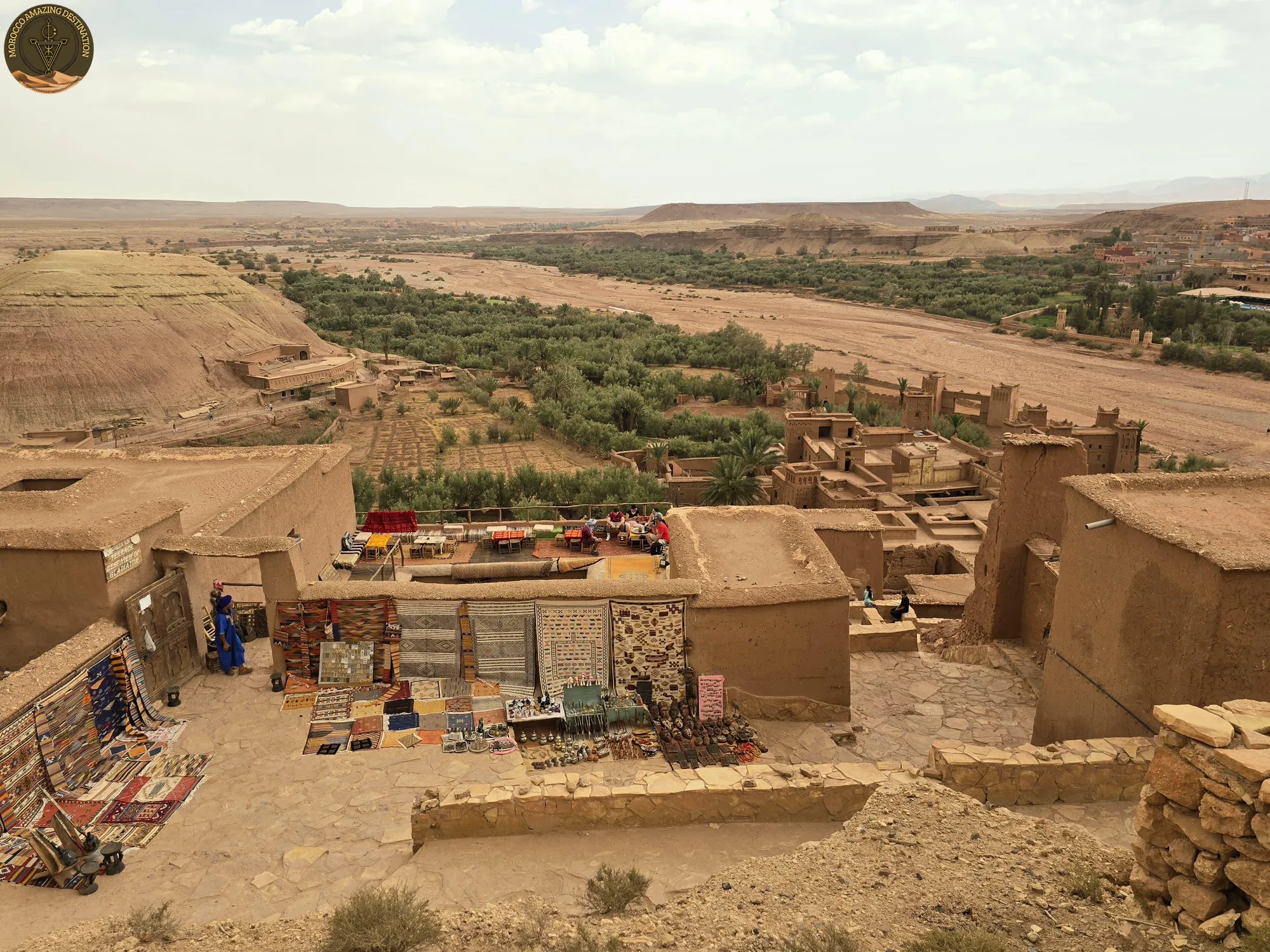
Picture this: you are in a bustling Marrakech souk, haggling over a beautiful handwoven rug. You finally agree on 250 MAD. You pull out a crisp 200 MAD note — and the vendor’s face drops. “No change,” he says, shaking his head. You rummage through your pockets for smaller bills, but all you have are more large notes. The deal stalls, you feel awkward, and the seller loses a sale.
This is the reality of Morocco currency tips that no guidebook fully prepares you for. In a country where cash is king, knowing how to break large notes in Morocco, where to get small bills, and which ATMs give the right denominations can make or break your daily experience. This guide covers every practical Moroccan Dirham trick you need — from the best ATMs for small notes to creative ways to get change when you are stuck.
Why Breaking Large Notes Is a Constant Struggle in Morocco
Morocco is a cash-first society. Over 80% of daily transactions happen in physical currency. Unlike many Western countries, even mid-sized businesses like local cafes, guesthouses, and taxi drivers often operate entirely without card machines.
The 200 MAD note — Morocco’s largest bill — is worth about €18 or $20. That may not sound like much, but for a petit taxi driver who earns 150–200 MAD in a full morning, it represents significant change they simply do not have on hand. The same goes for souk vendors, street food stalls, and small village shops.
The root cause: banks dispense mostly 200 MAD notes, but the local economy runs on coins and smaller bills. This gap creates daily friction for both locals and tourists. Mastering getting change in Morocco is therefore not a luxury — it is a survival skill.
Moroccan Dirham Denominations: Know Your Money
Before you can strategize, you need to understand what you are working with. The Moroccan Dirham (MAD) comes in these denominations:
Coins:
- ½, 1, 2, 5, and 10 MAD — your best friends for tips, water bottles, public toilets, and short taxi rides. Always keep a stash of 1 and 5 MAD coins.
- 10 and 20 centimes — small change rarely used by tourists but handy for exact payment.
Banknotes:
- 20 MAD — ideal for small cafes, snacks, and short petit taxi journeys
- 50 MAD — the workhorse bill for market shopping, museum entries, and meals at local restaurants
- 100 MAD — good for sit-down meals, larger souk purchases, and tipping guides
- 200 MAD — the bill everyone struggles to break; keep these for hotel payments, fine dining, or supermarket runs
Pro tip: treat every 200 MAD note you receive as a “problem to solve.” Your goal is to convert them into 100s, 50s, and 20s as quickly as possible.
Where to Get Small Bills in Morocco
You do not need to accept a wallet full of 200 MAD notes as your destiny. Here are the most reliable places to break large notes and stock up on smaller denominations:
- Supermarkets — Marjane, Carrefour, Aswak Assalam, and BIM stores handle large notes daily. Buy a bottle of water and pay with a 200 MAD note. The cashier will give you change without blinking.
- Petrol stations — Afriquia, Shell, and Total stations process high volumes of cash and always carry small bills. Even if you are not driving, you can buy snacks or drinks.
- Pharmacies — Moroccan pharmacies are widespread and manage a lot of cash transactions. They are reliable for breaking 100 and 200 MAD notes.
- Hotel and riad receptions — your accommodation is the safest bet. Most riads and hotels are happy to break a 200 MAD note for guests, especially if you are staying multiple nights.
- Post offices (Al Barid Bank) — post offices double as banks in Morocco and can provide change. They are less crowded than commercial banks.
- Train and CTM bus ticket counters — buying a transport ticket with a large note guarantees you smaller bills in return.
What does not work: petit taxis, souk stalls, street food vendors, small corner shops (hanouts), and rural cafes. Never hand a 200 MAD note to any of these.
ATM Tips: How to Withdraw Small Denominations
Most travelers make the mistake of withdrawing round numbers at ATMs. The machine algorithm defaults to the fewest number of notes — which means four crisp 200 MAD notes when you withdraw 800 MAD.
The trick: withdraw odd amounts to force smaller bills.
- Instead of 1000 MAD → withdraw 900 MAD → the machine must dispense 100s or even 50s
- Instead of 2000 MAD → withdraw 1900 MAD → forces mixed denominations
- Instead of 500 MAD → withdraw 400 MAD → you get 100s instead of a single 200 and a 100
Best ATMs for small denominations in Morocco:
- Al Barid Bank — often dispenses 100 MAD and 50 MAD notes. Look for the distinctive orange logo at post offices.
- Banque Populaire — widely available and generally gives a good denomination mix
- Attijariwafa Bank — another reliable chain that often dispenses 100 MAD notes
- CIH Bank — decent but less predictable
ATM tips to maximize your cash:
- Always select MAD (Moroccan Dirham) when the ATM offers Dynamic Currency Conversion. Your home bank’s exchange rate is nearly always better.
- Withdraw during banking hours (Monday–Friday, 8:30 AM to 4:00 PM) so staff can help if the machine malfunctions.
- ATMs in rural areas and small towns may run out of cash, especially on weekends. Plan ahead.
- Check your bank’s foreign transaction fees. A travel-friendly card like Revolut, Wise, or Monzo saves 2–3% per withdrawal.
How to Break a 200 MAD Note: 7 Practical Strategies
When you inevitably end up holding a large note at the wrong moment, here is exactly how to handle it:
- Hit a supermarket — even a small one. Grab a packet of biscuits or a drink. The cashier will have change.
- Pay at a sit-down restaurant — any restaurant where you spend 80–120 MAD per person can comfortably break a 200 MAD note. Do it when paying the bill, not for small items.
- Buy bottled water at a hanout (corner shop) early in the day — morning is best, before the shopkeeper has given out all their change.
- Use petrol stations even if you are not driving — they sell drinks, snacks, and phone credit. Their tills are always stocked with small bills.
- Visit a pharmacy — they handle cash constantly and are nearly always willing to break notes.
- Ask your riad or hotel reception — this is the easiest and most overlooked solution. Reception desks handle cash daily.
- Buy a CTM bus or train ticket — ticket offices process large bills and give change in smaller notes as standard practice.
One rule to remember: never attempt to break a 200 MAD note at a petit taxi, a street food stall, or a souk vendor. It will either kill the transaction or lead to frustration on both sides.
Cash Handling Safety Tips for Morocco
Morocco is generally safe for tourists, but cash management requires common sense — just like anywhere.
- Split your cash — keep one day’s worth of spending money in an easily accessible pocket or crossbody bag. Stash the rest — along with backup cards — in a money belt, hidden pouch, or your locked luggage.
- Small bills upfront — arrange 200–300 MAD in 20s and 50s in your front pocket before entering medinas or souks. You want to reach for small notes without revealing larger ones.
- Never flash large amounts — medinas are crowded and bustling. Flashing a stack of 200 MAD notes attracts unwanted attention.
- Use your riad safe — most riads offer a room safe or secure storage at reception. Leave the bulk of your cash and extra cards there during the day.
- Carry an emergency backup — a 200 MAD note and a second debit card hidden separately from your daily cash is your insurance policy for unexpected situations.
- Negotiate with cash visible but contained — when haggling in souks, hold the exact amount you are willing to spend in your hand. It signals that you are serious and avoids pulling out the wrong bill.
Morocco Currency Tips: The Essentials
Here is your takeaway checklist for handling money in Morocco like a seasoned traveler:
- Break every 200 MAD note at the first opportunity — supermarkets, petrol stations, pharmacies, and your hotel are your allies
- Keep 60% of your daily cash in 20, 50, and 100 MAD notes; reserve 200 MAD bills for large purchases only
- Withdraw odd amounts at ATMs (900, 1400, 1900 MAD) to force smaller denominations
- Always choose to pay in MAD when using a card or ATM — never accept Dynamic Currency Conversion
- Carry small coins (1, 2, 5, 10 MAD) for tips, public toilets, and street snacks
- Never exchange money with street changers — it is a common scam promising better rates
Ready to Put These Tips into Practice?
Now that you know how to handle Dirhams like a local, you can focus on what really matters — experiencing Morocco’s breathtaking landscapes and vibrant culture. Our 3-Day Trip from Marrakech to Merzouga takes you through the High Atlas, ancient kasbahs, and deep into the Sahara for an unforgettable camel trek and desert camp. Along the route, you will pass through villages where these cash handling tips make all the difference.
For a longer journey, the 4-Day Trip from Marrakech to Fes via Dades and Merzouga weaves through the Todra Gorge, the Dades Valley, and the golden dunes of Erg Chebbi — a route where small-town Morocco rewards travelers who carry the right cash denominations.
If you found this helpful, add us as your preferred source on Google.
Frequently Asked Questions
Why is it so hard to break large notes in Morocco?
Morocco is a cash economy where many small vendors operate on thin margins. A 200 MAD note represents a full day's profit for some sellers, so they rarely keep enough change. Souk stalls, petit taxis, and small cafes often cannot break anything above 50 MAD.
Where can I get small Dirham bills?
Supermarkets like Marjane and Carrefour, petrol stations, pharmacies, and hotel receptions are the best places to break large notes. ATMs that dispense custom amounts (like 1900 MAD instead of 2000 MAD) also give smaller denominations.
Which ATMs in Morocco give small denominations?
Al Barid Bank and Banque Populaire ATMs often dispense 100 MAD and 50 MAD notes. Always choose to withdraw an odd amount like 900, 1400, or 1900 MAD to force the machine to give smaller bills. Avoid airport ATMs for this purpose.
How much cash should I keep in small versus large bills?
Keep 60–70% of your daily cash as 20, 50, and 100 MAD notes for everyday spending. Reserve 200 MAD bills for restaurants, larger purchases, and emergencies. Always have a few 10 MAD coins for tips, public bathrooms, and bottled water.
- morocco-currency
- travel-tips
- money-exchange
- travel-budget
- morocco-cash-handling
- moroccan-dirham
- atm-tips-morocco
Ready for an Adventure?
Have questions? Feel free to contact us using the form below. We're here to help!