· Travel · 9 min read
Where to Shop in Morocco: A Complete City-by-City Shopping Guide
Discover where to shop in Morocco with this city-by-city guide. From Marrakech souks and Fez tanneries to Essaouira's thuya wood workshops, find the best markets and artisan crafts in every Moroccan city.
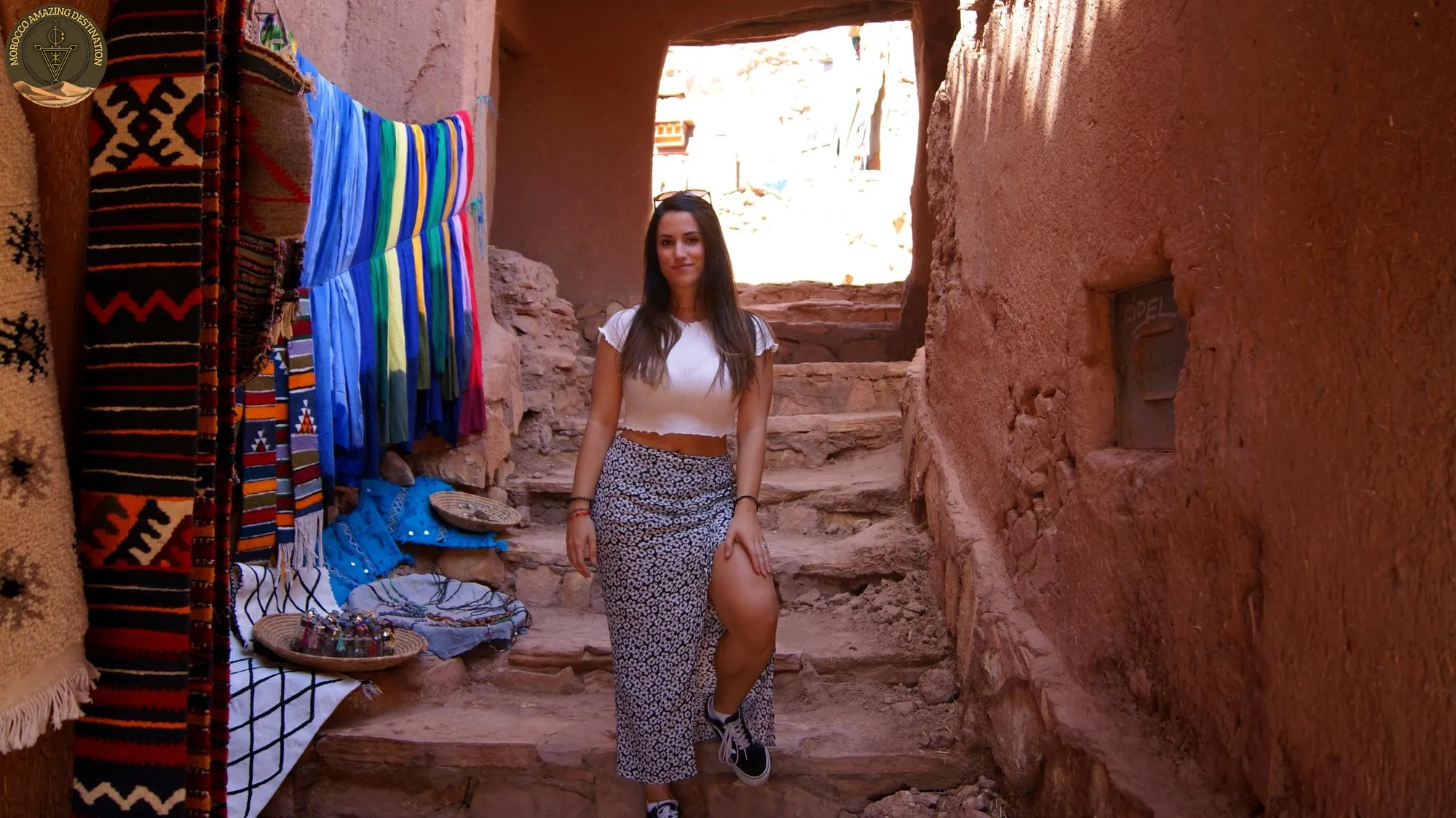
Figuring out where to shop in Morocco is the key to bringing home the best souvenirs. Every city in this North African kingdom has its own craft traditions, unique products, and distinctive market atmosphere. Knowing which city excels at what can save you money, help you find higher quality items, and turn your shopping trips into meaningful cultural experiences.
This Morocco city shopping guide walks you through the best cities for shopping, what to buy in each one, where the best markets are, and how to plan a multi-city shopping route.
Marrakech — The Ultimate Shopping Destination
Marrakech is Morocco’s undisputed shopping capital. The medina houses one of the largest and most labyrinthine souk systems in North Africa, where you can find almost anything — from hand-tooled leather bags to towering brass lanterns.
What to Buy in Marrakech
Marrakech is the best city for variety. If you only visit one city for shopping, make it this one.
- Lanterns and metalwork: Marrakech souks overflow with brass, iron, and stained-glass lanterns in every size and shape. The metalworkers’ quarter near Souk Haddadine is the place to go.
- Spices and herbs: The Rahba Kedima spice square is an aromatic assault on the senses. Buy Ras el Hanout, cumin, saffron, dried rose petals, and traditional herbal remedies.
- Leather goods: While Fez is the leather production capital, Marrakech has the widest selection of finished products, from babouche slippers to handbags and poufs.
- Textiles and kaftans: Vibrant silk scarves, embroidered kaftans, and cotton tunics are everywhere in the Marrakech souks.
Best Souks and Markets in Marrakech
- Souk Semmarine: The main artery of the Marrakech souks and the best starting point for any shopping expedition. Lined with textile shops, clothing stores, and lantern sellers.
- Rahba Kedima: The spice square, surrounded by apothecary stalls and basket weavers.
- Souk des Teinturiers: The dyers’ souk, where you can watch fabrics being dyed and buy fresh silk and wool.
- Souk Cherratin: The leatherworkers’ quarter, filled with handbags, belts, and babouches.
- Souk Haddadine: The blacksmiths’ area, best for lanterns, lamps, and ironwork.
Shopping tip: Marrakech has the highest tourist footfall, so starting prices tend to be inflated. Bargain hard — aim for 40-50% of the initial asking price — and compare prices between sellers before committing.
Fez — The Artisan Capital
If Marrakech is the shopping mall of Morocco, Fez is the factory floor. This is where many of the country’s finest crafts are made, often using techniques handed down through generations for over a thousand years.
What to Buy in Fez
- Leather goods: Fez is home to the iconic Chouara Tannery and two other historic tanneries. The leather here is tanned using ancient methods with natural dyes. Buy babouches, jackets, bags, and wallets directly where they are made.
- Blue pottery: Fez blue ceramics, with their distinctive cobalt designs on white backgrounds, are unlike pottery found anywhere else in Morocco. Each piece is hand-painted and fired using traditional methods.
- Zellige tiles: Intricate geometric mosaic tiles made from individually cut pieces of glazed clay. You can buy small zellige items like tabletops and fountains.
- Copper and brass: The Seffarine Square is the coppersmiths’ quarter, where artisans hammer and engrave trays, teapots, and decorative plates.
Best Shopping Areas in Fez
- Chouara Tannery: The most famous tannery in Morocco. Visit the surrounding leather shops where you can buy directly from tanners — prices are often lower than in the medina proper.
- Place Seffarine: The coppersmiths’ square, filled with the sound of hammering metal and shops selling gleaming copper and brass goods.
- Talaa Kebira: The main thoroughfare of Fes el-Bali, lined with shops selling ceramics, textiles, and leather.
- Ain Nokbi: The pottery district outside the medina walls, where you can watch potters at work and buy directly from the kilns.
Shopping tip: Fez prices are generally lower than Marrakech for the same quality, especially for leather and ceramics. Many workshops offer shipping services for large purchases like zellige tables.
Essaouira — The Coastal Artisan Haven
Essaouira’s relaxed coastal vibe extends to its shopping. The medina is compact, walkable, and far less aggressive than Marrakech or Fez, making it ideal for browsing at your own pace.
What to Buy in Essaouira
- Thuya wood crafts: Essaouira is the world capital of thuya wood, a fragrant burled wood from an endemic Moroccan tree. Artisans carve it into jewelry boxes, chess sets, furniture, and decorative items. The wood has a warm, cedar-like scent that lasts for years.
- Argan oil: The Essaouira region is the heart of argan oil country. Buy pure cosmetic or culinary argan oil from women’s cooperatives where you can watch the extraction process.
- Silver jewelry: Essaouira has a long tradition of silversmithing. Berber and Tuareg-style silver pendants, earrings, and bracelets are excellent value here.
- Local art: Essaouira’s white-and-blue medina is home to numerous art galleries featuring paintings, sculptures, and photography by local and international artists.
Best Places to Shop in Essaouira
- Rue Mohammed el-Qory: The main shopping street running through the center of the medina, lined with thuya wood workshops and boutiques.
- Souk Jdid: The grain market converted into artisan shops selling jewelry, leather, and ceramics.
- Moulay Hassan Square: Surrounded by galleries and carpet shops with views of the port.
- Argan cooperatives: Located just outside town along the road to Marrakech — worth a short taxi ride for the best prices and authenticity.
Shopping tip: Thuya wood quality varies enormously. Look for tight, intricate burl patterns and a strong natural fragrance. Avoid pieces with large knots or excessive varnish.
Chefchaouen — The Blue City’s Unique Crafts
Chefchaouen may be famous for its blue-painted walls, but it also has one of the most distinctive craft traditions in Morocco. Nestled high in the Rif Mountains, the city’s artisans produce goods you will not find anywhere else.
What to Buy in Chefchaouen
- Woven wool blankets: Thick, warm blankets woven from locally sourced wool, often in white, cream, and natural tones with colorful striped patterns. These are a Chefchaouen specialty.
- Handmade scarves and shawls: Soft, handwoven scarves in wool and cotton, dyed in the vivid colors the Blue City is famous for.
- Rif mountain honey: Wild honey collected from the surrounding mountains, sold in the medina and at roadside stalls. Flavors range from thyme to lavender depending on where the bees forage.
- Local hemp and woven products: The Rif region has a long history of hemp cultivation. While the sale of cannabis products is restricted, you will find shops selling high-quality hemp textiles, rope, and traditional woven items.
- Painted ceramics: Unlike the blue pottery of Fez, Chefchaouen ceramics often feature rustic, hand-painted patterns inspired by Andalusian designs.
Where to Shop in Chefchaouen
- Plaza Uta el-Hammam: The main square, ringed by artisan shops and carpet sellers. A relaxed place to browse in the shade of the Grand Mosque.
- Avenue Hassan II: The main street leading uphill from the medina gate, with textile shops and wool vendors.
- The medina alleyways: The narrow blue streets themselves are dotted with small family-run workshops selling directly to visitors.
Shopping tip: Chefchaouen is less tourist-saturated than Marrakech or Fez, so bargaining is more relaxed. Starting prices are often fairer, but you should still negotiate — especially on larger items like wool blankets.
Other Cities Worth Shopping In
Beyond the big four, several other Moroccan cities have unique shopping strengths worth seeking out.
- Safi — The Pottery Capital: The undisputed center of Moroccan ceramics. The Colline des Potiers (Potter’s Hill) is an entire neighborhood of kilns, workshops, and shops where you can buy tagines, plates, bowls, and decorative tiles at factory prices. Safi pottery is known for its durability and vibrant glazes.
- Meknes — Embroidery and Damascene Ironwork: Underrated for shopping, Meknes produces exquisite hand-embroidered textiles (especially cushion covers and tablecloths) and finely detailed damascene ironwork — black iron inlaid with silver or gold wire.
- Rabat — Modern Boutiques and Carpets: The capital offers a different shopping experience. The medina is compact and manageable, with excellent carpet shops. Outside the walls, Agdal and Souissi neighborhoods have contemporary boutiques blending Moroccan craftsmanship with modern design.
- Tangier — International Mix: Tangier’s history as an international zone means its markets offer eclectic goods — from Moroccan carpets and leather to Spanish ceramics and sub-Saharan African art.
Smart Tips for Shopping Across Morocco
Shopping across multiple cities requires some planning. Here are practical tips for a smooth multi-city shopping experience.
- Pack light, leave room: Bring an empty foldable bag or small suitcase in your luggage. You will need the extra space for purchases.
- Ship from Fez and Marrakech: Both cities have reliable international shipping services. Many carpet and ceramics dealers include shipping in the price or offer it at competitive rates through DHL or La Poste Maroc.
- Know the production cities: If you are visiting both Fez (production) and Marrakech (retail), buy leather and ceramics in Fez at lower prices. Buy finished fashion items and home decor in Marrakech where the selection is widest.
- Compare before buying: Prices for similar items can vary significantly between cities. A wool blanket might cost less in Chefchaouen than in Marrakech, but a brass lantern might be cheaper in Marrakech where competition is higher.
- Carry cash: Most artisan workshops and souk stalls do not accept credit cards. Carry sufficient Moroccan dirhams, especially when visiting smaller cities like Chefchaouen or Safi.
- Ask about production: The best purchases come with a story. Ask sellers where and how an item was made. Genuine artisans are proud of their work and happy to explain the process.
Morocco is a shopper’s paradise precisely because every city offers something different. Marrakech gives you overwhelming variety and spectacle. Fez connects you directly to centuries-old artisan traditions. Essaouira offers relaxed browsing and unique woodcrafts. Chefchaouen provides mountain-made textiles you cannot find elsewhere. Together, they form a shopping circuit that rewards travelers who explore beyond a single destination.
Whether you are hunting for a handwoven Berber rug, a pair of babouche slippers, or a bottle of golden argan oil, the key is knowing which city to visit for each treasure. Plan your route around the crafts that interest you most, and you will return home with more than souvenirs — you will bring back pieces of Morocco’s living cultural heritage.
Discover Morocco’s Artisan Cities on a Guided Tour
The best way to experience Morocco’s craft cities is on a multi-day tour that connects the major artisan hubs while revealing the stunning landscapes between them.
4-Day Trip from Marrakech to Fes — Journey through the High Atlas Mountains, visit the ancient kasbah of Ait Benhaddou, cross the Sahara dunes at Merzouga, and arrive in Fez ready to explore its legendary tanneries and souks. View the 4-day Marrakech to Fez tour →
7-Day Morocco Tour from Fez — A comprehensive week-long journey covering Fez’s medina and tanneries, the Sahara Desert, the imperial city of Meknes, and the blue streets of Chefchaouen — four of Morocco’s best artisan destinations in one trip. Explore the 7-day Fez tour →
If you found this helpful, add us as your preferred source on Google.
Frequently Asked Questions
Which Moroccan city is best for shopping?
Marrakech is the best all-around shopping destination in Morocco, with the largest and most diverse souks. However, Fez is superior for leather goods and ceramics, Essaouira is unmatched for thuya wood and argan oil, and Chefchaouen offers the finest handmade wool blankets and woven textiles. Each city has its own specialty, and serious shoppers often visit multiple cities for the best selection.
Is it cheaper to shop in Fez or Marrakech?
Fez is generally cheaper than Marrakech for most handmade goods, particularly leather products and pottery. Since Fez is a major production center and sees fewer tourists than Marrakech, artisans often offer lower starting prices. However, Marrakech has more competition among sellers, which can work in your favor if you are a skilled negotiator.
What is unique to each Moroccan city for souvenirs?
Marrakech is known for lanterns, spices, and modern leather goods. Fez is famous for blue pottery, zellige tiles, and traditional leather from its ancient tanneries. Essaouira specializes in thuya wood crafts, argan oil, and silver jewelry. Chefchaouen is the place for woven wool blankets, handmade scarves, and local hemp-based products. Safi is Morocco's pottery capital, and Meknes is known for intricate embroidery and damascene ironwork.
Can I visit multiple Moroccan cities just for shopping?
Absolutely. Many travelers plan multi-city itineraries specifically around shopping. A popular route is Marrakech to Fez, stopping at artisan workshops along the way. Tours lasting 4 to 7 days connect the key artisan cities and give you time to explore markets at a relaxed pace while also experiencing Morocco's stunning landscapes.
- morocco-city-shopping-guide
- what-to-buy-in-morocco
- morocco-shopping-guide
- best-markets-morocco
- morocco
- shopping
- souk
- marrakech
- fes
- essaouira
- chefchaouen
- travel-guide
- moroccan-handicrafts
Ready for an Adventure?
Have questions? Feel free to contact us using the form below. We're here to help!