
· Culture · 5 min read
Moroccan Storytelling: Where to Hear Hikayat Live Today
Where Moroccan storytelling still happens: when the hikayat circles form, which language tellers use, and how to listen without intruding.
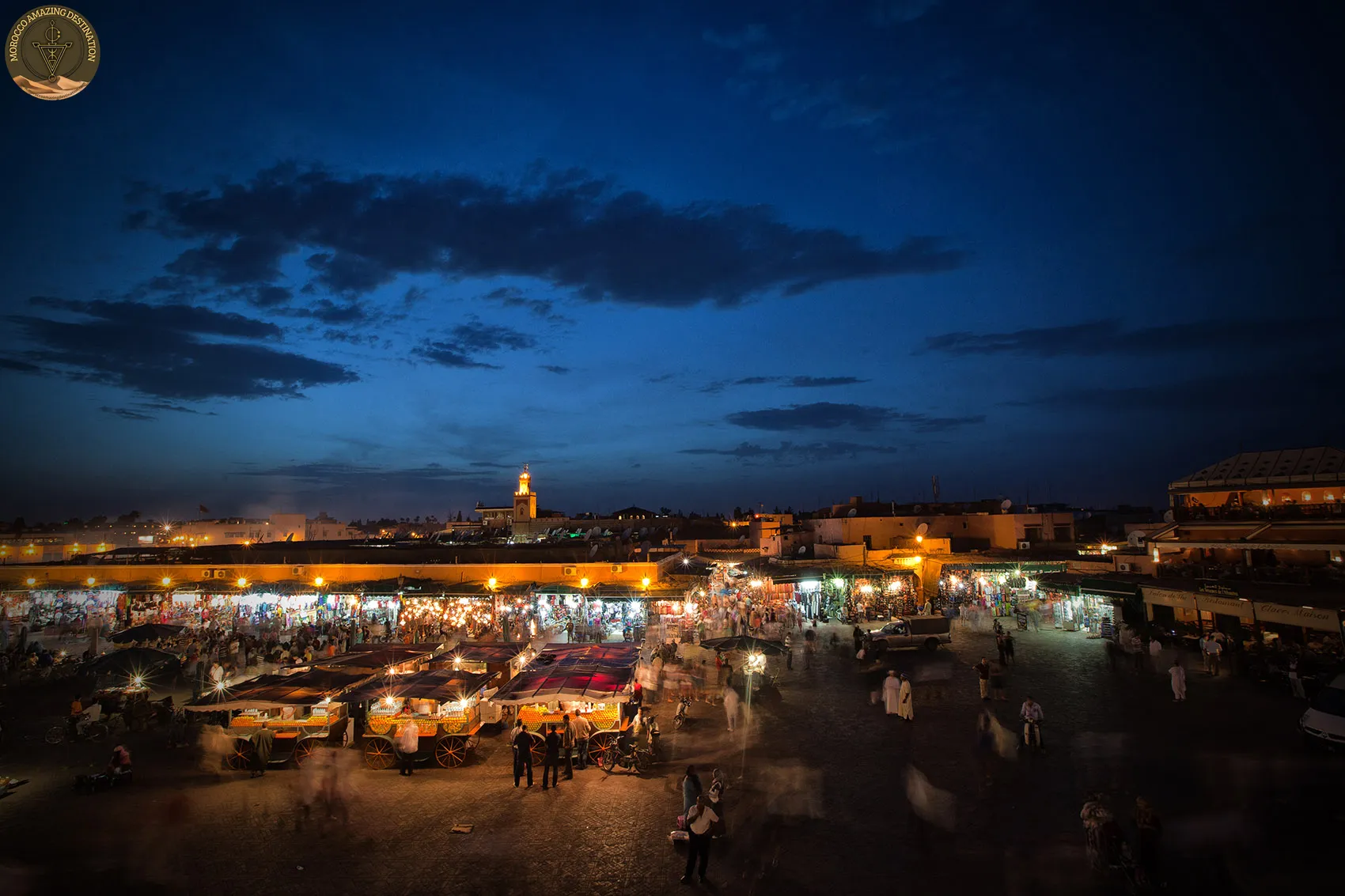
A ring of listeners closes in Jemaa el-Fnaa, a voice starts in Darija, and half an hour later the crowd has moved on. Moroccan storytelling has always worked like that, with no stage and no ticket. The tales are hikayat, and the person holding the ring is a hakawati. You can still find both, and the hour you choose decides what you get.
This guide explains where the tradition still lives, what the words mean, and how to listen without turning a performance into a photo stop.
Hikayat, Hakawati, Halqa: The Words That Open the Circle
The vocabulary explains most of what you will see. Moroccan folktales rarely arrive as a fixed script. A teller learns the shape of a story, then reshapes it for whoever stands in the ring that evening.
Words worth knowing:
- Hikayat: the tales themselves, carried in memory rather than printed on a page.
- Hakawati: the teller, called hlayki in everyday Darija.
- Halqa: the circle of listeners, one word for both the crowd and the art.
Stories carried medicine, moral instruction and family history in a country where reading was never universal. Two strands run alongside each other: the public square performance and the quieter telling at home by mothers and grandmothers. Younger women now tell in public, and Amazigh tellers work in Tashelhit, Tamazight and Tarifit.
Tellers learn from other tellers, and a good evening depends on the crowd as much as on the story. The practice is roughly a thousand years old.
Jemaa el-Fnaa and the Medina: Where the Circle Still Holds
Marrakech is the easiest place to catch the tradition, and the square is a late-afternoon affair. A patch of paving clears, a ring forms, and the story starts. It breaks, reforms somewhere else, and by dusk food stalls and amplified musicians take the space.
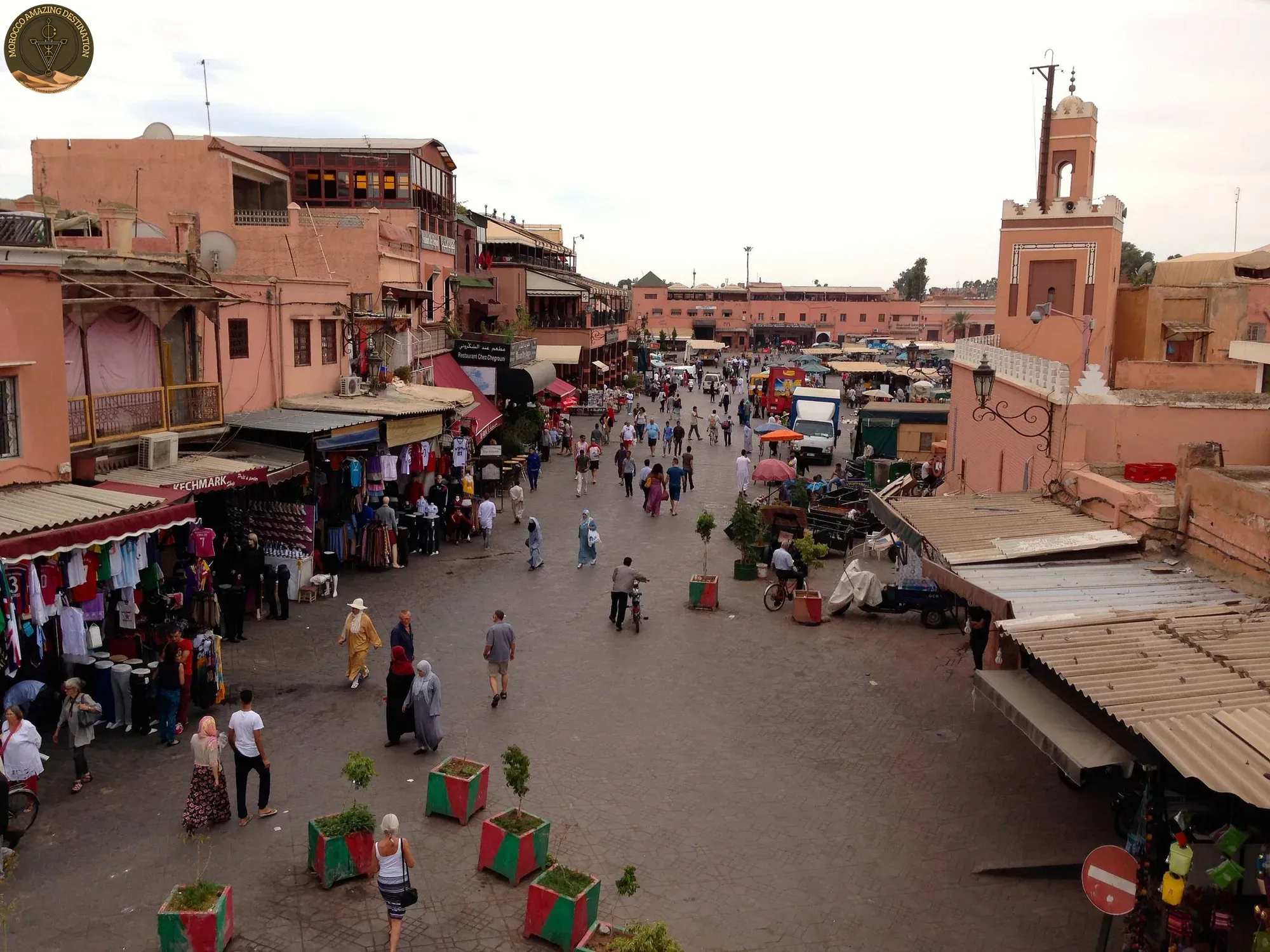
Jemaa el-Fnaa storytellers work without a schedule. Some evenings bring two or three circles, others bring none. Indoor venues cover the gap: cafés and riads around the medina host telling on some evenings, so ask at your accommodation. The museum of intangible heritage on the square explains the halqa before you meet one.
UNESCO recognised the square as a Masterpiece of the Oral and Intangible Heritage of Humanity, then added it to the Representative List. Two festivals mark the calendar. The National Festival of Popular Arts runs each July, and a winter international storytelling festival brings tellers who work in several languages. Our guide to Jemaa el-Fnaa in Marrakech covers the square’s day-to-night rhythm.
Fes and Bab Boujloud: The Northern Storytelling Trail
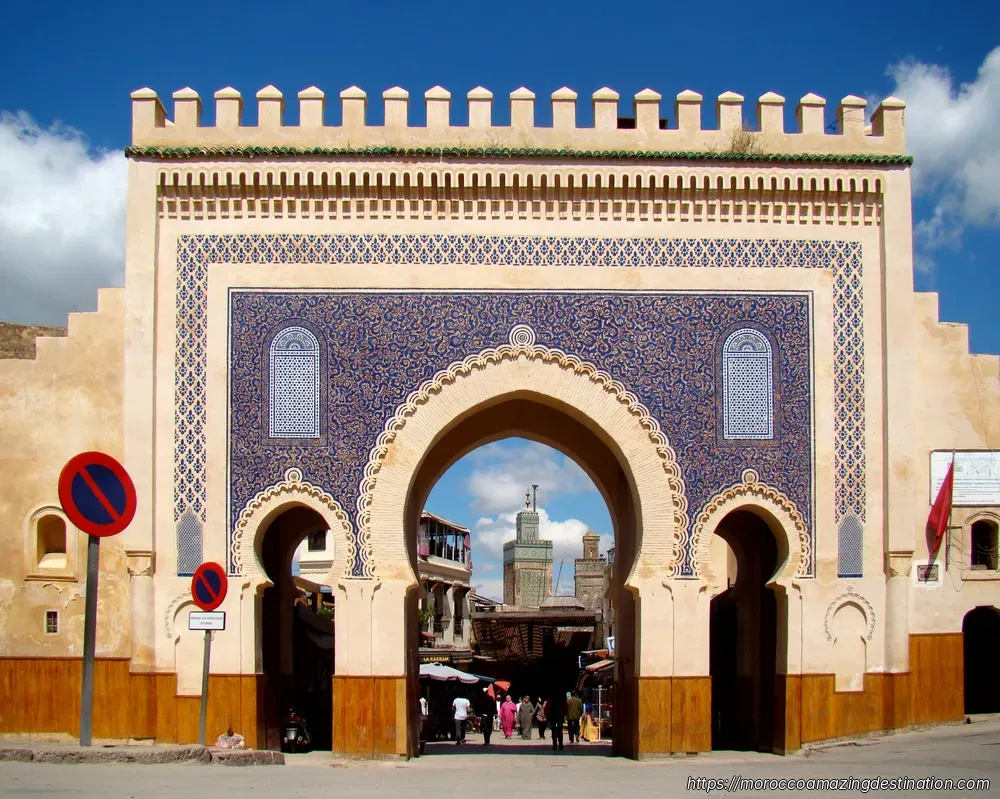
Fes was the other capital of the craft. Its historic halqa grounds include Bab Boujloud and Bab Ftouh, and the same trade turned up in the El-Hedim square in Meknes. Telling here is patchier than in Marrakech, less nightly, often tied to a festival or a busy evening. The gate is a working entrance to the medina, so the crowd is never there only for the story.
North of Chefchaouen the tradition is documented rather than programmed. Researchers have collected tale repertoires in the local Arabic, and sung poetry survives mainly at weddings and festivals, carried by women. In the Rif the verse form is called izran. In the Jbala hills the form is ayta jabaliya, sung rather than spoken.
Treat the north as background you can count on, with no show to book. A circle can still form at Bab Boujloud while you are walking through, and it is worth stopping for.
When Stories Happen: Timing, Language and Etiquette
Timing decides most of the evening. Circles gather from mid-afternoon, often after the late-afternoon prayer, and thin out at dusk. Evening telling moves indoors, where twenty people in a room can still hear a quiet voice. Give the square your afternoon and a café or riad your evening.
Language is the real barrier. Most tellers work in Darija, with Amazigh and classical Arabic also common. A foreign face in the ring often earns a short summary at the end, and festival sets are built to cross languages. If following the tale matters more than the atmosphere, a guide who translates in real time changes the evening.
A few habits keep the circle intact:
- Stand at the edge: the ring is the stage, and pushing through breaks it.
- Tip at the end: watching is free, and the teller lives on what comes round afterwards.
- Ask before filming: take a no without arguing, and never record a full tale from inside the circle.
- Expect interruptions: a story can restart or stop for a better crowd, and that is the form working.
Desert Nights and Private Guides: Stories With Context
The tradition also lives outside the cities. On desert itineraries the telling comes after dinner, when the plates are cleared and everyone is on cushions around a fire. Amazigh families tell in Tamazight, and someone turns it into a language you can follow.
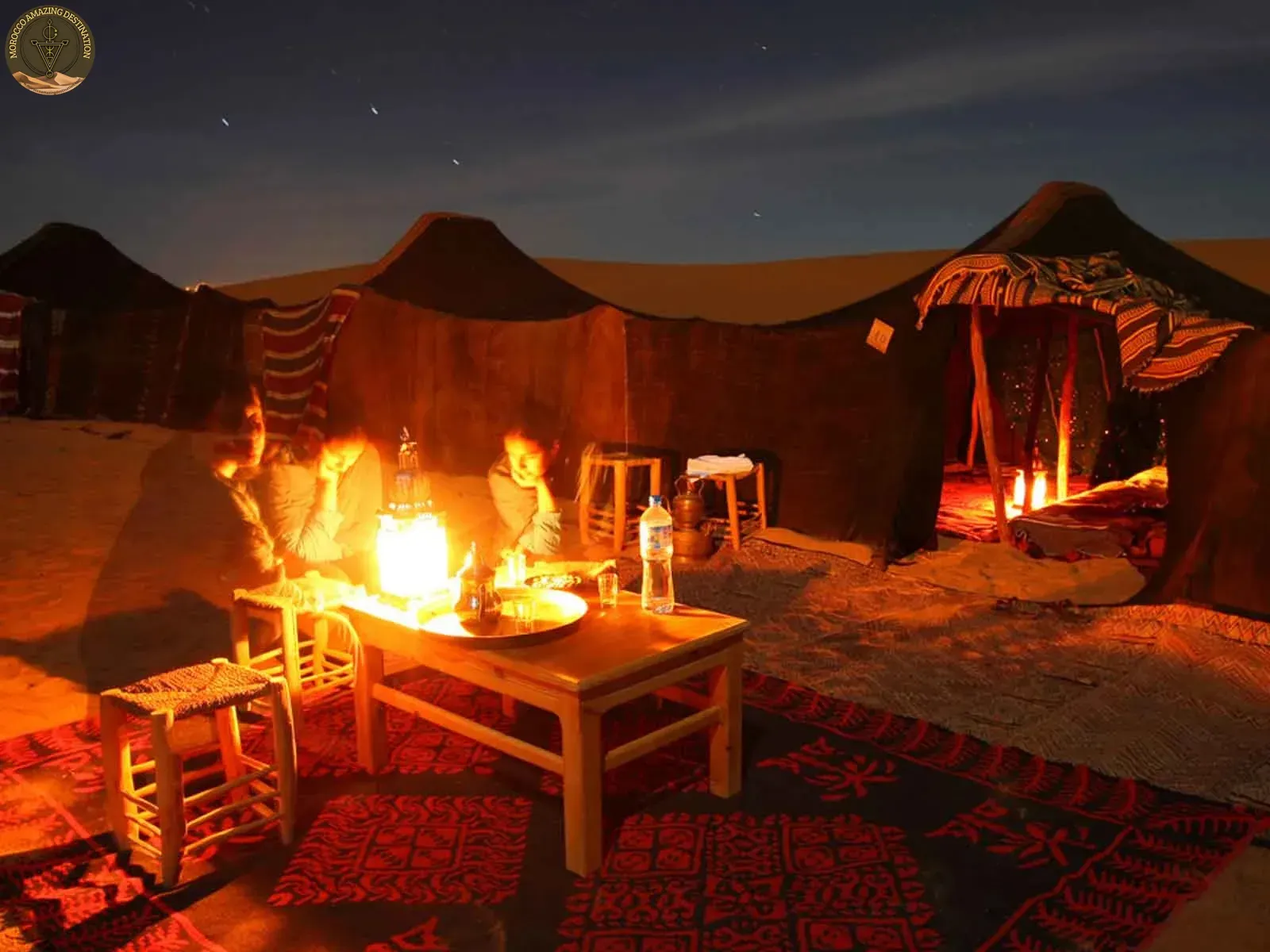
A private guide earns the fee here: translation in the moment, the background a tale assumes, and an introduction that lets a teller relax. Guides also know which nights the square is worth the detour, and which nights it is not. Ask a guide to set that up instead of booking a show, and the evening usually improves.
Our 9 Days Morocco Tour from Marrakesh spends time in Marrakech, Fes and the south with a driver-guide throughout. For the campfire version, the 4-Day Morocco Desert Tour from Marrakech adds a Gnawa night in Khamlia, a nomad family visit and a night in the desert.
We can customize a tour to match your needs - design your perfect itinerary
If you found this helpful, add us as your preferred source on Google.
Frequently Asked Questions
What is hikayat?
Hikayat is Morocco's oral storytelling tradition, a body of tales memorised and told aloud rather than read from a book. Tellers learn the stories by ear and reshape each telling for the people standing in front of them.
Can you still see storytellers at Jemaa el-Fnaa?
Yes, circles still form in the square, mostly from mid-afternoon until dusk, though not every night and with no announced schedule. Some evenings bring two or three circles and others bring none, so build a second attempt into your trip.
What time should I go, and what language will it be in?
Arrive in the mid to late afternoon and stay until the food stalls take over the square at dusk. Most telling is in Darija, with Amazigh and classical Arabic also common, so a guide or a festival set is the easiest route if you do not speak those languages.
Should I tip, and can I film?
Telling in the square is free at the point of performance and the teller lives on donations, so small notes at the end are the norm. Ask before filming, accept a no, and never record a full tale from inside the circle.
Ready for an Adventure?
Have questions? Feel free to contact us using the form below. We're here to help!