· Travel · 10 min read
Mary Film Morocco Filming Locations: Where It Was Shot Guide
Discover Mary film Morocco filming locations — Atlas Studios, Ouarzazate, Ait Benhaddou and Chefchaouen. Plan your movie-inspired trip.
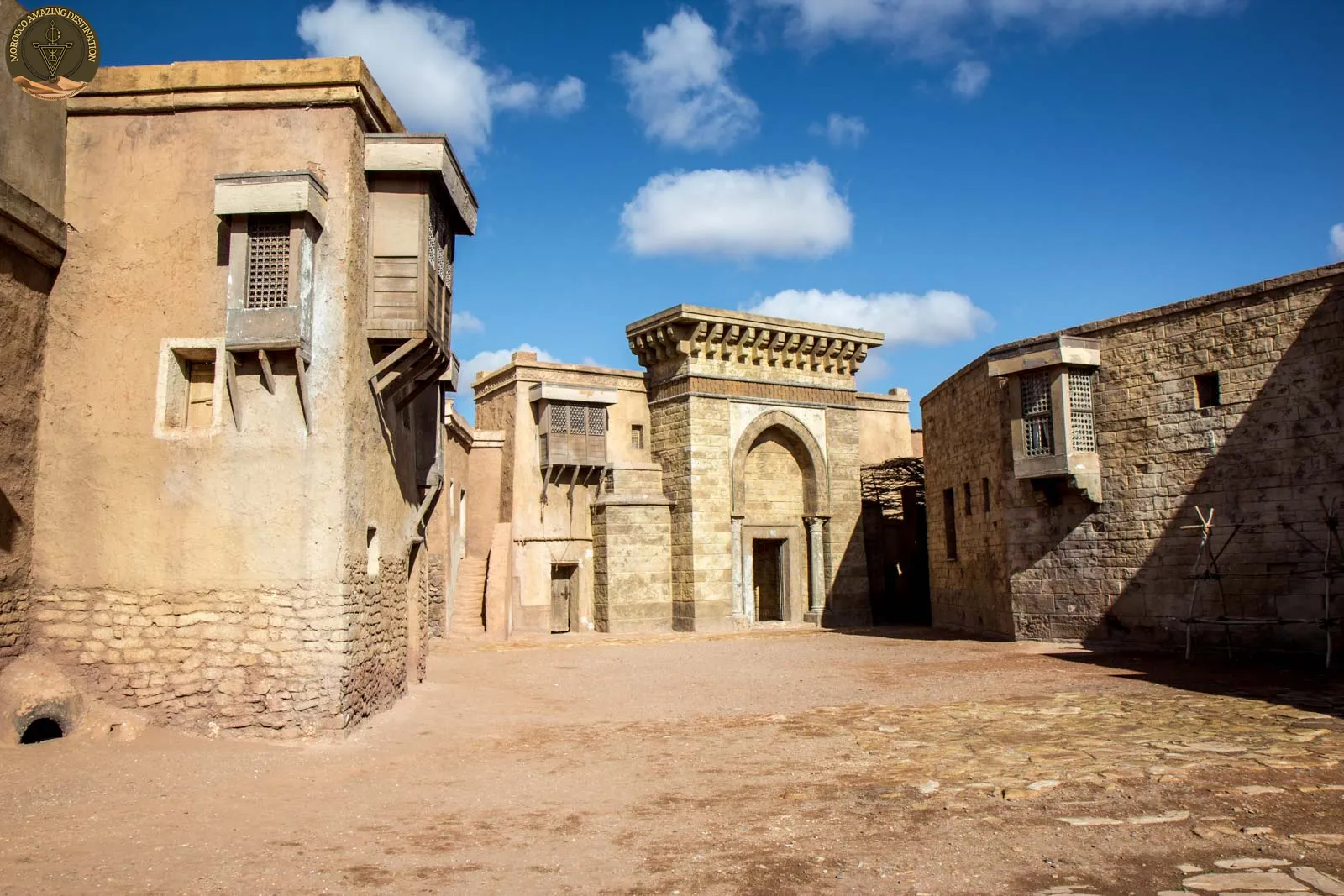
Imagine standing where a biblical epic came to life — wind over desert stone, a kasbah gate framing the horizon, a blue alley turning into Bethlehem. The Mary film Morocco filming locations make that possible. Shot entirely in Morocco with Ouarzazate as its base, D.J. Caruso’s Netflix biblical drama uses real landscapes instead of green screens, from sprawling deserts to ancient villages. This guide shows you exactly where the cameras rolled and how to walk the same ground hassle-free.
What Is Mary?
Mary is a Netflix epic biblical drama directed by D.J. Caruso and written by Timothy Michael Hayes. It follows Mary’s childhood in Nazareth to the birth of Jesus and the flight into Egypt, starring Noa Cohen as Mary, Ido Tako as Joseph and Anthony Hopkins as King Herod, with Ori Pfeffer, Hilla Vidor and Dudley O’Shaughnessy in support. According to press notes cited by Decider, Caruso said the crew traveled across the country to capture sprawling deserts and ancient, abandoned villages, which anchors the film’s grounded, location-first look.
Where Was Mary Filmed?
Where was Mary filmed entirely on location in Morocco, with the Ouarzazate region as its operational base. The production used Atlas Studios for palace and Jerusalem interiors, the town’s kasbahs and nearby UNESCO-listed ksar for village texture, vast untouched desert around Ouarzazate for the flight into Egypt, and the blue city of Chefchaouen in the north to portray Bethlehem, shaping a compact but visually rich circuit you can visit by private vehicle.
The choice was practical as well as aesthetic. Morocco offers reliable light, varied topography within short transfers, and crews experienced in large biblical productions. The Ouarzazate area in particular lets a single base serve studio sets, fortified villages and open desert without moving the entire production across borders.
- Base: Ouarzazate, often called Ouarzawood or the Hollywood of Africa
- Studio anchor: Atlas Studios just west of town
- Village texture: Ait Benhaddou and Taourirt Kasbah
- Desert: Open landscapes around Ouarzazate for Egyptian flight scenes
- North: Chefchaouen for Bethlehem
Mary Movie Atlas Studios: Inside Africa’s Hollywood
Mary movie Atlas Studios provided the film’s largest controlled environment, including the adaptation of King Herod’s palace and Jerusalem streets. The studio lies about 5km west of Ouarzazate and lets directors dress massive exterior sets while keeping interiors and workshops close at hand, which reduces transit time and keeps the look consistent across palace, temple and street scenes.
Atlas Studios is often described as one of the largest studios in the world by area, a superlative that varies by measurement and should be taken as reported rather than absolute.
Atlas Studios in numbers: Founded in 1983, covering around 30,000 square meters about 5km west of Ouarzazate, with around 200+ international productions hosted over four decades and more than 300 days of sunshine cited for reliability. Sources: Wikipedia Atlas Studios, Business Insider and The Cinemaholic.
What Was Filmed Here for Mary
- King Herod’s palace and Jerusalem: The production re-dressed a large Jerusalem set originally built by Sir Ridley Scott for Kingdom of Heaven, then modified it for Herod’s world.
- Second Temple interiors: Shot in an old museum interior in Morocco, the exact building is unnamed in available sources, so guides will note it as a repurposed historic interior rather than a single named site.
- Workshops and backlots: Prop yards, set streets and soundstages support quick changes between Nazareth lanes and palace halls.
Visiting Atlas Studios Today
- Guided tours typically last around an hour and walk you through standing sets from multiple productions.
- Tickets and hours shift by season — commonly in a modest local range — so confirm locally before you go.
- Photography is usually allowed in exterior areas; interiors may have restrictions.
- Best time is morning or late afternoon for softer light on the desert-toned sets.
- Combine with nearby kasbahs to make the short transfer worthwhile.
A private driver helps here. You park once, tour the studio, and roll directly to Taourirt Kasbah without juggling taxis or waiting for shuttles.
Mary Ouarzazate Filming Locations: Desert Gateway and Kasbahs
Mary Ouarzazate filming locations extend beyond the studio gates into the town and its desert fringe. Ouarzazate is the gateway between the High Atlas and the Sahara, sitting roughly 200km from Marrakech via the Tizi n’Tichka pass, a drive of several hours that is best handled by a private air-conditioned vehicle with a driver who knows the mountain viewpoints and rest stops.
Taourirt Kasbah
Taourirt Kasbah stands on Avenue Mohammed V at the edge of town. Built in the 17th century by Amazigh leaders, its rammed-earth walls, geometric gateways and maze of lanes provided textured backdrops for village and travel scenes. It is not a UNESCO site — only nearby Ait Benhaddou holds that designation — but it offers easier access and quieter alleys for walking.
- What to look for: Carved doors, internal courtyards, rooftop views over the palm oasis and the Atlas foothills.
- Visitor tip: Go early to avoid crowds, wear comfortable shoes for uneven steps, and allow about an hour with a local guide who can explain the kasbah’s family history.
Desert Landscapes Around Ouarzazate
The film’s flight into Egypt and other open-country passages were shot in vast, untouched desert landscapes around Ouarzazate. These are not dunes like Erg Chebbi but stony hamada and dry riverbeds that read as timeless wilderness on camera. The openness gives the story its sense of exposure and scale, while remaining close enough to base for crew logistics.
Ait Benhaddou
The ksar of Ait Benhaddou is the area’s most iconic village and a UNESCO World Heritage site of Ait Benhaddou. Its stacked earthen houses, defensive walls and hilltop granary have appeared in many productions. For Mary, it supplied authentic village lanes and distant skyline texture without needing full builds.
- Experience: Walk the lower lanes, cross the riverbed, climb to the agadir for panoramic views, and pause for tea with a local family on the way down.
- Note: It remains a living community. Visit respectfully, stay on marked paths, and consider a local guide to navigate the best light and quiet corners.
| Location | What It Played in Mary | What It Is in Real Life | Visitor Tip |
|---|---|---|---|
| Atlas Studios | Herod’s palace, Jerusalem streets, temple interiors | Working studio 5km west of Ouarzazate with standing sets | Take the 1-hour guided tour, confirm tickets locally |
| Taourirt Kasbah | Village lanes, travel passages | 17th-century Amazigh kasbah on Avenue Mohammed V, not UNESCO | Visit early, allow an hour, rooftop views at sunset |
| Ait Benhaddou | Village texture and skyline | UNESCO World Heritage site of Ait Benhaddou, earthen ksar | Cross the riverbed on foot, climb to the granary |
| Sahara fringe around Ouarzazate | Flight into Egypt, desert exteriors | Stony desert and dry valleys near town | Go with a private driver, bring sun cover and water |
| Chefchaouen | Bethlehem | Blue-washed medina in the Rif mountains | Wander early morning alleys for soft light and quiet |
| Ridley Scott Jerusalem set | Jerusalem | Large standing set re-dressed for the film | Seen within Atlas Studios tour circuit |
Mary Netflix Chefchaouen Bethlehem Filming Location: Blue Becomes Bethlehem
Mary Netflix Chefchaouen Bethlehem filming location may surprise first-time viewers. The production used Chefchaouen, the blue city in the Rif mountains, to portray Bethlehem. Founded centuries ago as a mountain stronghold, Chefchaouen’s blue-washed walls, narrow stairways and mountain light gave the Nativity sequences an intimate, timeless quality that felt both humble and luminous.
Why Chefchaouen Worked on Screen
- Color palette: The blue hues unify the frame and separate Bethlehem from the desert and palace worlds.
- Scale: Small squares and stepped alleys keep scenes human-sized, matching the story’s focus on family.
- Light: Mountain air softens midday sun and warms late afternoon, flattering natural-light shooting.
- Texture: Painted doors, woven textiles and potted plants add detail without extra set dressing.
Visiting Chefchaouen
Chefchaouen sits in the north, far from Ouarzazate. Most film-focused itineraries fly or drive between regions rather than attempting a single long road push. If you include it:
- Stay in a central riad so you can walk the medina at first light before day visitors arrive.
- Explore on foot — the medina is compact and best seen slowly.
- Pair with Fes or Tangier to balance mountain town calm with imperial city depth.
Visiting the Locations Yourself: A Hassle-Free Plan
Distances in Morocco are vast, and desert light is best at the edges of the day. A private tour with vehicle and driver turns a scattered location list into a smooth, immersive route.
- Base in Ouarzazate for 1–2 nights. Tour Atlas Studios in the morning, walk Taourirt Kasbah before sunset, and keep drives short.
- Add Ait Benhaddou as a half-day. It sits on the road between Ouarzazate and Marrakech, so you can see it without backtracking. A private vehicle lets you time the climb for golden hour and avoid bus crowds.
- Use the desert fringe for context. Even without overnighting in the deep dunes, a short drive into the surrounding hamada gives you the film’s sense of scale with minimal logistics.
- Save Chefchaouen for a northern loop. If Bethlehem is your priority, link Chefchaouen with Fes or Tangier rather than forcing it into a southern desert circuit.
Practical notes:
- Road from Marrakech to Ouarzazate crosses the High Atlas via Tizi n’Tichka. The route is scenic but winding — a local driver makes it comfortable and safe.
- Desert camps near Ouarzazate are typically simpler than the luxury camps of Merzouga. If you want a full night under stars with private bathroom and Berber music, consider extending toward the Sahara.
- Dress in breathable layers, carry water and sun cover, and confirm studio tour times locally the day before.
Morocco Biblical Film Locations: Why This Country Plays the Holy Land
Morocco biblical film locations have doubled for the Holy Land for decades, and Mary is part of that continuity. Directors return for the same reasons: varied landscapes within short transfers, earthen architecture that reads as ancient, reliable sun and artisans who can build and age sets convincingly. According to sources including The Cinemaholic and 4Filming, Morocco hosts hundreds of productions, with Ouarzazate at the center of that system.
Other biblical and historical epics linked to the same studios and landscapes include Kingdom of Heaven, Gladiator and The Mummy, plus television work. That lineage matters for travelers — it means the standing sets, craft workshops and guiding expertise you see today have been refined over many productions, not improvised for one film.
Attribution note: D.J. Caruso’s comment about traveling the country to capture sprawling deserts and ancient, abandoned villages comes from press notes summarized by Decider and related coverage; exact village identities beyond Ait Benhaddou and Taourirt are not named in available sources, so guides will describe them as representative historic villages in the Ouarzazate region.
If you love behind-the-scenes texture, ask your guide to point out how a single lane can play Nazareth in one production and a desert market in another with only changes in dressing and camera angle. That reuse is part of what makes the real Morocco feel so cinematic — the land itself is the set.
Follow the Mary Trail with Private Tours
You do not need a film crew to walk the same ground. These private, tailor-made itineraries already connect the core locations with local drivers and hand-picked stays, so you maximize sightseeing and minimize transit stress.
The 4-Day Morocco Desert Tour from Ouarzazate starts in Ouarzazate — ideal for Atlas Studios, Taourirt Kasbah and Ait Benhaddou — then continues through the desert corridor toward Merzouga and the palm valleys, with flexible pacing and authentic camp options.
For a north-to-south flow, the 4-Day Guided Morocco Tour: Ouarzazate to Marrakech links Ouarzazate’s film world with the High Atlas and Marrakech, keeping transfers private and unhurried so you can linger where the light is best.
Both routes are fully customizable for dates, pace and comfort level, with your own vehicle, driver and local guide who knows how productions move through these landscapes.
We can customize a tour to match your needs — design your perfect itinerary
If you found this helpful, add us as your preferred source on Google.
Frequently Asked Questions
Where was Mary filmed?
Mary was filmed entirely on location in Morocco, with Ouarzazate as the production base. Key sites include Atlas Studios, the Taourirt Kasbah, the UNESCO World Heritage site of Ait Benhaddou, vast desert landscapes around Ouarzazate, Chefchaouen standing in for Bethlehem, and a Jerusalem set originally built for Kingdom of Heaven.
Can you visit Atlas Studios where Mary was filmed?
Yes, Atlas Studios sits about 5km west of Ouarzazate and offers guided tours of around an hour. You can see standing sets, prop yards and soundstages. Hours and ticket prices change seasonally, so check locally before you go and allow extra time for photos.
Was Bethlehem really Chefchaouen in Mary?
Yes, the production chose Chefchaouen in the Rif mountains to portray Bethlehem. Its blue-washed medina, mountain light and quiet alleys provided the intimate, timeless feel the story needed without building a new town from scratch.
Is Ait Benhaddou a real village or a film set?
It is both. Ait Benhaddou is a real fortified ksar and UNESCO World Heritage site of Ait Benhaddou made of earthen architecture. Productions dress its lanes and walls, but families still live nearby and visitors can walk the same stepped streets seen on screen.
Ready for an Adventure?
Have questions? Feel free to contact us using the form below. We're here to help!