· Travel · 8 min read
Marrakech Love or Hate: Why the Red City Divides Travelers
Marrakech love or hate — few destinations spark such strong opinions. Discover why the Red City divides travelers and how to decide if it is right for you.
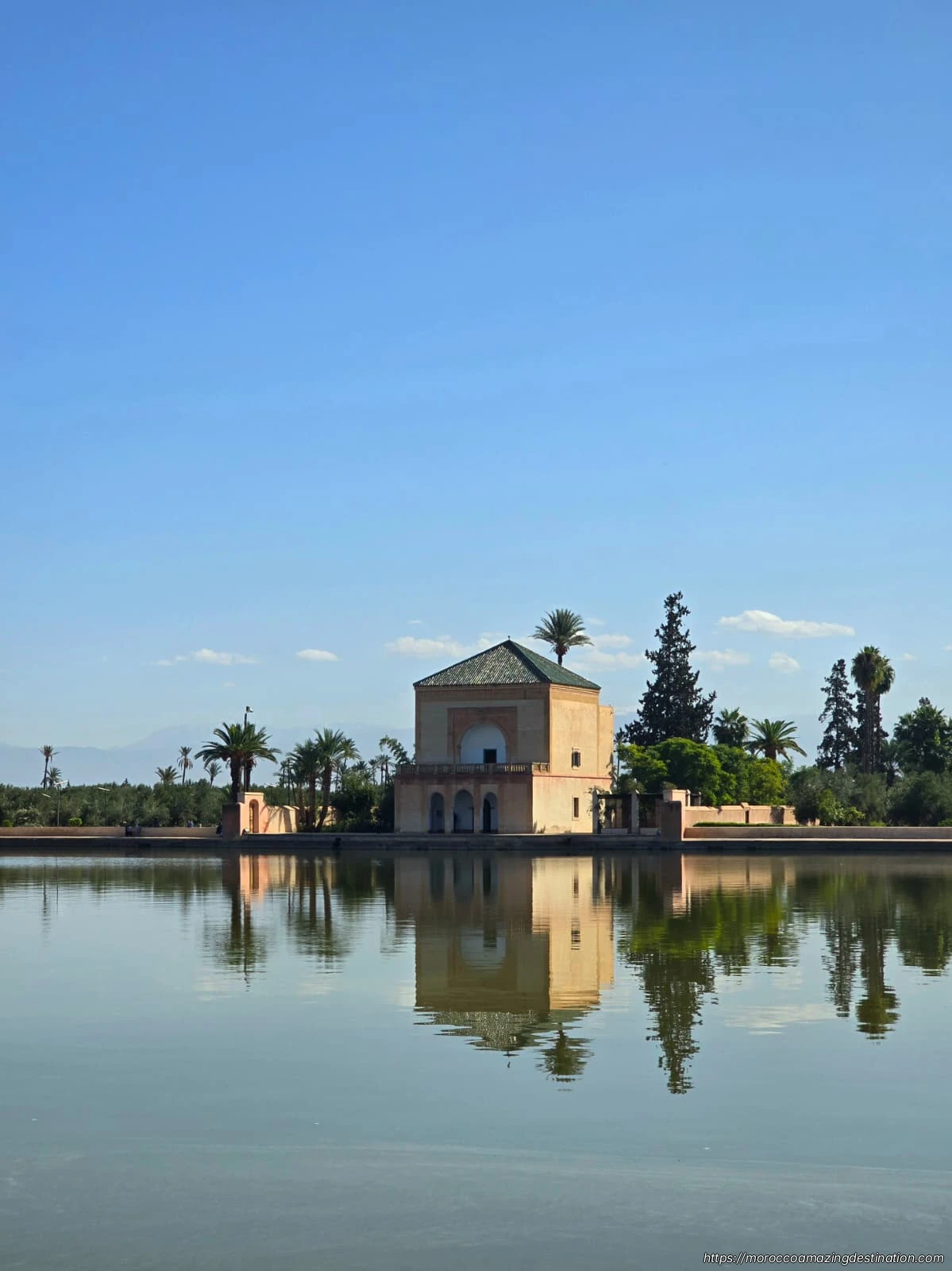
Marrakech is one of those rare places that leaves no one indifferent. The question of Marrakech love or hate comes up in nearly every travel forum, and the answers are always passionate. Some travelers describe it as a magical, sensory paradise — the kind of place that changes how you see the world. Others call it exhausting, overwhelming, and stressful.
So why does the Red City provoke such extreme reactions? And how do you know which camp you will fall into?
The truth is more nuanced than any online review suggests. Marrakech love or hate depends largely on how you approach the city. Your expectations, your travel style, and your willingness to embrace chaos all play a role. This guide breaks down exactly what makes Marrakech so polarizing — and helps you decide if it belongs on your itinerary.
The Sensory Overload — What Hits You First in Marrakech
Step into the Marrakech medina for the first time, and your brain goes into overdrive. Mopeds weave through narrow alleys inches from your shoulder. Merchants call out in Arabic, French, and English, inviting you into their shops. The smell of grilled meat, fresh mint, and tanned leather mixes in the air. Dyers, bakers, and silversmiths all work within a few steps of each other.
For some, this is pure magic. For others, it is a Marrakech culture shock that never quite fades.
The Sounds, Smells, and Chaos of the Medina
The medina is not a museum — it is a living, breathing city within a city. Over 200,000 people live and work inside its walls. Every alley has a purpose: one leads to the spice market, another to the tanneries, another to a hidden riad you would never find on your own.
Tourists who love Marrakech describe this as immersive and exhilarating. They lean into the unpredictability. They get lost on purpose, knowing a cup of mint tea and a friendly conversation await around the next corner.
Those who hate it feel trapped. The constant sensory input — honking scooters, shouting merchants, tight spaces — creates anxiety rather than wonder. The same intensity that makes the medina thrilling also makes it exhausting.
Why Some Find It Exhilarating, Others Overwhelming
Personality matters more than you might think. If you thrive in bustling environments — think Tokyo’s Shibuya crossing, Istanbul’s Grand Bazaar, or Mumbai’s streets — Marrakech will feel familiar and exciting. If you need quiet and order to recharge, the city will drain you by midday.
But here is the key insight: the medina is not all of Marrakech. The modern neighborhoods of Gueliz and Hivernage offer wide boulevards, quiet cafés, and a completely different pace. Choosing the right base changes everything.
The Hassle Factor — Scams, Haggling, and Unwanted Attention
This is the number one reason tourists cite when explaining their Marrakech love or hate stance. The hassle in the souks is real. Unwanted guides, overpriced goods, and persistent vendors are part of the daily reality for visitors.
Common Tourist Scams in Marrakech
A man approaches you in the medina and says the street you are walking on is closed. He offers to show you a different route — straight to his cousin’s carpet shop. A henna artist grabs your hand without asking and starts drawing, then demands payment. A taxi driver quotes a fixed fare four times the meter rate.
These are not signs of danger. They are the local economic reality. Tourism is the city’s lifeblood, and competition for your business is fierce.
Street Guides and Fake Directions
Many young men in the medina work as unofficial guides. They approach foreigners, offer directions, then expect a tip. Refusing can feel rude, but accepting creates an awkward transaction. A simple, firm “la shukran” (no, thank you) repeated until they move on is the most effective approach.
How to Handle Haggling Without Stress
Haggling in Marrakech is not a confrontation — it is a ritual. Vendors expect it and enjoy it. Start at roughly half the asking price and work up slowly. If negotiations stall, walking away often brings the price down. Remember: if you pay a fair price (not necessarily the lowest possible), everyone walks away happy.
This is one of the most important Marrakech travel tips for first-time visitors: treat bargaining as a conversation, not a battle.
The Magic That Makes Travelers Fall in Love
Despite the challenges, millions of visitors leave Marrakech planning their return. The city has an undeniable pull.
Jemaa el-Fnaa at Sunset
The main square transforms as the sun goes down. Smoke rises from dozens of food stalls grilling merguez and lamb skewers. Storytellers gather crowds. Snake charmers, musicians, and henna artists fill every open space. The energy is electric, ancient, and completely unique.
This is where many travelers experience the shift from overwhelmed to enchanted. Sitting on a rooftop terrace with a glass of fresh orange juice, watching the square come alive — it is hard not to fall under Marrakech’s spell.
Riad Life and Moroccan Hospitality
Step through an unassuming door in the medina, and you enter a different world. Riads — traditional Moroccan houses built around a central courtyard — offer peace, beauty, and hospitality. The architecture alone is worth the trip: zellige tilework, carved cedar ceilings, and lush orange trees create a sanctuary from the city’s chaos.
Moroccans are genuinely warm hosts. A cup of mint tea is never just tea — it is an invitation to sit, talk, and connect. This hospitality is what wins over even the most skeptical visitors.
The Food — Tagine, Mint Tea, and Street Eats
Marrakech is a food lover’s city. Street stalls serve harira soup, snails in broth, and grilled meats that cost pocket change. Riad restaurants offer refined takes on traditional dishes like lamb tagine with prunes and almonds. Cooking classes let you take a piece of Marrakech home with you.
Practical Marrakech Travel Tips
Navigating the love-hate dynamic starts with good preparation. These Marrakech travel tips will help you get the experience you want.
What to Wear, Where to Stay, How to Get Around
Dress modestly — shoulders and knees covered — especially in the medina. Lightweight, breathable fabrics are essential. Comfortable walking shoes are non-negotiable.
For accommodation, choose your vibe. A riad in the medina puts you in the heart of everything. A hotel in Gueliz gives you modern comfort with easy taxi access to the old city. Many travelers book a riad for a few nights and a Gueliz hotel for the rest.
Getting around is simple. The city is walkable if you stay central. Petite taxis are cheap and plentiful for longer trips — always insist on the meter or agree on the fare before getting in.
Best Time to Visit Marrakech
Spring (March to May) and autumn (September to November) are ideal. Temperatures are warm but bearable. Winter days are pleasant but nights get cold — pack layers. Summer can be searingly hot, with July and August temperatures exceeding 40°C.
Safety Tips for Solo Travelers and Women
Marrakech is safe for solo travelers, including women traveling alone. Standard precautions apply: avoid walking alone in poorly lit areas at night, keep valuables out of sight, and trust your instincts. Unwanted attention from men in the medina is common but rarely dangerous — a firm “no” and continued walking usually ends it.
Marrakech Pros and Cons — The Honest Verdict
Seeing the Marrakech pros and cons side by side helps clarify whether the city is for you.
Pros:
- Stunning architecture and photo-worthy streets
- World-class food at affordable prices
- Rich cultural experiences — hammams, cooking classes, souks
- Warm and welcoming local hospitality
- Easy gateway to the Sahara Desert and Atlas Mountains
Cons:
- Constant hustle in tourist areas can be draining
- Scams and overcharging are common
- Traffic and noise levels are high
- Heat in summer is extreme
- Not a relaxing “beach vacation” destination
So, Should You Visit Marrakech?
The answer to is Marrakech worth visiting depends on what you seek from travel. If you want a clean, predictable, easy vacation — Marrakech may frustrate you. If you want an adventure that challenges your senses, rewards curiosity, and leaves you with stories to tell for a lifetime — Marrakech delivers like few other cities can.
The key is going in with eyes open. Accept that the medina will be chaotic. Prepare for the hassle. Embrace the unexpected. And give yourself permission to retreat to your riad rooftop when you need a break.
Marrakech love or hate is not about the city — it is about you. And the only way to find out which side you are on is to experience it yourself.
Extend Your Stay with a Desert Tour
If Marrakech captures your heart, consider venturing beyond the city. The Sahara Desert is just a few hours away, and a guided tour makes the journey seamless.
The 3-Day Trip from Marrakech to Merzouga is one of the most popular routes. Cross the High Atlas Mountains, visit the UNESCO-listed Ait Benhaddou Kasbah, explore the Dades and Todra Gorges, and spend a night camping under the stars in the Merzouga dunes. It is the perfect extension for travelers who want to experience Morocco’s diverse landscapes.
For those with more time, the 4-Day Morocco Desert Tour from Marrakech adds extra depth. You will follow the same highlights at a more relaxed pace, with additional stops in the Dades Valley and a deeper immersion into Berber culture. Both tours offer private and group options, so you can choose the experience that fits your travel style.
If you found this helpful, add us as your preferred source on Google.
Frequently Asked Questions
Is Marrakech safe for tourists?
Yes, Marrakech is generally safe for tourists. Petty crimes like pickpocketing and occasional scams exist in busy areas like the medina and Jemaa el-Fnaa, but violent crime is rare. Stay aware of your belongings, avoid dark alleys at night, and use licensed taxis — you will be fine.
Why do some people hate Marrakech?
Many visitors find the constant hustle in the medina overwhelming. Aggressive street guides, persistent vendors, and the chaotic traffic can create a sense of pressure. Culture shock — from noise, crowds, and unfamiliar customs — also contributes to the love-hate reaction that makes Marrakech a polarizing destination.
What is the best area to stay in Marrakech?
The Medina is ideal for those who want to be in the heart of the action, with easy access to souks, riads, and Jemaa el-Fnaa. Gueliz (the modern quarter) offers quieter streets, European-style hotels, and trendy cafés. Hivernage is perfect for luxury seekers with upscale hotels and gardens.
How many days do you need in Marrakech?
Two to three days is the sweet spot for most travelers. Two days lets you explore the main sights — the medina, souks, Bahia Palace, and Jemaa el-Fnaa. A third day allows for a side trip to the Atlas Mountains or the Majorelle Garden without rushing.
Ready for an Adventure?
Have questions? Feel free to contact us using the form below. We're here to help!