· Travel · 8 min read
Lakes of Morocco: Complete Guide to the Most Beautiful Lakes and Lagoons
Discover the best lakes of Morocco, from Middle Atlas alpine waters to High Atlas mountain lagoons. Guide to activities, wildlife, and when to visit.
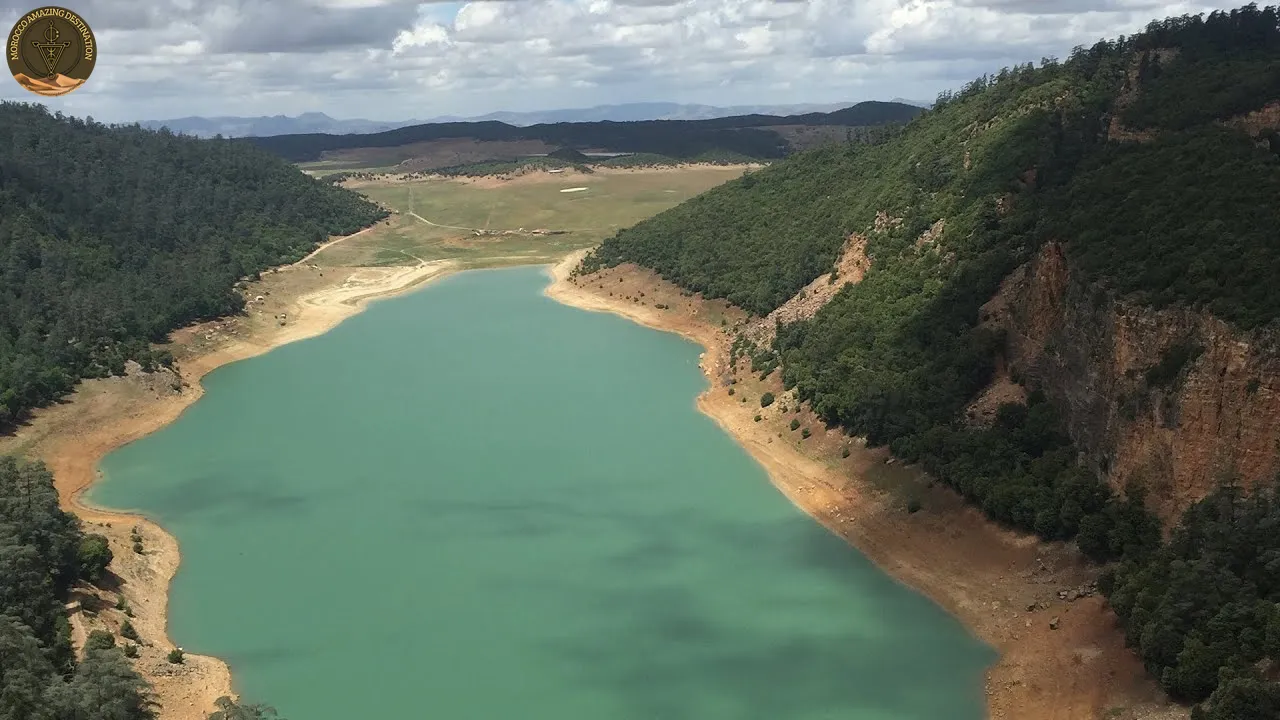
When people think of Morocco, they imagine golden Sahara dunes, bustling medinas, and the snow-capped High Atlas. But the lakes of Morocco remain one of the country’s best-kept secrets — a network of alpine waters, crater-like basins, and coastal lagoons that surprise even seasoned travelers. From the trout-filled waters of the Middle Atlas to the sacred twin lakes of Imilchil, these hidden gems offer a completely different side of the Moroccan landscape.
Where Are Morocco’s Lakes?
Morocco is not a country of vast freshwater seas, but what it lacks in size it makes up for in character. The Morocco lakes are scattered across three main regions, each with its own distinct geography, wildlife, and cultural significance.
The Middle Atlas Lake District
The Middle Atlas mountains are home to the highest concentration of natural lakes in the country. Stretching across the provinces of Ifrane and Khenifra, this region sits between 1,500 and 2,100 meters above sea level and features a sub-humid climate that sustains cedar forests, wetlands, and dozens of permanent lakes. Many of their names begin with the Amazigh words aguelmame (lake) or dayet (small lake), reflecting the deep Berber roots of the area.
This region alone holds more than a dozen recognized lakes, many designated as Ramsar wetlands of international importance for their role in supporting migratory birds and endangered species.
The High Atlas Alpine Lakes
High above the valleys, the High Atlas harbors Morocco’s most dramatic lakes. Lake Ifni, nestled beneath the 4,167-meter summit of Mount Toubkal, is one of the highest lakes in the world. Further east, the twin Lakes Isli and Tislit near Imilchil sit at over 2,200 meters and are steeped in local legend. These alpine waters freeze in winter and offer some of the most spectacular scenery in North Africa.
The Mediterranean Coast Lagoon
On the northern coast, the Marchica lagoon near Nador covers 120 square kilometers, making it the largest water body in Morocco by surface area. This saltwater lagoon is a vital ecosystem for marine life and birds and anchors the economy of the Rif region.
The Most Beautiful Lakes in Morocco
Lake Aguelmame Sidi Ali
The largest natural lake in Morocco, Lake Aguelmame Sidi Ali covers approximately 500 hectares at an altitude of 2,080 meters in Khenifra National Park. Formed millions of years ago at the intersection of two geological faults, it reaches depths of 36 meters and is fed by snowmelt, runoff, and karst springs.
This lake was once the only home of an endemic trout species, Salmo pallaryi, which sadly went extinct after the introduction of common carp in 1934. Today, the lake is an important overwintering site for migratory birds including the ruddy shelduck and crested coot. In 2005, it was designated a Ramsar site as part of the Aguelmams Sidi Ali-Tifounassine complex.
Lake Ifni
Perched at nearly 2,500 meters in Toubkal National Park, Lake Ifni is a stunning green alpine lake enclosed by steep mountain walls and overlooked directly by Mount Toubkal, the highest peak in North Africa. Measuring 870 meters long and 490 meters wide, with depths exceeding 30 meters, the lake freezes over completely in winter.
Reachable by road through the village of Imsuzart, Lake Ifni is a favorite destination for trekkers tackling the Toubkal circuit. Its water serves as a natural reservoir for more than ten Berber villages downstream, and small shelters on its western shore offer basic accommodation for hikers.
Lakes Isli and Tislit
High on the windswept plateau near Imilchil, the twin lakes of Isli and Tislit are inseparable from local folklore. The legend tells of a young man and woman from rival tribes whose forbidden love ended in tragedy — their tears became the two lakes, with Isli (“the groom”) and Tislit (“the bride”) forever separated yet eternally linked.
This romantic tale gave rise to the annual Imilchil Marriage Festival every September, where dozens of couples celebrate their union in a vibrant Berber ceremony. Lake Tislit is also scientifically notable as a meromictic lake, meaning its water layers never mix — a rare natural phenomenon.
Lake Aguelmam Azegza
Known as the Green Lake — azegza means “green” in Amazigh — this 40-hectare lake sits at 1,500 meters in Khenifra province, surrounded by Atlantic cedar and green oak forests where Barbary macaques roam freely. It is one of the most accessible and popular Middle Atlas lakes.
Lake Aguelmam Azegza has gained international fame as the host of Ice Swim Morocco, an annual cold-water swimming competition that draws participants from around the world. A recent tourism development project added Amazigh-style wooden tent shops along its shores, making it an increasingly comfortable day-trip destination.
Marchica Lagoon
Stretching 24 kilometers along the Mediterranean coast, the Marchica lagoon is the largest water body in Morocco by area. Adjacent to the city of Nador, this 120-square-kilometer saltwater lagoon supports a rich ecosystem of fish, crustaceans, and waterbirds. It holds Ramsar status and plays a central role in the regional economy through fishing, aquaculture, and emerging eco-tourism.
Other Notable Lakes
Several other Moroccan lakes deserve a mention:
- Lake Ouiouane — Located in Khenifra National Park near the headwaters of the Oum Er-Rbia River, this Ramsar-listed lake is popular for carp and trout fishing.
- Lake Zerrouka — Just one kilometer from the town of Ifrane, this small but biodiverse lake is a favorite for family outings and fishing.
- Lake Tiguelmamine — Nicknamed “the glasses of the Middle Atlas” because its two connected basins resemble a pair of eyeglasses.
- Akalamm Abkhane — The mysterious “Black Lake” where no fish survive due to naturally occurring toxic minerals and high salinity.
- Lake Afennourrir — A high-altitude Ramsar site set in a cedar forest, 30 kilometers from Azrou.
Activities at Moroccan Lakes
The best lakes in Morocco offer far more than just beautiful views. Each season and location brings different opportunities for outdoor adventure.
Fishing is one of the most popular activities. Lake Zerrouka stocks carp, roach, pike, and rainbow trout. Lake Dayet Hachlaf is the go-to spot for trout fishing between May and August. Lake Ouiouane and the El Mansour Eddahbi Reservoir near Ouarzazate also offer excellent fishing with appropriate permits.
Birdwatching enthusiasts flock to Lake Aguelmame Sidi Ali and Lake Afennourrir to spot migratory species including ruddy shelducks, crested coots, great crested grebes, grey herons, and little egrets. The Ramsar-protected lakes are essential stopover points along trans-Saharan migration routes.
Hiking and trekking around Lake Ifni is part of the classic Toubkal circuit. The Middle Atlas tourist lakes route, connecting Ifrane, Azrou, and the surrounding lakes, is a scenic drive with abundant walking trails through cedar forests.
Cold-water swimming has become a signature event at Lake Aguelmam Azegza, where the Ice Swim Morocco competition takes place in winter. For casual swimming, Lake Takerkoust near Marrakech is a popular day-trip destination for water sports and lakeside dining.
Cultural tourism peaks in September at the Imilchil Marriage Festival, where the twin lakes of Isli and Tislit provide a stunning backdrop for one of Morocco’s most colorful cultural events.
Best Time to Visit Morocco’s Lakes
Timing your visit makes all the difference when exploring the Moroccan lakes.
Spring (March to May) is the prime season. Snowmelt from the Atlas mountains feeds the lakes to their highest levels, wildflowers carpet the surrounding valleys, and temperatures are ideal for hiking and photography.
Summer (June to August) brings the best weather for high-altitude lakes like Ifni and the Imilchil twins. The Middle Atlas lakes offer a cool escape from the lowland heat, and this is the peak season for domestic tourism around Ifrane.
September is uniquely rewarding thanks to the Imilchil Marriage Festival, a cultural highlight that coincides with pleasant late-summer weather.
Winter (December to February) transforms the landscape entirely. Lake Ifni freezes over, the Middle Atlas cedar forests receive snow, and Lake Aguelmam Azegza hosts the cold-water swimming competition. The ski resorts of Michlifen and Oukaimeden add another reason to visit the Atlas in winter.
Conservation and Protected Lakes
Many of Morocco’s lakes face serious environmental challenges. Declining precipitation linked to climate change has lowered water levels across the board. Lake Dayet Hachlaf dried up completely in 2022, and the El Mansour Eddahbi Reservoir has lost half its volume to siltation.
Recognizing these threats, Morocco has designated numerous lakes as Ramsar sites: the Aguelmams Sidi Ali-Tifounassine complex, Lake Afennourrir, Lake Ouiouane, and the Isly-Tislite complex are all protected under international wetland conventions. They fall within national parks — Khenifra, Toubkal, and Haut Atlas Oriental — that provide additional legal safeguards.
Responsible tourism plays a vital role in supporting these conservation efforts. Visiting with a local guide, respecting protected areas, and keeping lakeshores clean helps preserve these unique ecosystems for future generations.
Discover the Lakes of Morocco
From the alpine majesty of Lake Ifni to the cedar-ringed shores of Lake Aguelmam Azegza, the lakes of Morocco reveal a side of the country that few travelers expect. Whether you are a trekker chasing high-altitude trails, a birder scanning the reeds for migratory waterfowl, or simply a traveler looking for peace and natural beauty, these waters deliver an experience unlike anywhere else in North Africa.
To explore the Middle Atlas lake district and beyond, a guided tour is the best way to experience Morocco’s natural diversity. The 9-Day Morocco Tour from Fez to Tangier takes you through the Middle Atlas mountains, cedar forests, and Berber villages that surround the country’s most beautiful lakes, combining nature with cultural exploration from Fez to the Mediterranean coast.
For a shorter but equally rewarding journey, the 4-Day Trip from Marrakech to Fes via Dades and Merzouga crosses the High Atlas through the Tizi n’Tichka pass, winds through the dramatic Todra and Dades gorges, and passes through the Middle Atlas near Azrou — putting some of Morocco’s most stunning landscapes and lake regions within reach in just four days.
If you found this helpful, add us as your preferred source on Google.
Frequently Asked Questions
What are the main lakes in Morocco?
Morocco's most important lakes include Lake Aguelmame Sidi Ali (the largest natural lake), the twin Lakes Isli and Tislit near Imilchil, Lake Ifni beneath Mount Toubkal, Lake Aguelmam Azegza (the Green Lake), and the Marchica lagoon near Nador. The Middle Atlas region is home to the highest concentration of natural lakes.
Where are Morocco's lakes located?
Most of Morocco's natural lakes are concentrated in the Middle Atlas mountains, particularly around Ifrane and Khenifra provinces. The High Atlas hosts alpine lakes like Lake Ifni and the twin lakes of Imilchil. The largest lagoon, Marchica, sits on the Mediterranean coast near the city of Nador.
Can you swim or fish in Moroccan lakes?
Yes, fishing is popular in many Moroccan lakes. Lake Zerrouka near Ifrane offers carp, roach, pike, and rainbow trout fishing, while Lake Dayet Hachlaf is known for trout fishing from May to August. Swimming is possible in some lakes but not recommended in Lake Ifni due to dangerous conditions. Lake Aguelmam Azegza even hosts an annual international ice-swimming competition in winter.
What is the largest lake in Morocco?
The largest natural lake is Lake Aguelmame Sidi Ali, with a surface area of about 500 hectares and a depth of 36 meters, located in Khenifra National Park. The largest water body overall is the Marchica lagoon near Nador, spanning 120 square kilometers along the Mediterranean coast.
Ready for an Adventure?
Have questions? Feel free to contact us using the form below. We're here to help!