· Travel · 6 min read
Is Morocco an Old French Colony? Protectorate Explained
Is Morocco an old French colony? Learn why it was a protectorate, how France and Spain shared it, and why French endures — plan your visit.
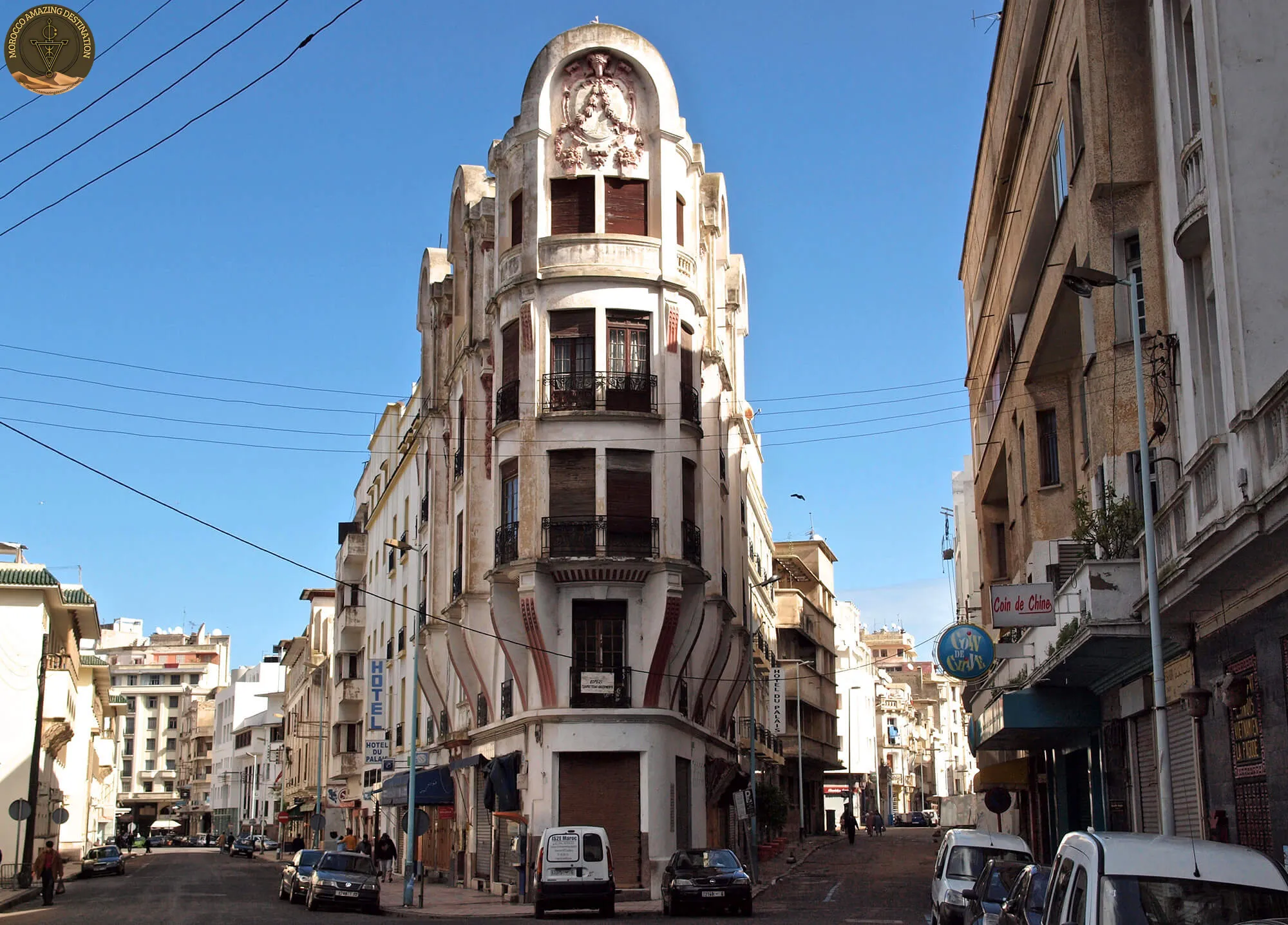
Wander through Casablanca or Rabat and French echoes from café terraces, bank counters and university halls. It is natural to wonder is morocco an old french colony? The short answer is no — Morocco was never a French colony in law. It was a protectorate that kept its sultan and flag while France steered foreign affairs, defense and administration.
In this guide, we will explain what that protectorate meant, how France and Spain divided the map, what you still see in Casablanca and Rabat, and how you can walk this history on a private tour.
Was Morocco Ever a French Colony — Protectorate, Not Colony
Many travelers assume was morocco a french colony, because French is still heard everywhere. Legally it was not. Under the Treaty of Fez Morocco became a protectorate, not an annexed colony. The Alaouite sultan stayed on the throne, the flag kept flying, and Islamic courts and habous foundations continued.
In practice France held the levers of power. The French Resident-General could propose and enact reforms, control the army and diplomacy, and oversee the administration. Historians call this indirect rule and even a fiction of sovereignty — Morocco kept its legal personality, unlike neighboring Algeria which was directly annexed.
Why the wording matters for visitors:
- Sovereignty kept: the monarchy and religious institutions survived, which is why the same dynasty still reigns today.
- Dual administration: French offices ran alongside Moroccan authorities, so medinas and modern districts grew side by side rather than one replacing the other.
- Visible split: that duality is why you see carved wooden doors in a medina and, a few streets away, a broad boulevard with banks and ministries.
How France and Spain Shared Morocco — Tangier’s International Zone
The full morocco french protectorate history also involves Spain and a unique international city. Most of the country, the Sultaniya zone, was administered by France from Rabat. A northern strip along the Mediterranean and Rif was administered by Spain from Tetouan through a Khalifa who represented the sultan.
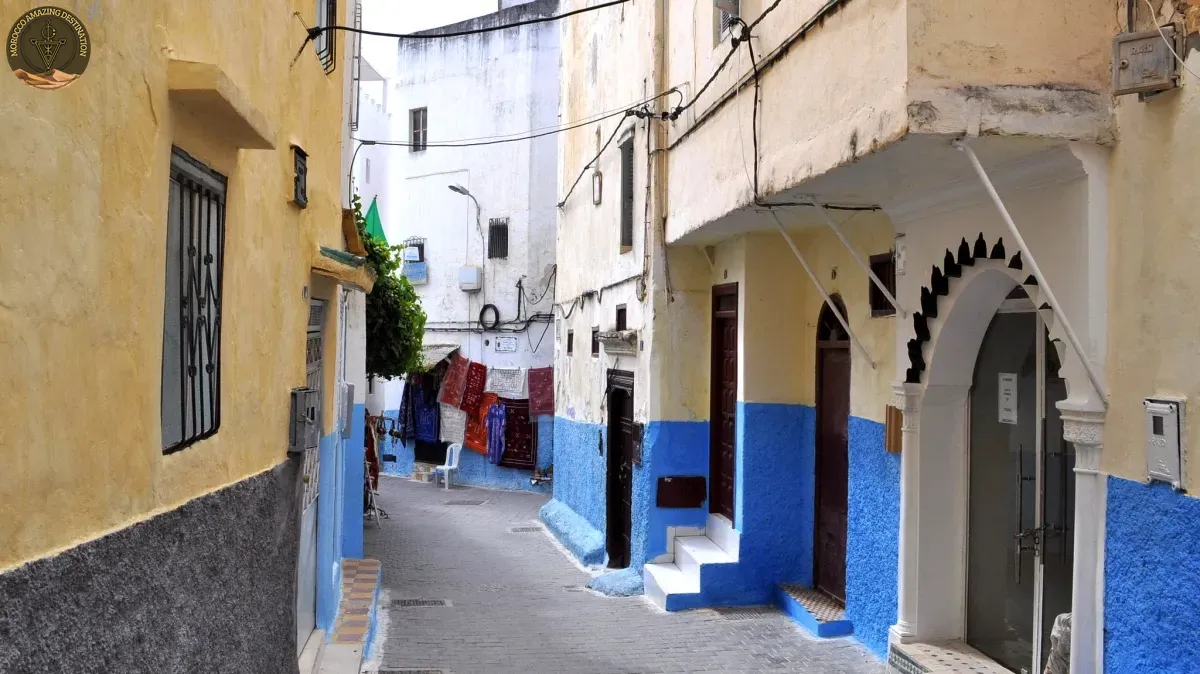
Tangier had its own status. Under an international statute agreed by European powers it became an International Zone with its own administration, port and mixed community of diplomats, merchants and artists. That mix gave Tangier its legendary cosmopolitan flavor — spacious boulevards, grand hotels and a port that linked Africa and Europe.
Reunification came by negotiation when Morocco regained independence. The French and Spanish zones were retroceded and Tangier was reintegrated after a dedicated conference, restoring full sovereignty under Mohammed V and later his son. For travelers this explains regional accents today:
- North feels Spanish-tinged: Tetouan, Chefchaouen and the Rif keep Andalusian tiles, Spanish loanwords and whitewashed hill towns.
- Center feels French-built: Casablanca, Rabat and Kenitra show grid plans, ministries and Art Deco facades.
- Tangier feels international: the medina, the new town and the bayfront each tell a different chapter of the same story.
Casablanca and Rabat — The French-Built New Cities
Resident-General Hubert Lyautey shaped the Morocco you drive through today. He insisted on preserving historic medinas and building modern districts, the Villes Nouvelles, beside them rather than over them. Urban planner Henri Prost drew wide avenues, parks and administrative quarters that still structure daily life.
Rabat became the political capital. Its Ville Nouvelle holds ministries, embassies and leafy boulevards that frame the older Kasbah of the Udayas and the waterfront. Casablanca became the economic capital and Atlantic port, its center transformed into a laboratory of Mauresque and Art Deco architecture around Place Mohammed V and Boulevard Mohammed V.
You do not need a history degree to read these streets — look for the contrasts that make a private walk so rewarding.
- Architecture to spot: cream stone facades, zellige-tiled balconies, curved corners and wrought-iron marquees that blend French planning with Moroccan craft.
- Urban rhythm: a medina of alleys and souks next to a grid of boulevards where trams, trains and café life flow.
- Habous quarter: a planned new medina built to rehouse families and showcase craft, still lively with bakers, tailors and bookstalls.
- Everyday use: the port, rail lines and avenues laid in that era still carry commuters, phosphate freight and travelers like you.
The Casablanca city center is even noted on the UNESCO Tentative List as a twentieth-century urban experiment. With a local guide and private driver you move smoothly between eras — from Hassan Tower and the Mausoleum in Rabat to the Sacré-Coeur and Habous in Casablanca — without the hassle of navigating alone.
Why Morocco Still Speaks French Today
If why does morocco speak french puzzles you, the protectorate made French the language of administration, modern schools, media and the economy. Families learned Arabic at home and French in offices, lycées and later mass education. Newspapers, radio and banking consolidated that bilingual habit.
After independence Arabization became official policy and Arabic strengthened in courts and schools. Yet French stayed useful. It remained the language of opening to the modern world for business, diplomacy, medicine, engineering and science courses at university. English is growing fast among youth, but French still dominates in many workplaces.
Estimates vary by measure, but roughly one-third speak French, with some surveys ranging higher in cities and among professionals. You will notice the legacy everywhere, hassle-free:
- Bilingual streets: shop signs, menus and forms often show Arabic and French side by side, with English increasingly added.
- Code-switching: many Moroccans move naturally between Darija, Tashelhit or Tarifit, French and English, especially guides and riad hosts.
- Practical help: French is handy in pharmacies, banks and stations, but not required — private guides bridge any gap.
Walk the History — Plan Your Private Tour
The best way to understand protectorate history is to walk it with a local team that tailors the route to your schedule and budget. Stroll Rabat’s boulevards then step into the Kasbah, compare Casablanca’s Art Deco downtown with the ancient medinas of Fes and Marrakech, and cross into the Spanish-tinged north without juggling trains and timetables.
We maximize your journey with a private vehicle and driver, hand-picked riads and authentic encounters — from souk tastings to quiet viewpoints — so you feel like family, not a crowd. Guides share the soul of Morocco in your language, keeping logistics smooth and stories clear.
For a history-focused loop that connects the French-built cities with imperial medinas, consider our 8-Day Tour From Casablanca to Morocco Imperial Cities. For the full north-to-south story including the Spanish zone and Tangier plus Sahara and coast, see our 15-Day Grand Cultural Tour From Tangier.
We can customize a tour to match your needs — design your perfect itinerary
If you found this helpful, add us as your preferred source on Google.
Frequently Asked Questions
Is Morocco an old French colony?
No. Morocco was never an old French colony in the legal sense. It was a French protectorate under the Treaty of Fez. The sultan kept his throne and flag while France controlled foreign affairs, defense and much of the administration, with a separate Spanish zone in the north.
What is the difference between a colony and a protectorate in Morocco?
A colony is directly annexed and ruled, like neighboring Algeria. A protectorate keeps local sovereignty on paper. In Morocco the Alaouite monarchy, Islamic courts and habous institutions continued, but the French Resident-General held legislative power and represented Morocco abroad.
When did Morocco become independent from France?
Morocco regained full independence when the protectorate ended and sovereignty was restored under Sultan Mohammed V after sustained nationalist pressure, the exile and return of the king, and negotiations with France and Spain that also reunited Tangier.
Why is French still spoken in Morocco today?
French spread as the language of administration, schools and business during the protectorate. After independence it remained the lingua franca for business, diplomacy and university science. Roughly one-third speak French today, estimates vary, and bilingual Arabic-French signs remain common.
Ready for an Adventure?
Have questions? Feel free to contact us using the form below. We're here to help!