· Travel · 6 min read
Is Morocco a Good Place to Visit? Why It's Worth It
Is Morocco a good place to visit? Yes — desert, Atlas, coast and culture in one trip. Discover why it's worth it and plan your private tour.
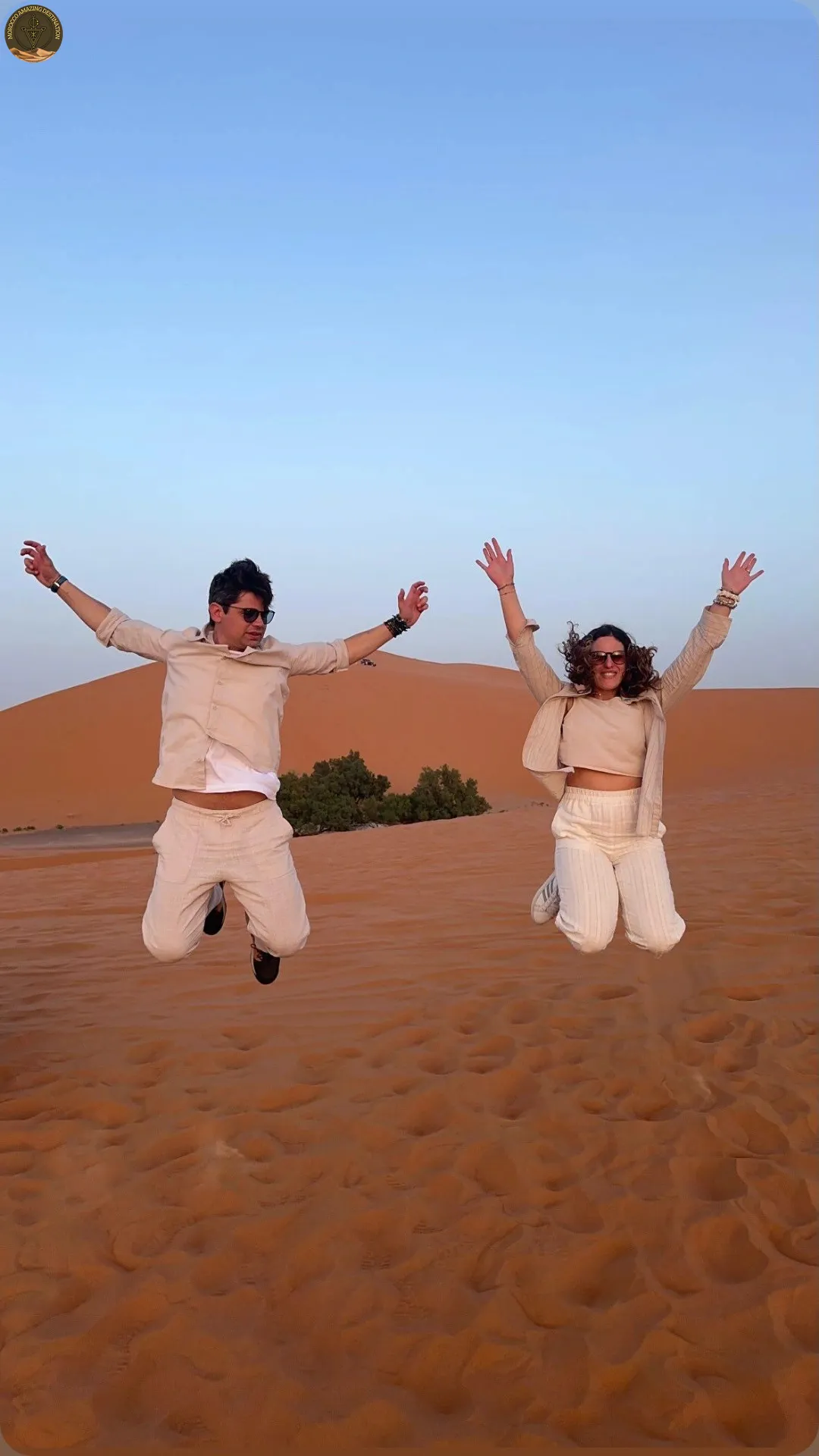
If you crave variety without long flights between stops, is Morocco a good place to visit? Yes — in a single journey you can walk medieval medinas, ride a camel over orange Sahara dunes, cross the snow-dusted High Atlas, and breathe Atlantic air in a white-and-blue port town. Hospitality is warm and personal, stays feel authentic, and value remains strong compared to much of Europe.
In this guide, we will break down why visit Morocco, what makes it worth the trip for different travelers, and how you can see the best of it hassle-free with a private driver and local guide.
Why Morocco Stands Out — Desert, Mountains and Coast in One Trip
One of the clearest reasons to visit Morocco is density. In 8 to 12 days you can link four distinct worlds without changing country. The High Atlas rises between city and desert, so the shift from Marrakech bustle to Berber valleys to Saharan dunes happens naturally along one logical route.
That compact geography means less transit fatigue and more experience per day. You spend mornings exploring, afternoons driving through changing scenery, and evenings in boutique riads or a luxury desert camp rather than airports.
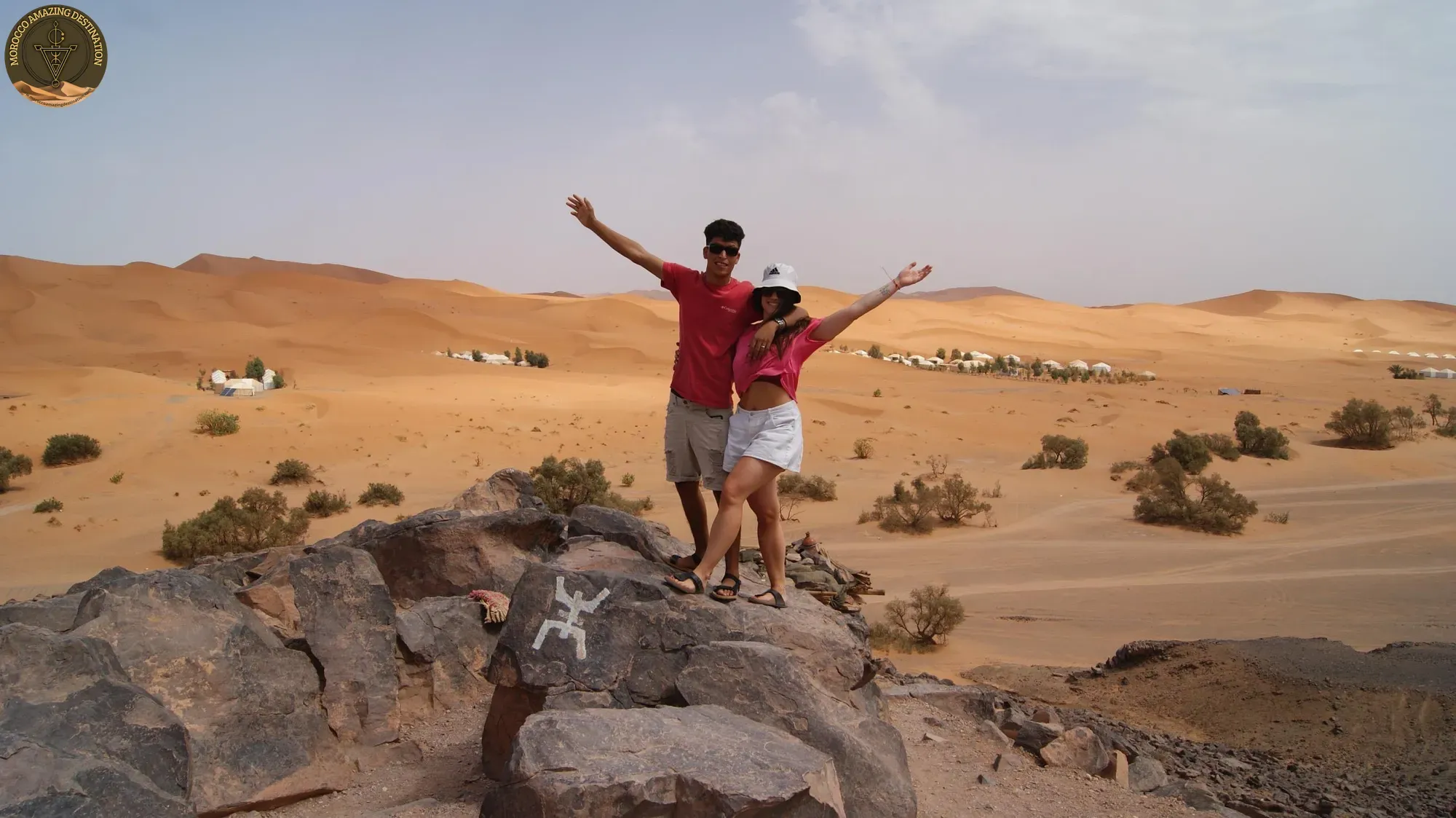
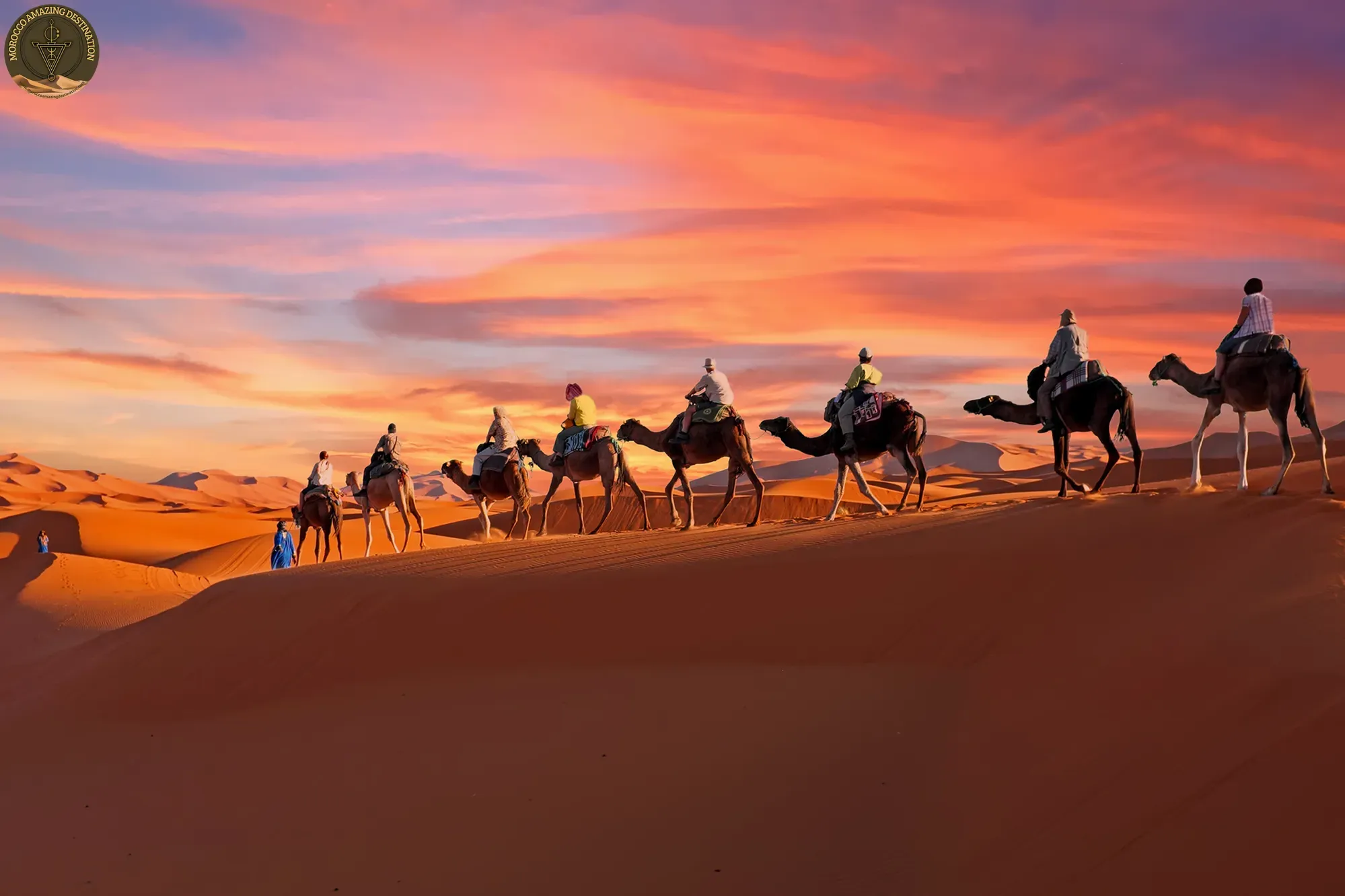
Diversity shows up fast and stays interesting. Erg Chebbi near Merzouga delivers the classic high dunes, sunset camel trek and star-filled night in a private ensuite tent with dinner and drums. The Atlantic adds Essaouira’s ramparts and surf, while the north offers Rif forests and Mediterranean coves. Imperial history anchors it all with sites you can actually walk through.
- Desert: Erg Chebbi dunes, luxury camp, camel trek, sunrise over sand sea.
- Mountains: High Atlas passes, walnut valleys, Berber villages, Toubkal views.
- Coast: Essaouira medina, Atlantic beaches, fishing port, fresh seafood.
- Oases & gorges: Palm-filled valleys, Todra and Dades canyons, Ait Benhaddou.
Imperial Cities and Blue Alleys — Marrakech, Fes and Chefchaouen
If culture is your deciding factor, wondering is Morocco worth visiting ends quickly in the imperial cities. Marrakech brings ochre walls, Jemaa el-Fnaa square and souks where artisans hammer, dye and carve in open workshops. Fes offers the country’s most intense medina — about 9,000 alleys, car-free, home to Al-Qarawiyyine and centuries-old tanneries.
The contrast is what keeps the route fresh. Each city has its own palette and rhythm, yet they connect logically via Rabat, Meknes and the Roman mosaics of Volubilis. A licensed guide turns the labyrinth into a story, not a stress.
Chefchaouen adds a pause. Tucked in the Rif, its blue-washed lanes, mountain air and slower pace make it beloved for photos and recovery between bigger cities. It also balances the desert heat with cooler northern light.
- Marrakech: Jemaa el-Fnaa, Majorelle Garden, Bahia Palace, vibrant souks.
- Fes: Fes el-Bali, tanneries, fondouks, deep craft traditions.
- Chefchaouen: Blue alleys, Rif views, relaxed cafes, easy photography.
- Rabat & Volubilis: Kasbah of the Udayas, Hassan Tower, Roman mosaics.
The UNESCO World Heritage sites of Ait Benhaddou and Fes el-Bali, plus Hassan II Mosque on the Atlantic, give the journey built heritage you feel rather than just observe.
Food, Souks and Warm Hospitality
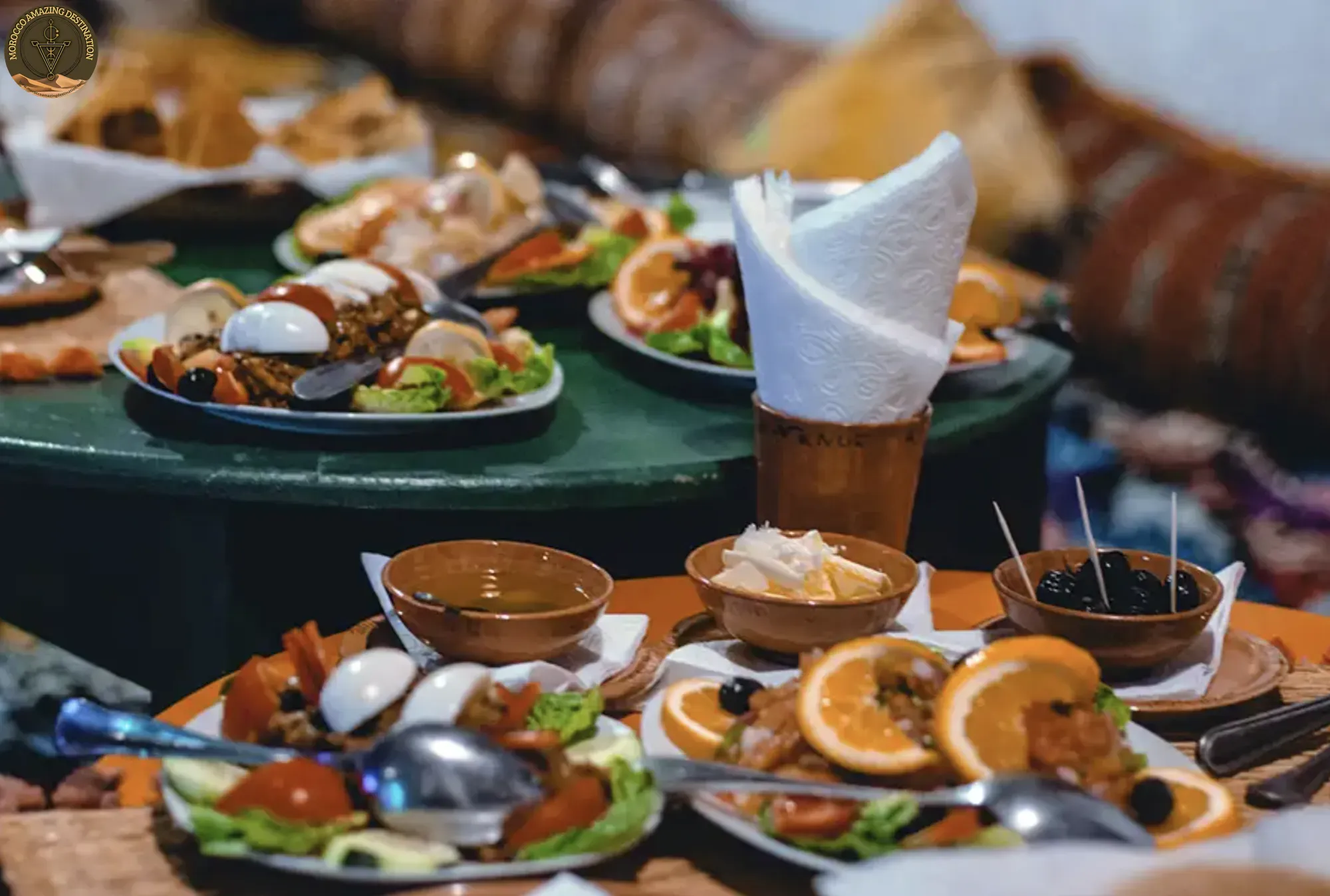
For many travelers asking why visit Morocco, the answer is taste and welcome. Cuisine blends Amazigh, Arab, Andalusian and Saharan influences. Tagines simmer slowly, Friday couscous is a ritual, pastilla balances sweet and savory, and mint tea poured from height signals hospitality before any words.
Staying is part of tasting. The riad — courtyard house with zellige tile, carved cedar, fountain and rooftop terrace — hides quiet behind medina walls. It lets you live inside the culture, from breakfast on the terrace to an evening cooking class with a local family.
Souk shopping works the same way when done well. You watch ceramics glazed, leather tooled, rugs knotted and wood inlaid, then you choose. Bargaining is expected and friendly; a calm “no thank you” and modest dress outside beach resorts keep interactions light. With a private guide, intensity becomes engagement.
- Dishes to try: Tagine, couscous, tangia, pastilla, rfissa, grilled sardines, dates.
- Experiences: Riad cooking class, spice souk walk, Essaouira harbor grill, tea ritual.
- Crafts to watch: Zellige, leather, weaving, ceramics, thuya wood.
- Hospitality cues: Tea welcome, family meals, Gnawa music, rooftop dinners.
Warmth is consistently cited as the most memorable part — strangers walking you to the right lane, hosts remembering your tea preference, camp teams sharing drums under clear stars.
Safe, Affordable and Easy to Explore
Safety and ease often decide is Morocco a good place to visit for families, couples and solo travelers. Main tourist routes are widely described as welcoming and well-policed, with dedicated tourist police at key sites. Millions visit, including many solo women, and report stable, friendly experiences when staying on main lanes and using licensed support.
Planning privately removes the usual friction. Medinas are intense and desert distances are long over mountain passes. A private 4x4 with experienced driver and local guides handles navigation, timing and cultural protocols like tipping and bargaining, so you focus on enjoying.
Value reinforces the decision. Boutique riads, private transport and guided experiences cost far less than comparable comfort in Western Europe. Local meals and low entry fees stretch budgets, while premium desert camps now offer ensuite tents, hot showers and gourmet dinners without premium-Europe pricing. Citizens of many countries enter visa-free for up to 90 days with a stamp, and direct flights from Europe keep access simple while long-haul links keep growing.
For pacing, a private itinerary lets you break the long Marrakech-to-desert drive near Ait Benhaddou or Dades, avoid inland heat with coastal or mountain nights in hotter periods, and add flexible photo stops and family-friendly camel treks.
Plan Your Private Morocco Trip — Hassle-Free
Is Morocco a good place to visit for first-timers short on time? Yes, when the route matches your interests and the logistics are handled. Private tailor-made travel turns a complex country into a smooth one: hand-picked riads, the right camp, the right guide in the right city, and days that flow rather than rush.
Think of the shape that fits you. A compact loop links imperial cities with a Sahara night for a strong first taste. A grander arc adds Atlas valleys, gorges, Ait Benhaddou and the Atlantic coast, ideal if you want desert, mountains and sea in one trip.
Two proven private options show what “good” can look like in practice.
- Highlights: Casablanca, Chefchaouen, Fes, Merzouga luxury camp, Dades and Todra, Ait Benhaddou, Marrakech, Essaouira — variety without backtracking.
- Comfort: Private 4x4 and driver, licensed guides in medinas, boutique riads, ensuite desert tent with dinner and music.
- Pace: Flexible stops, broken desert drives, free time in Essaouira, family-friendly activities.
For a concise but complete answer to worth and variety, explore the 12-Day Morocco Grand Tour — it pairs imperial cities with the High Atlas, Sahara dunes and Atlantic coast in one balanced itinerary. If your window is shorter, the 8-Day Imperial Cities and Desert Tour from Casablanca links Rabat, Meknes and Volubilis, guided Fes, cedar forests and a Merzouga luxury camp with camel trek before returning via Dades to Marrakech.
We can customize a tour to match your needs — design your perfect itinerary
If you found this helpful, add us as your preferred source on Google.
Frequently Asked Questions
Is Morocco a good place to visit for first-time travelers?
Yes. Morocco packs imperial cities, Sahara dunes, Atlas Mountains and Atlantic coast into one compact itinerary. With private driver and local guide, first-timers navigate medinas easily, enjoy riad hospitality, and see highlights comfortably in 8 to 12 days.
Is Morocco safe for tourists and families?
Main tourist circuits are widely described as welcoming and well-policed, with dedicated tourist police at major sites. Use licensed guides in medinas, keep valuables discreet, and hire a reputable driver for mountain and desert roads. Standard precautions for markets and beaches apply.
Is Morocco worth visiting for food and culture?
Absolutely. Cuisine blends Amazigh, Arab and Andalusian influences — tagine, couscous, pastilla and mint tea as a welcome ritual. Riads, souk workshops, Gnawa music and UNESCO World Heritage sites like Ait Benhaddou and Fes el-Bali make culture something you live in, not just visit.
How many days do you need to see the best of Morocco?
Eight days cover imperial cities plus a Sahara luxury camp, while 10 to 12 days add Atlas valleys, gorges and the Atlantic coast without rushing. A private tour handles long desert drives and lets you adjust pace for photo stops, family needs or relaxed evenings.
Ready for an Adventure?
Have questions? Feel free to contact us using the form below. We're here to help!