
· Travel · 4 min read
Is Merzouga Safe? A Complete Safety Guide to the Sahara
Yes, Merzouga is safe. Discover crime, camp and camel-trek safety, solo and family tips, and the real desert risks to plan for.
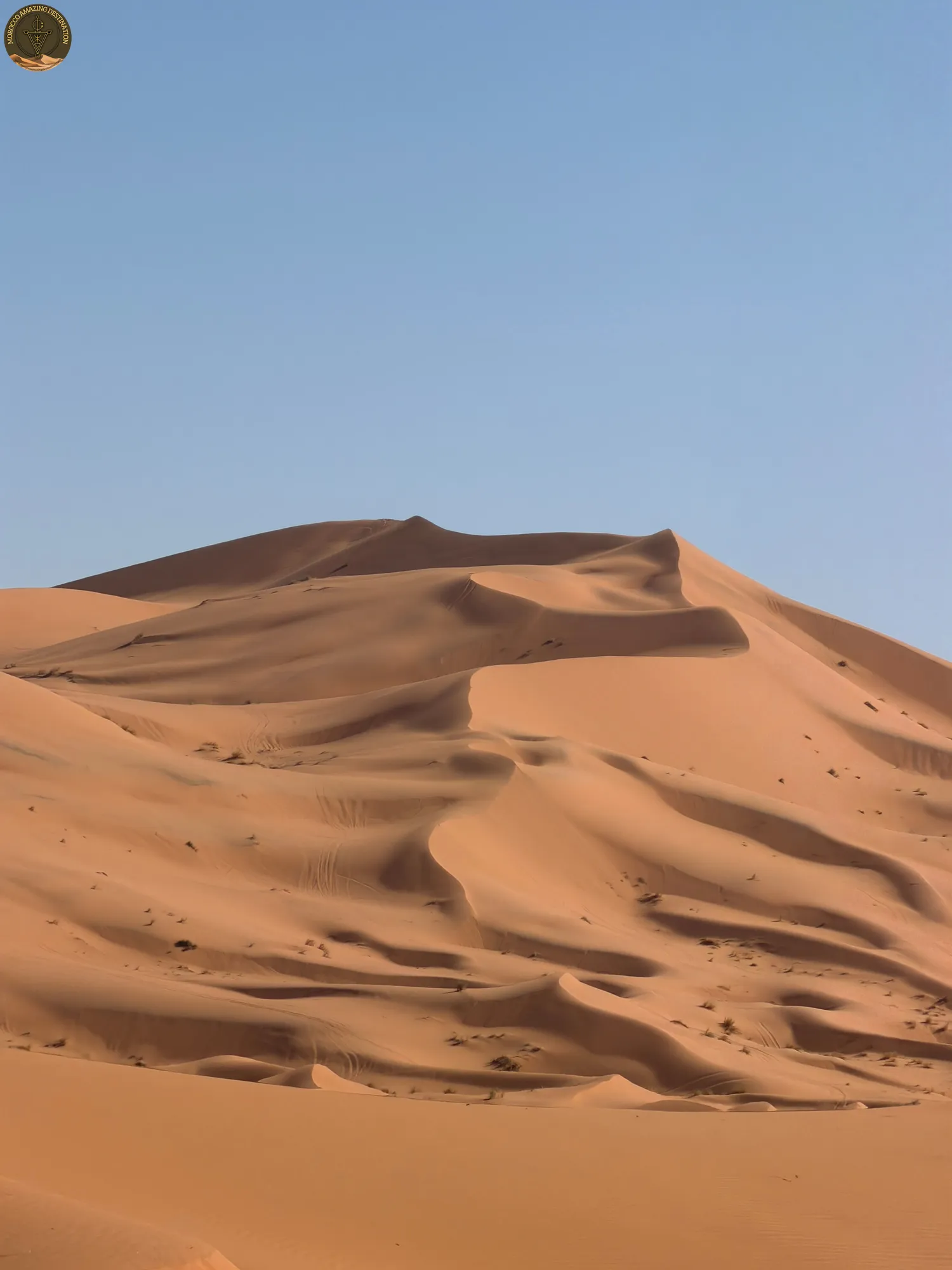
Yes — is Merzouga safe has a short answer: Merzouga is one of the safest places in Morocco to experience the Sahara. This small Berber village lives off tourism, so violent crime against visitors is practically non-existent. The real risks are environmental — heat, cold nights and long drives — not crime.
In this guide, we will break down Merzouga safety in the village, at the camps and on the road, and how to visit with confidence.
Is Merzouga Safe — What to Expect
Merzouga feels like a village, not a city. Around 1,500 residents live at roughly 730 metres, and almost everyone depends on visitors. Hospitality is the local economy, and safety is part of daily life.
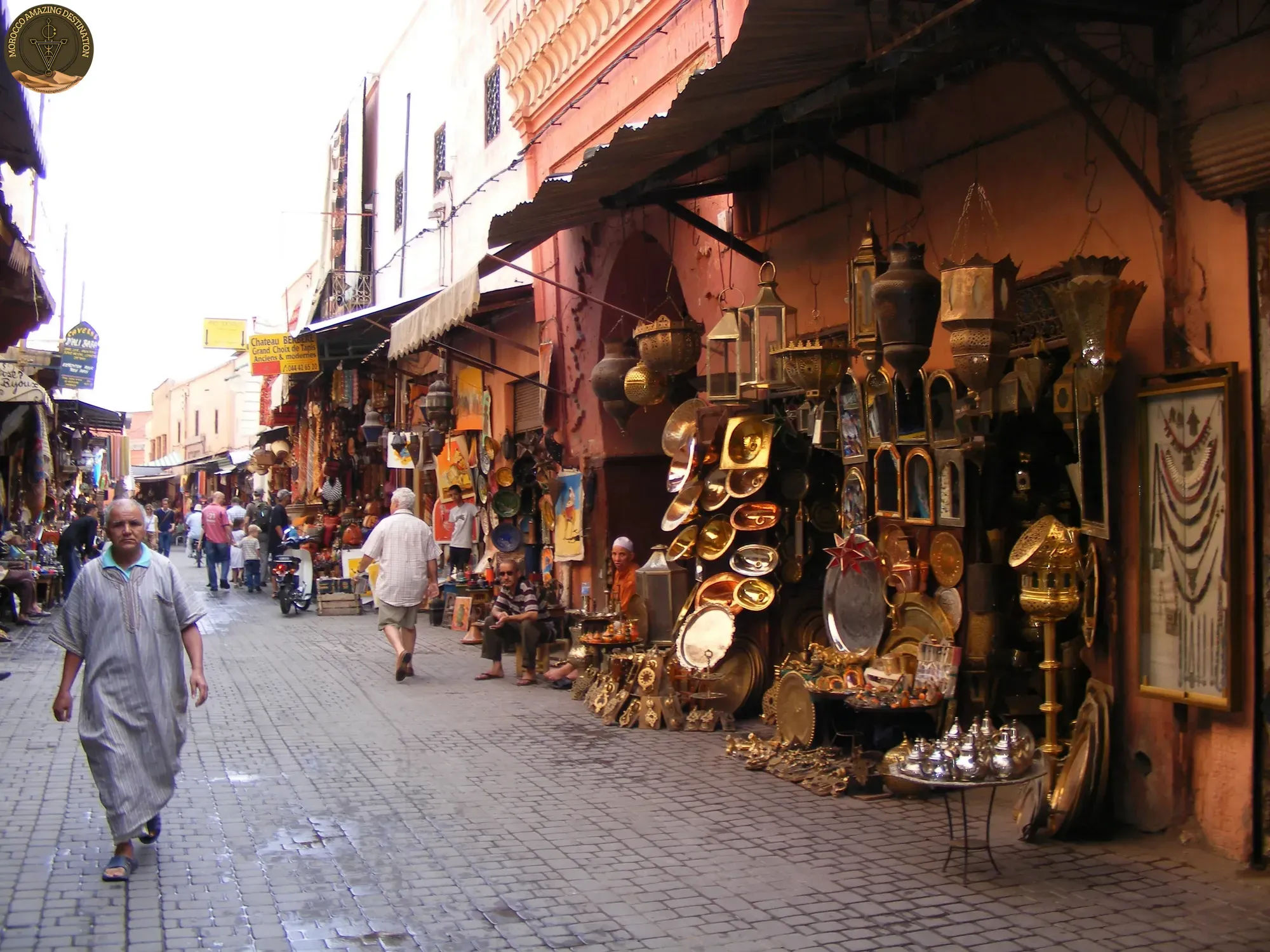
The closed Algerian frontier lies about 35–40 km east, but standard camel treks and 4x4 routes never approach it. The main annoyance in town is an informal “guide” or inflated price, not violence.
In practice, Merzouga feels calmer and friendlier than the big cities, and locals happily help visitors find their camp.
Key things to know:
- Low crime: Petty theft is rare and violence against tourists is practically unheard of.
- Touts, not threats: Agree prices up front and ignore unsolicited “guides”.
- Emergency support: Police 19, ambulance 15, Gendarmerie 177 and European 112.
Desert Camps and Camel Treks — Safe by Design
Desert camps near Erg Chebbi are secure by design. Reputable camps are staffed overnight, well lit and usually enclosed by dunes, with real beds, bathrooms and solar power. Luxury options add hot showers and heating or air conditioning.
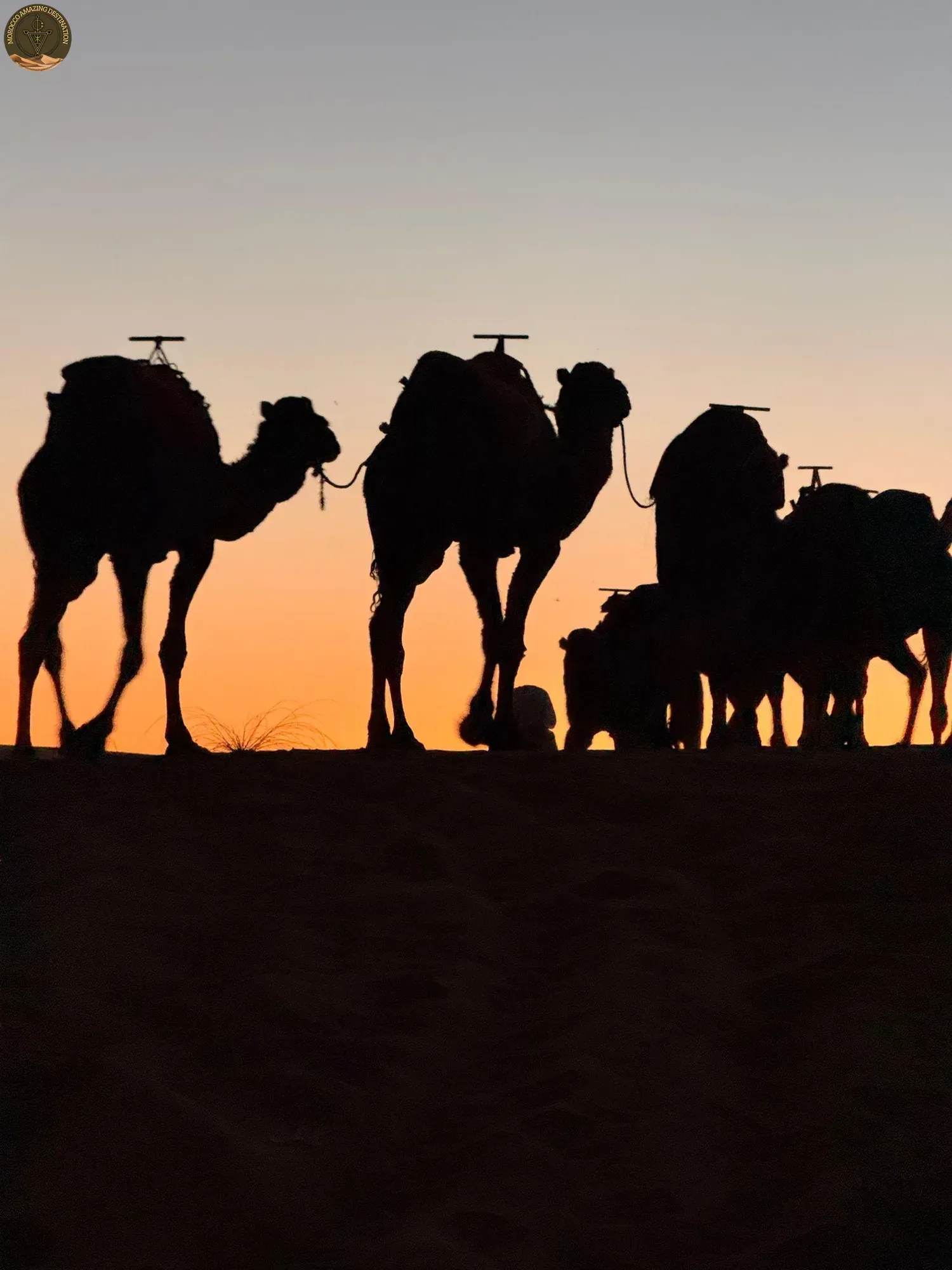
Camel treks are gentle and beginner-friendly. Handlers use calm, trained animals and give a short safety briefing before the one-to-two-hour ride to camp at sunset. Long trousers prevent chafing.
If you prefer not to ride, most camps offer 4x4 transfers to the same dunes, with insured vehicles and licensed guides.
What a well-run camp provides:
- Trained handlers: Guides walk beside beginners on calm camels.
- Staffed overnight: Someone stays awake if you need help.
- Clear rules: Tourist drones are banned and confiscated at customs.
Solo, Female and Family Travelers in Merzouga
Is Merzouga desert safe for women travelling alone? Yes — solo women visit year-round, and the village is small and social. Modest dress and avoiding solitary late-night walks sharply reduce unwanted attention.
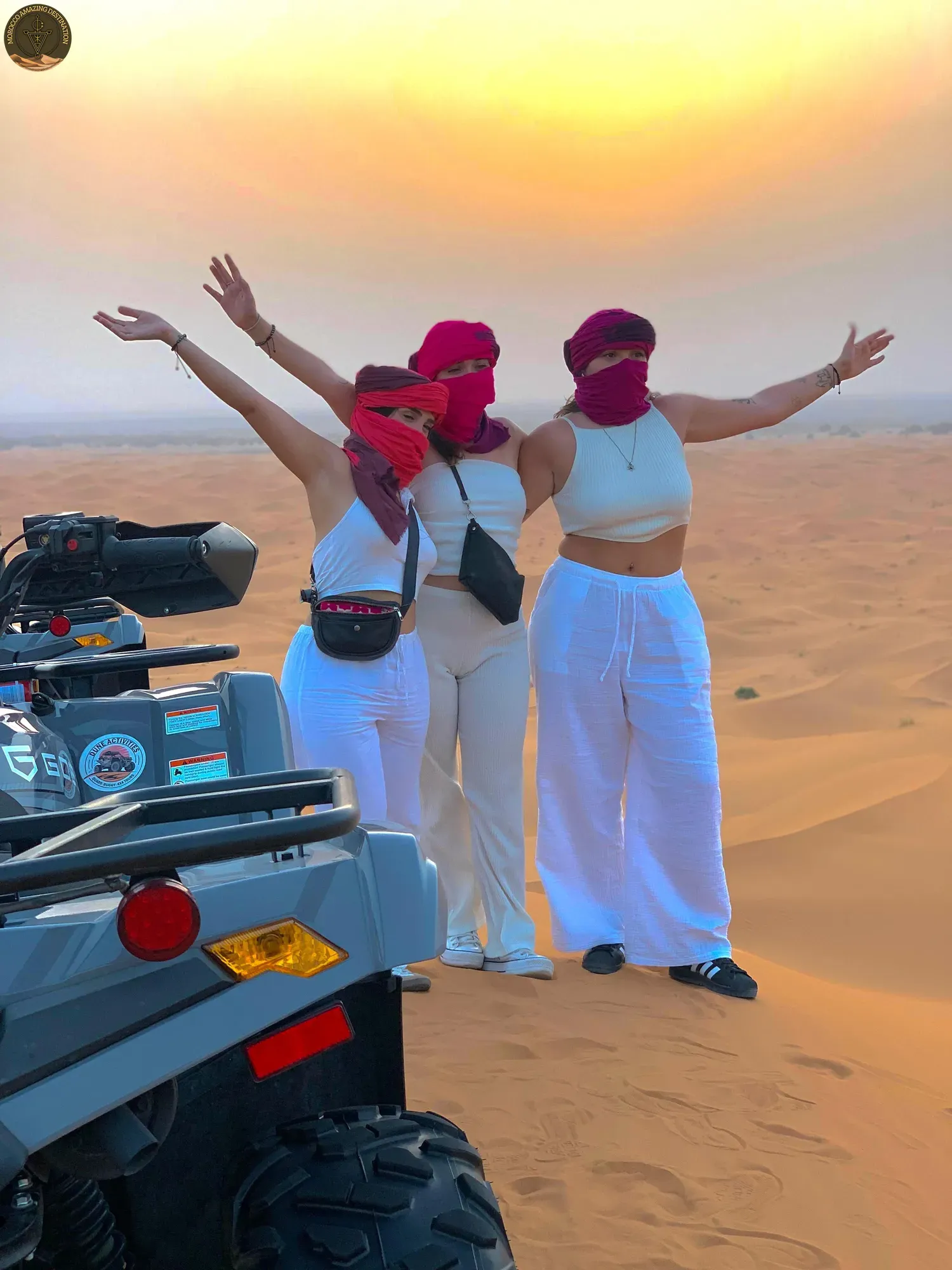
Families are very welcome. Gentle camel rides, family tents and 4x4 transfers instead of camel rides for young children are standard. This is a world away from a big-city medina.
Camp owners know repeat guests are their livelihood, so families get extra patience. Tell your camp about dietary needs in advance and they will adapt the meals.
Tips for a smooth visit:
- Dress modestly: Cover shoulders and knees, especially away from the dunes.
- Use a private driver: Avoid solitary late-night walks on unlit roads.
- Ask first: For photos of local people, always ask permission.
Roads and Desert Driving — The Real Risks
Getting there is the part worth planning. Merzouga has no airport or train, so arrivals are by road: roughly 9–10 hours from Marrakech, 7–8 from Fes and 11–12 from Casablanca. Winter fog, snow and rockfalls can briefly close the N9.
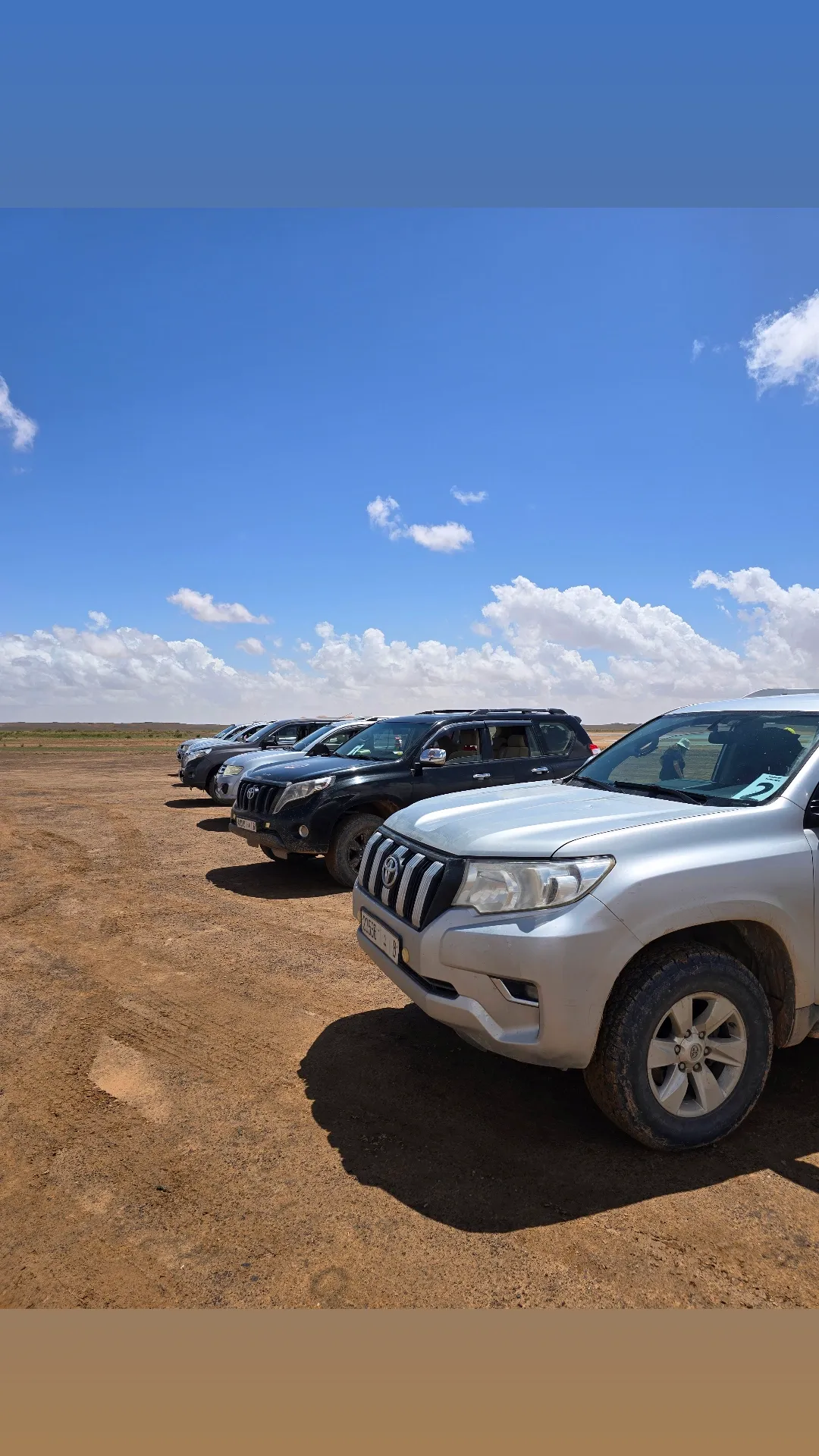
The rule from local driver-guides is simple: do not cross the Tizi n’Tichka pass at night. Dehydration, heatstroke in summer and freezing winter nights are the most likely health issues, so carry water and warm layers.
Many visitors choose a private driver for this reason. A rested local driver knows the pass and the best daylight hours, turning the transfer into scenery.
The main risks to plan for:
- Road fatigue: Long transfers and slow trucks make night driving unsafe.
- Summer heat: Avoid midday exertion when temperatures pass 45 °C.
- Health access: A local clinic serves Merzouga; the hospital is in Errachidia, 1.5–2 hours away.
Plan Your Safe Merzouga Trip
A well-planned trip removes almost all the friction. Merzouga travel safety comes down to a rested, vetted driver, a reputable camp and sensible desert habits.
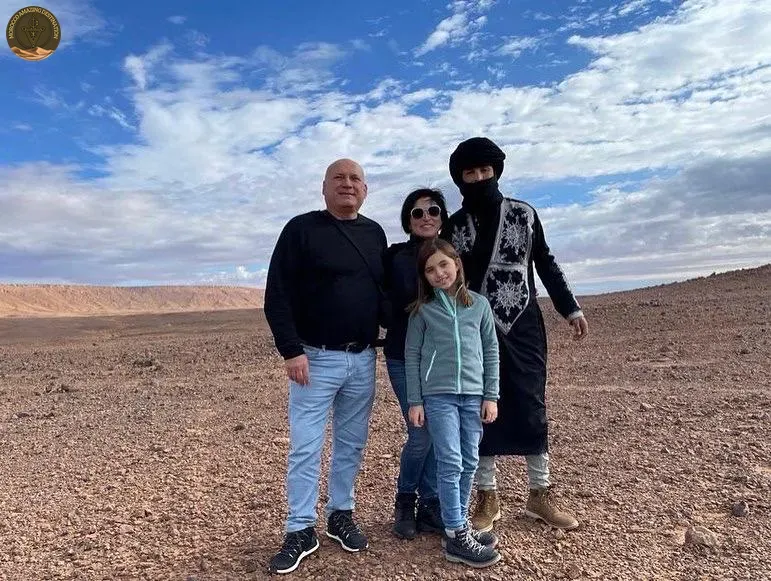
For a classic route, our 4-Day Morocco Desert Tour from Marrakech crosses the Atlas, Ait Ben Haddou and the Dades Valley before a night in the Erg Chebbi dunes. From the north, the 3-Day Desert Tour from Fes to Merzouga reaches camp safely and easily.
We can customize a tour to match your needs — design your perfect itinerary
If you found this helpful, add us as your preferred source on Google.
Frequently Asked Questions
Is Merzouga safe for tourists?
Yes. Merzouga is a small, tourism-dependent Berber village where violent crime against visitors is practically non-existent. The main annoyances are informal touts and inflated prices, not danger. The real risks are environmental: heat, cold nights and long drives.
Is Merzouga safe for solo female travelers?
Solo women visit Merzouga safely year-round. The village is small and social rather than anonymous, and modest dress plus avoiding solitary late-night walks sharply reduces unwanted attention. A private driver and a reputable camp add comfort.
Is it safe to sleep in a desert camp and ride a camel in Merzouga?
Yes. Reputable camps are staffed overnight, lit and usually enclosed by dunes, with real beds and solar power. Camel treks are gentle and beginner-friendly, with calm, trained animals and a short safety briefing before the ride.
Is the area near the Algerian border safe?
Yes. The closed, monitored Algerian frontier lies about 35–40 km east, but standard camel treks and 4x4 routes never approach it. No normal Merzouga itinerary brings you near the border.
Ready for an Adventure?
Have questions? Feel free to contact us using the form below. We're here to help!