
· Travel · 5 min read
Is January a Good Month to Visit Morocco? Full Guide
Is January a good month to visit Morocco? Mild winter sun, clear desert skies and quiet medinas — plus the cold-night trade-offs to plan for.
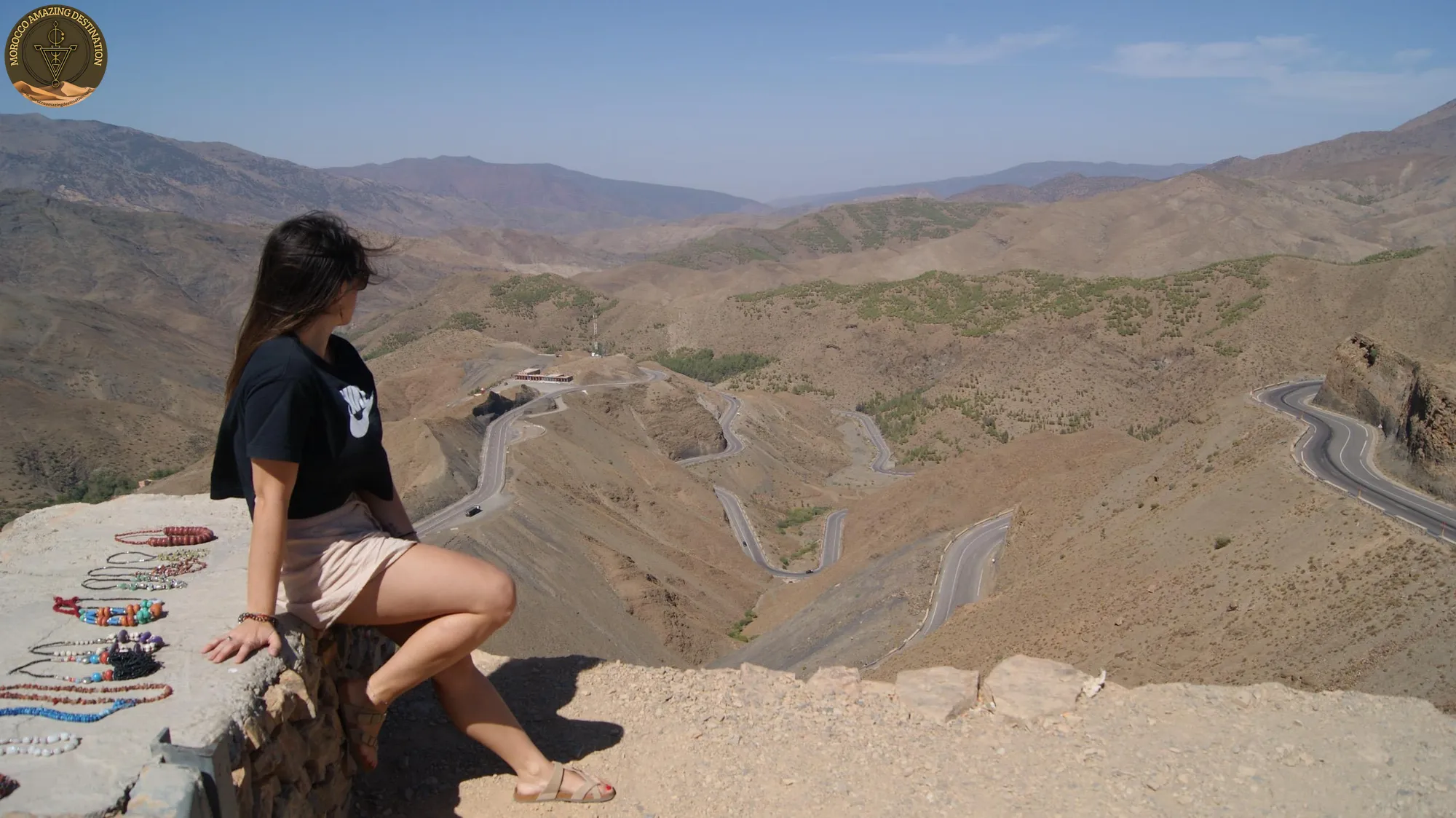
Is January a good month to visit Morocco? Yes — for most travellers it is a smart, underrated choice. Days are mild and sunny, medinas sit at their quietest, and the Sahara serves up the clearest night skies of the year. Think of it as a crisp winter break with two seasons in one day: spring-like afternoons and genuinely cold evenings.
In this guide, we will break down who January suits best, what it unlocks, the honest trade-offs, and how to plan a private trip that works in winter.
Is January a Good Month to Visit Morocco? The Short Answer
January is the coolest month alongside December, but cool here means crisp and bright rather than grey. Marrakech reaches about 18-19°C by day, Agadir stays the warmest winter base at 20-21°C, and the Sahara feels pleasant at 18-20°C after lunch. Rain is modest in the south and heavier in the north.
Morocco weather in January rewards anyone who layers properly: warm sunshine between roughly 11:00 and 16:00, then a sharp drop after sunset. The direct answer is simple — yes, January is a good month if you want winter sun, empty dunes and unhurried cities.
It is a weaker fit only if you need guaranteed beach heat or plan to trek the High Atlas without winter kit. For everyone else it is one of the year’s smartest windows. Photographers, desert campers and families escaping grey northern winters get the most from it.
What January Unlocks: Winter Sun and Clear Desert Skies
What January unlocks better than any other month is atmosphere. The low-season calendar empties the country after the first days of the year, so souks, palaces and viewpoints feel calm, and riads are far easier to book.
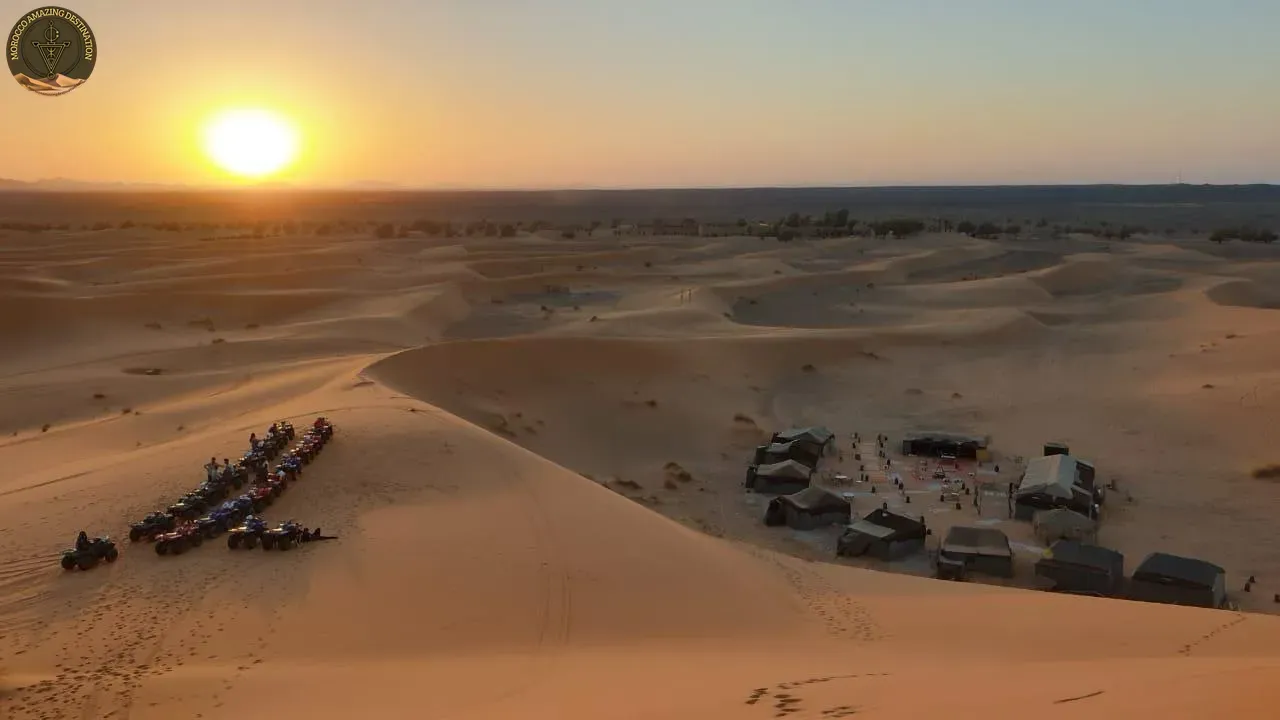
The desert is the standout, and this is the practical meaning of Morocco in January: cooler air, cleaner skies and camps that finally have time for you. Highlights to plan around:
- Clearest skies of the year: the driest air over Merzouga and Erg Chebbi, ideal for stargazing.
- Comfortable desert days: 18-20°C makes camel treks and dune walks genuinely easy.
- Quiet medinas: Marrakech and Fes without summer crowds or midday heat.
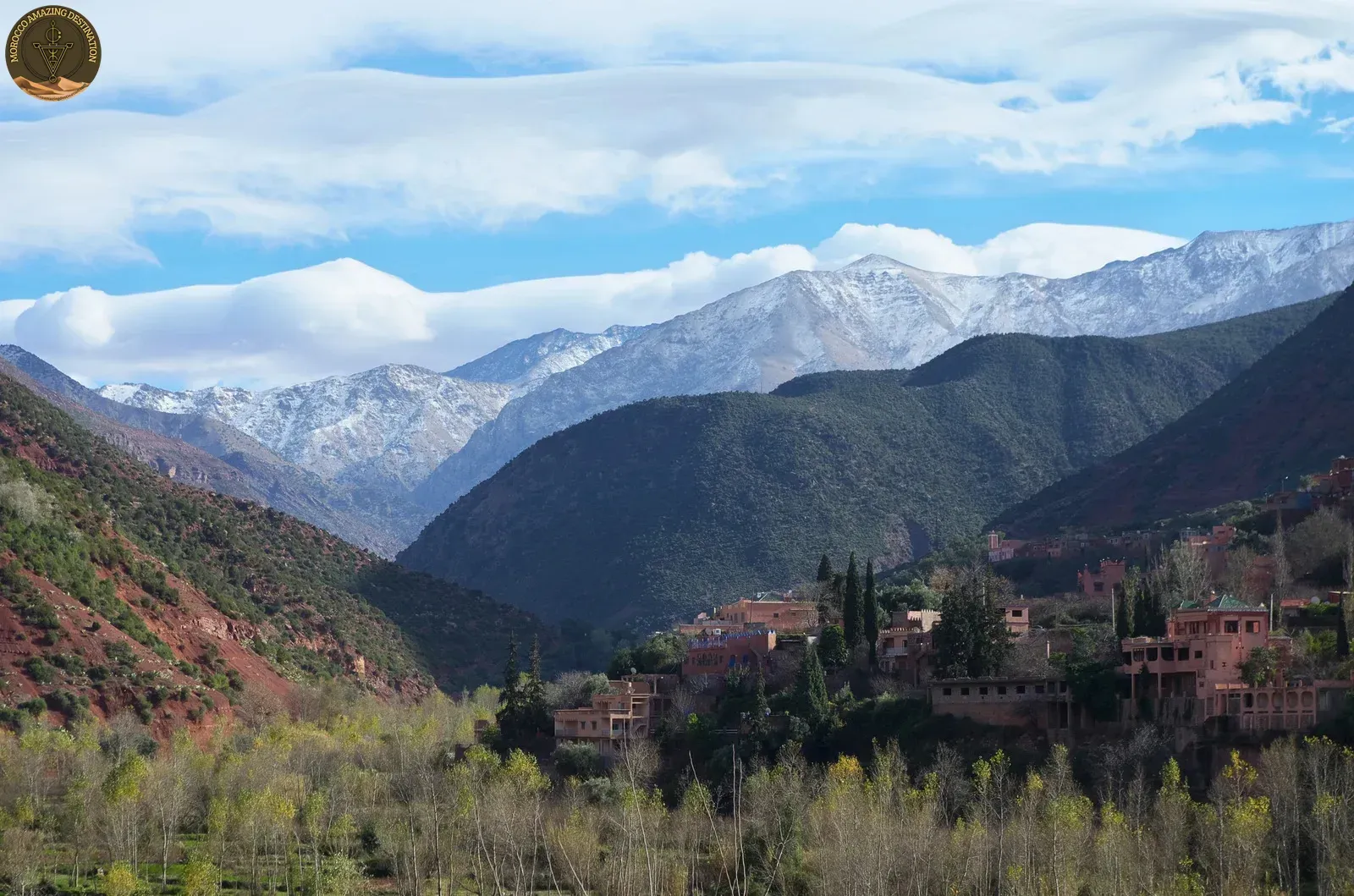
- Photographer’s light: low winter sun, long shadows and snow-dusted Atlas peaks.
- Atlantic surf season: Taghazout and Essaouira fire on all cylinders.
Cooler air also makes long sightseeing days pleasant, so you cover more ground without wilting at noon. Because the desert empties out, you often get dunes, viewpoints and camps largely to yourself.
Where January Works Best: Marrakech, Sahara and Agadir
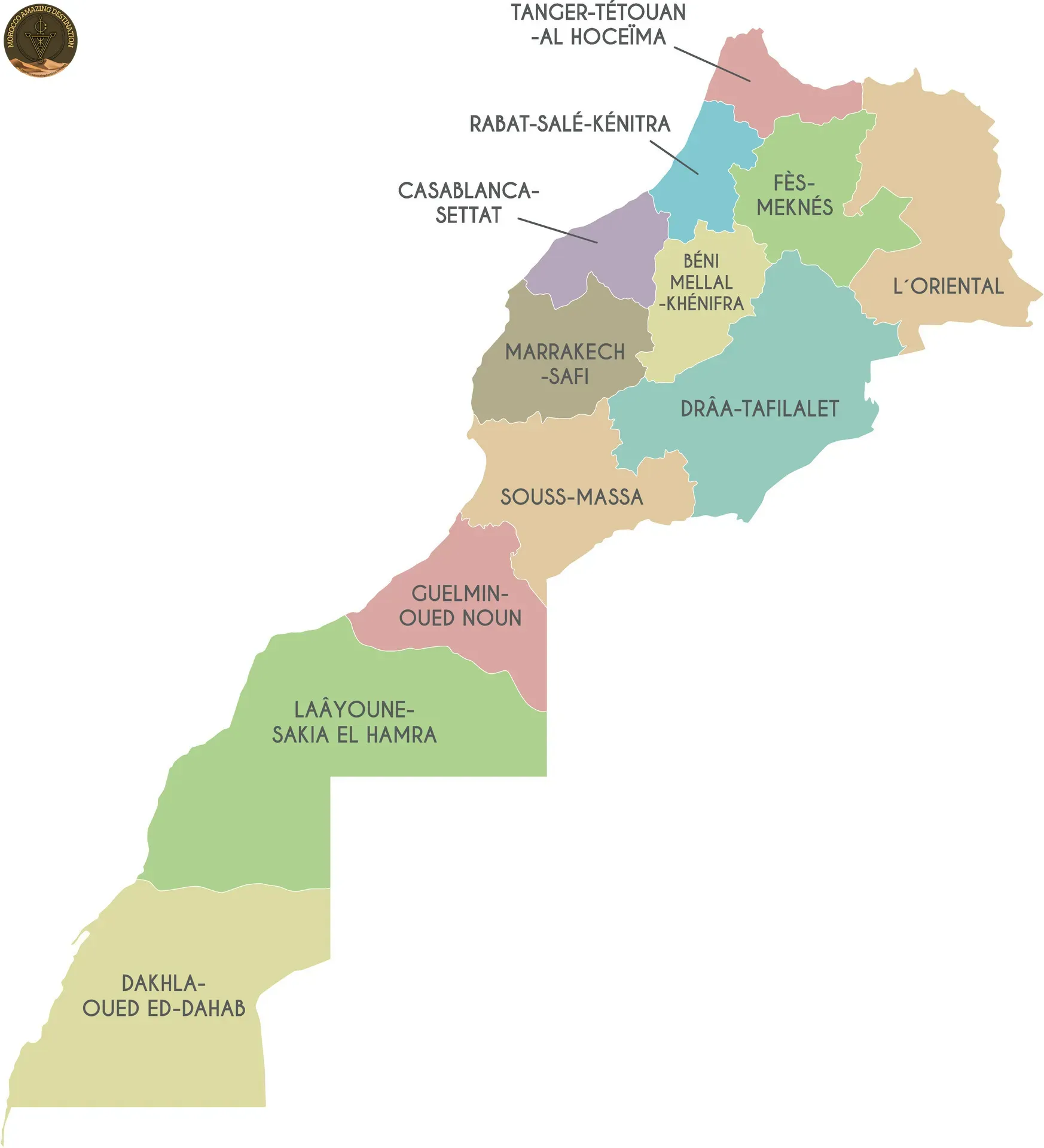
January favours the south and the imperial cities, where winter conditions are at their most rewarding. The best time to visit Morocco depends on what you want, but for a calm, sunny winter trip these bases deliver.
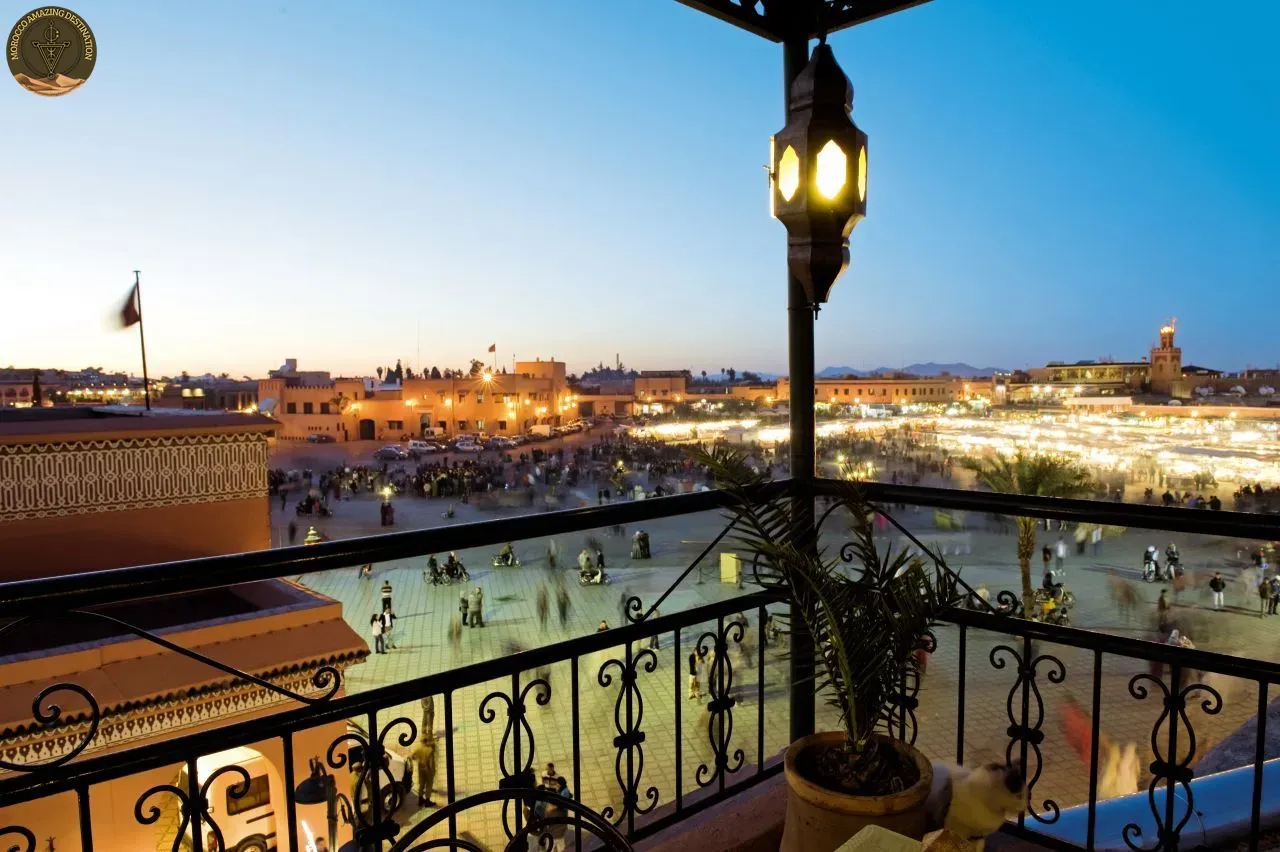
- Marrakech: mild, walkable and atmospheric, the classic winter base.
- Merzouga and Erg Chebbi: 18-20°C days, the clearest skies of the year and fewest visitors.
- Agadir and Taghazout: the warmest, most reliable winter-sun and surf bases.
- Essaouira: mild but breezy — lovely for a coastal break.
- Fes and Chefchaouen: colder and occasionally wet, yet deeply atmospheric.
Ait Benhaddou, the Dades Valley and Ouarzazate stay rewarding, and cooler weather makes long transfers comfortable. Head north only if you accept rain and pack a rain shell.
The Honest Trade-Offs: Cold Nights, Short Days and Atlas Snow
January is not perfect, and the trade-offs are worth planning around before you book.
- Cold nights: cities fall to roughly 4-12°C and the Sahara to 0-6°C, often near freezing.
- Short days: about 10 hours 20 minutes of daylight, so start outdoor highlights early.
- Northern rain: Tangier, Chefchaouen and Fes are noticeably wetter through winter.
- Atlas snow: above roughly 2,500 m, and the Tizi n’Tichka pass can briefly delay travel.
- Cool sea: the Atlantic sits at only 17-19°C, so this is not a sunbathing month.
Night temperatures fall fast after sunset, so bring a warm jacket, hat and gloves even if the afternoon felt like spring. If reliable heat matters most, October and November are stronger picks, while March to April brings green valleys and longer daylight. For the full region-by-region detail, see our January weather breakdown.
Plan Your January Trip with a Private Itinerary
With the right plan, January is easy. A private itinerary lets you move with the sun, start early and end each day somewhere warm. Aim for the days after the New Year window for the best value and calmest medinas. Book riads, desert camps and drivers two to three months ahead if you travel over New Year.
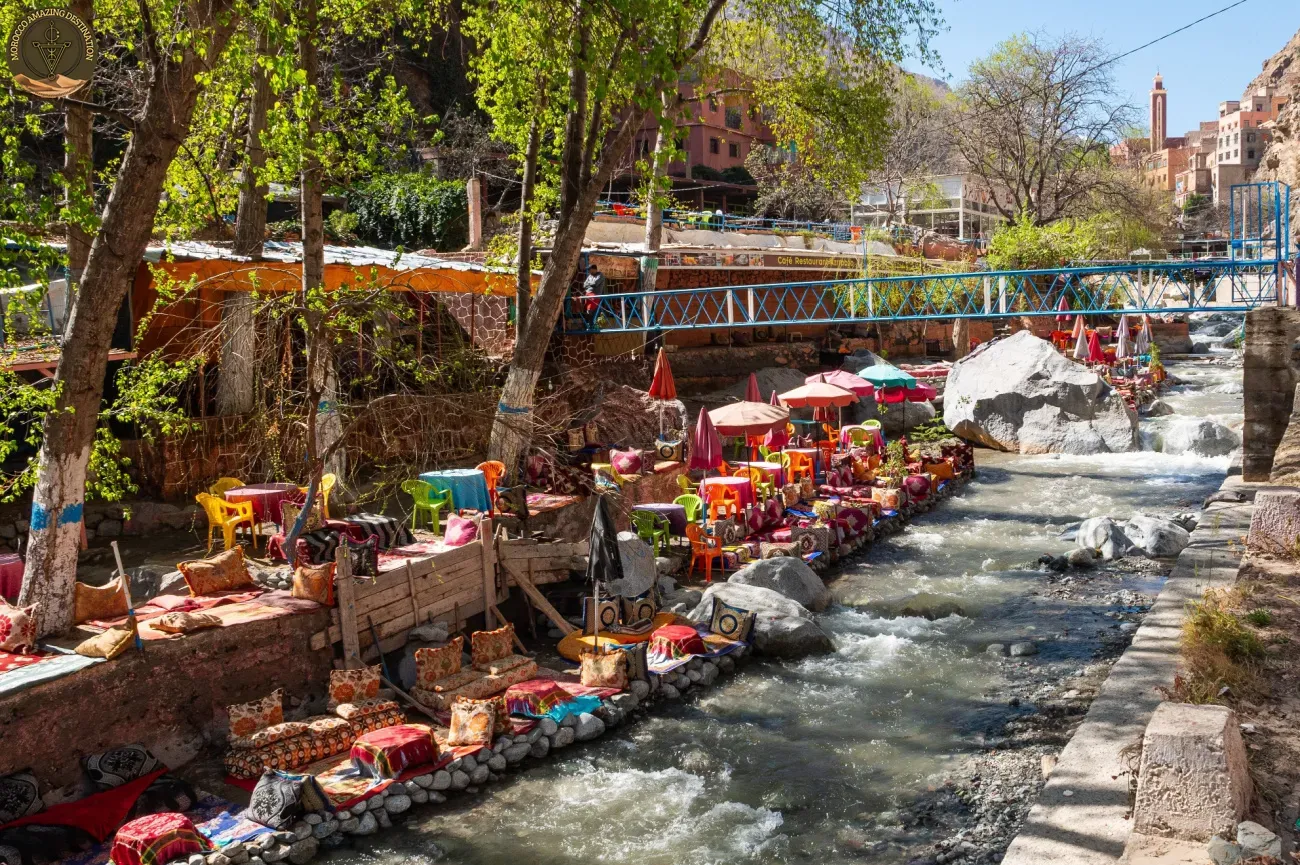
Two trips suit January especially well. The 8-Day Morocco New Year Tour: Fez, Sahara, Marrakech & Cultural Highlights is built for the festive period, while the 7-Day Agadir to Merzouga Desert Tour pairs winter sun with the Sahara’s clearest skies.
For a fair comparison, see our December guide. We handle the cold nights for you — heated camps and well-insulated riads keep winter comfortable.
We can customize a tour to match your needs — design your perfect itinerary
If you found this helpful, add us as your preferred source on Google.
Frequently Asked Questions
Is January a good month to visit Morocco?
Yes, for most travellers. January brings mild, sunny days, quiet medinas and the clearest desert skies of the year, with crisp rather than gloomy weather. Only guaranteed beach heat is off the table.
Is it too cold for the Sahara in January?
No. Daytime desert temperatures in Merzouga and Erg Chebbi sit around 18-20°C, though nights fall to 0-6°C. Choose a camp with real heating and heavy blankets, and pack warm layers.
What should I pack for Morocco in January?
Pack for two seasons: a warm jacket, fleece, hat and gloves for cold evenings, plus light clothing for sunny afternoons. Add walking shoes, sunscreen and a rain shell for northern cities.
Is January cheaper and quieter in Morocco?
Yes, outside the first days of the year. After the New Year window prices drop, riads are easier to book, and the main sights feel calm — one of the best-value months of the year.
Ready for an Adventure?
Have questions? Feel free to contact us using the form below. We're here to help!