
· Travel · 5 min read
Is Casablanca Safe? Guide for Tourists, Night & Safety Tips
Is Casablanca safe for your trip? Get a clear verdict on areas, night safety and practical tips to explore the city with confidence.
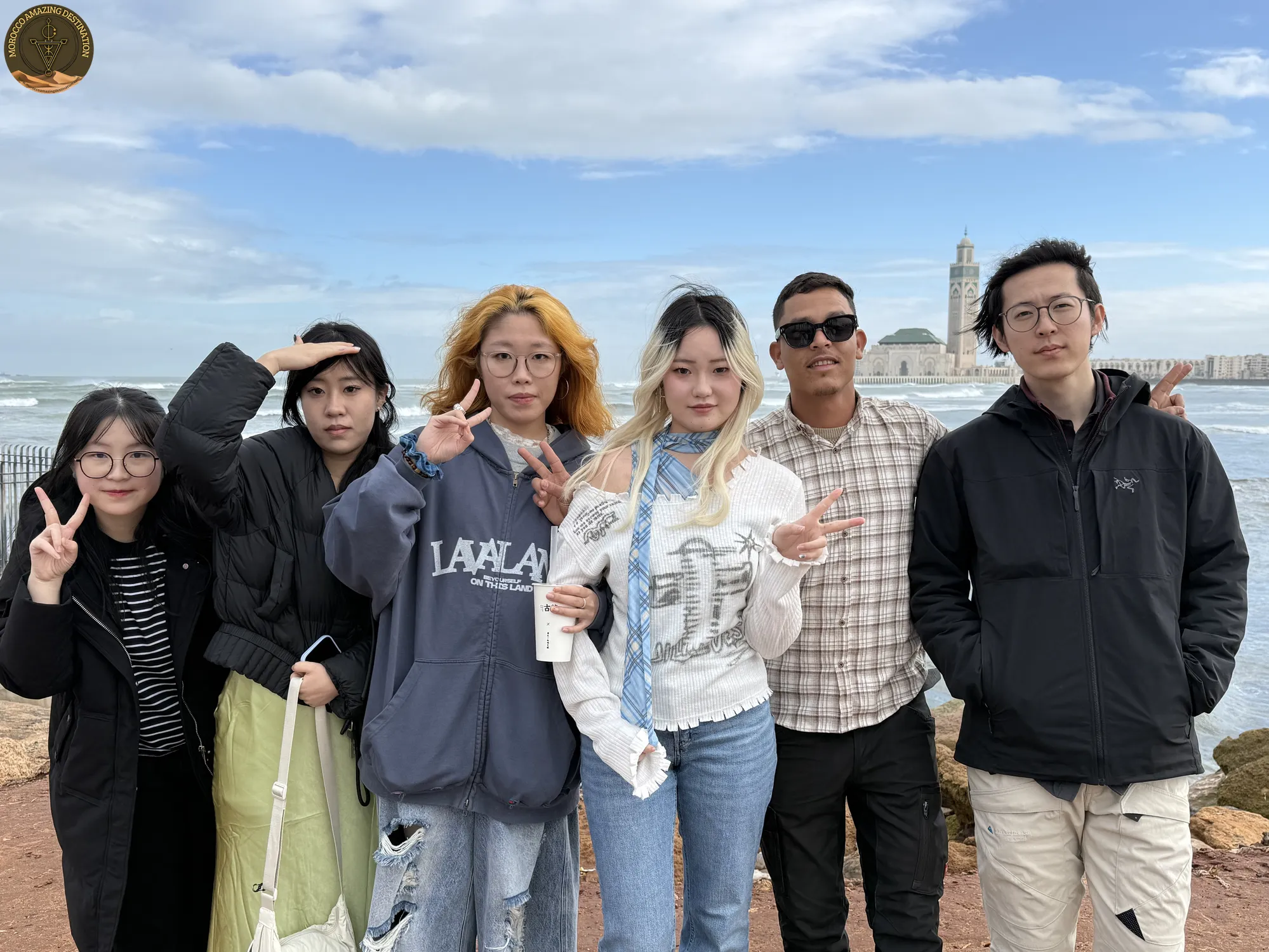
Wondering is Casablanca safe before you book? The short answer is yes — is Casablanca safe for tourists who use normal big-city sense, with violent crime rare and tourist zones well policed. Day-to-day risks are petty theft, phone snatching and taxi overcharging.
In this guide we break down what advisories say, which neighborhoods are safe or to avoid, and how is Casablanca safe at night works for solo travelers.
Is Casablanca Safe? What Advisories Say
Casablanca is broadly judged safe with ordinary city sense. Guides score it 61 to 73 out of 100 — low violent crime and medium petty crime — with no terror incident affecting tourist areas reported recently.
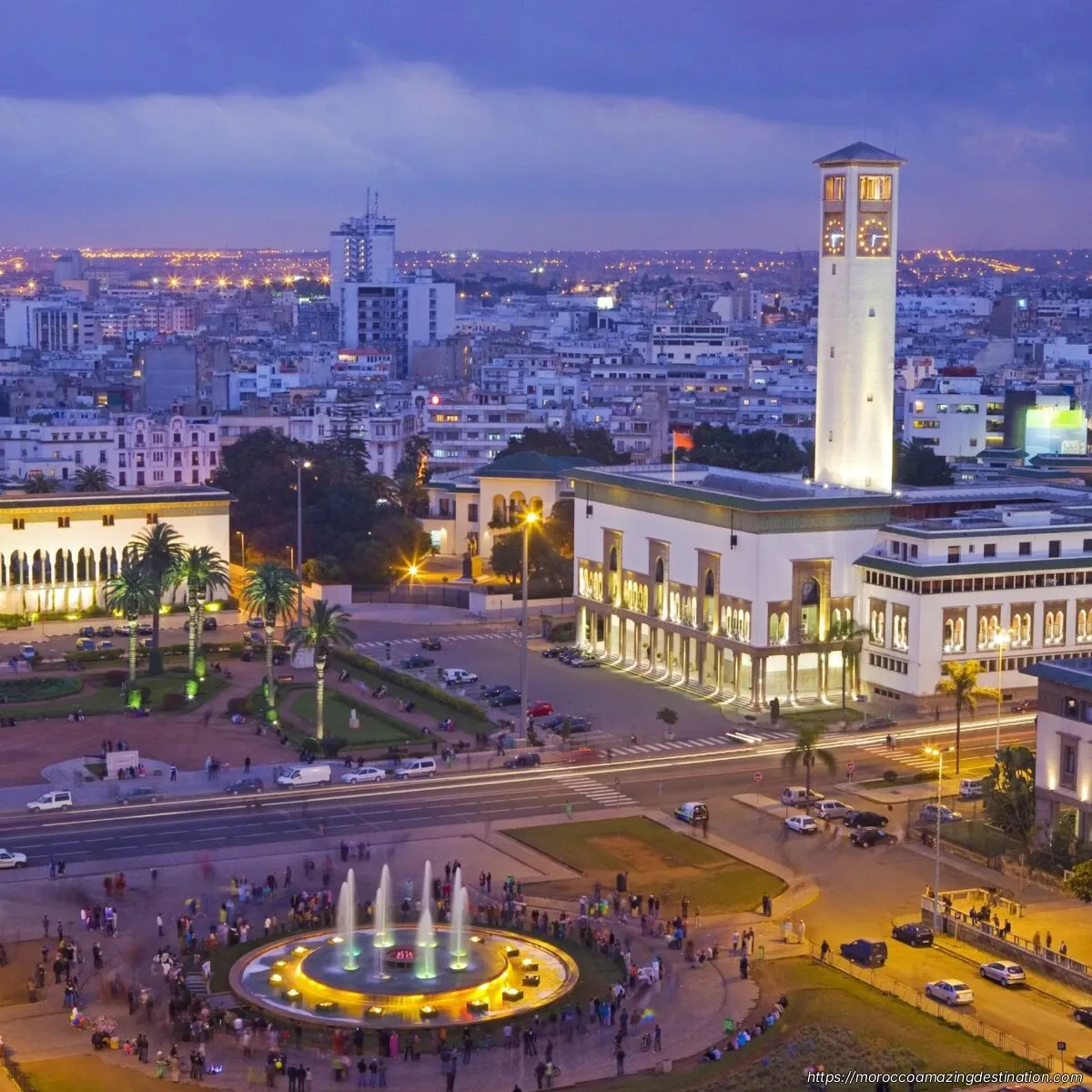
Official consensus is reassuring. The US Department of State rates Morocco Level 2: Exercise Increased Caution for terrorism nationally, while the UK Foreign Commonwealth & Development Office has no advisory against travel to the Casablanca-Rabat corridor. The Government of Canada advises a high degree of caution. The US OSAC report notes risks focused on pickpocketing and bag theft, with low firearm availability.
What official sources agree on:
- Level 2 nationally: increased caution for terrorism, not a no-go.
- No regional restriction: Casablanca, Rabat and the Atlantic coast are open.
- Real risk is petty: crowds around markets, stations and the tram.
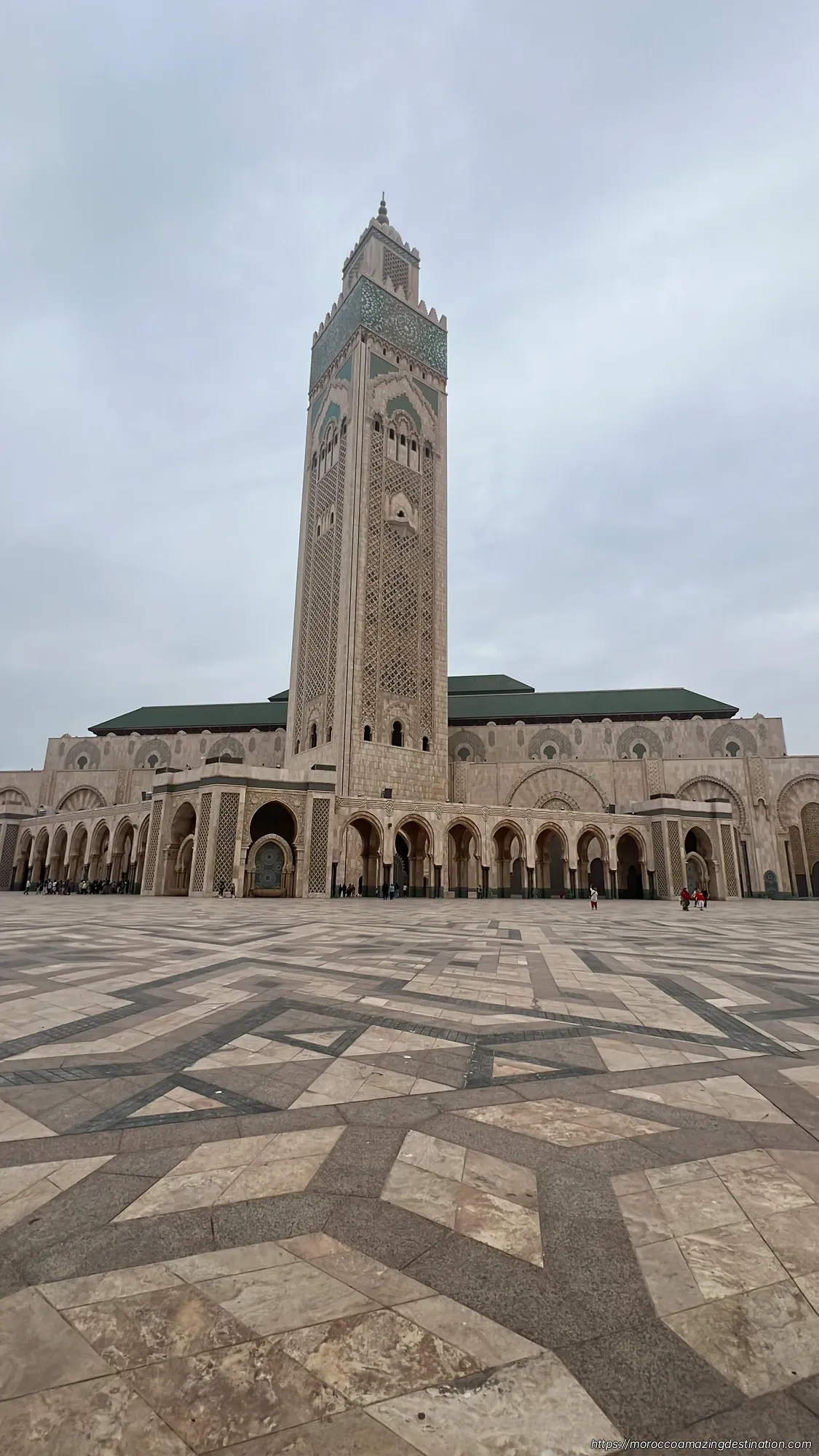
- Police visible: tourist zones and Hassan II Mosque area are well patrolled.
The Medina and Central Neighborhoods — Safe Areas vs Places to Avoid
The city rewards knowing where to stay. The most comfortable bases for visitors are Gauthier, Anfa, Maarif, Racine and Ain Diab along the Corniche — all walkable, café-filled and well-lit in the evening. Downtown around Place des Nations Unies is central and busy by day.
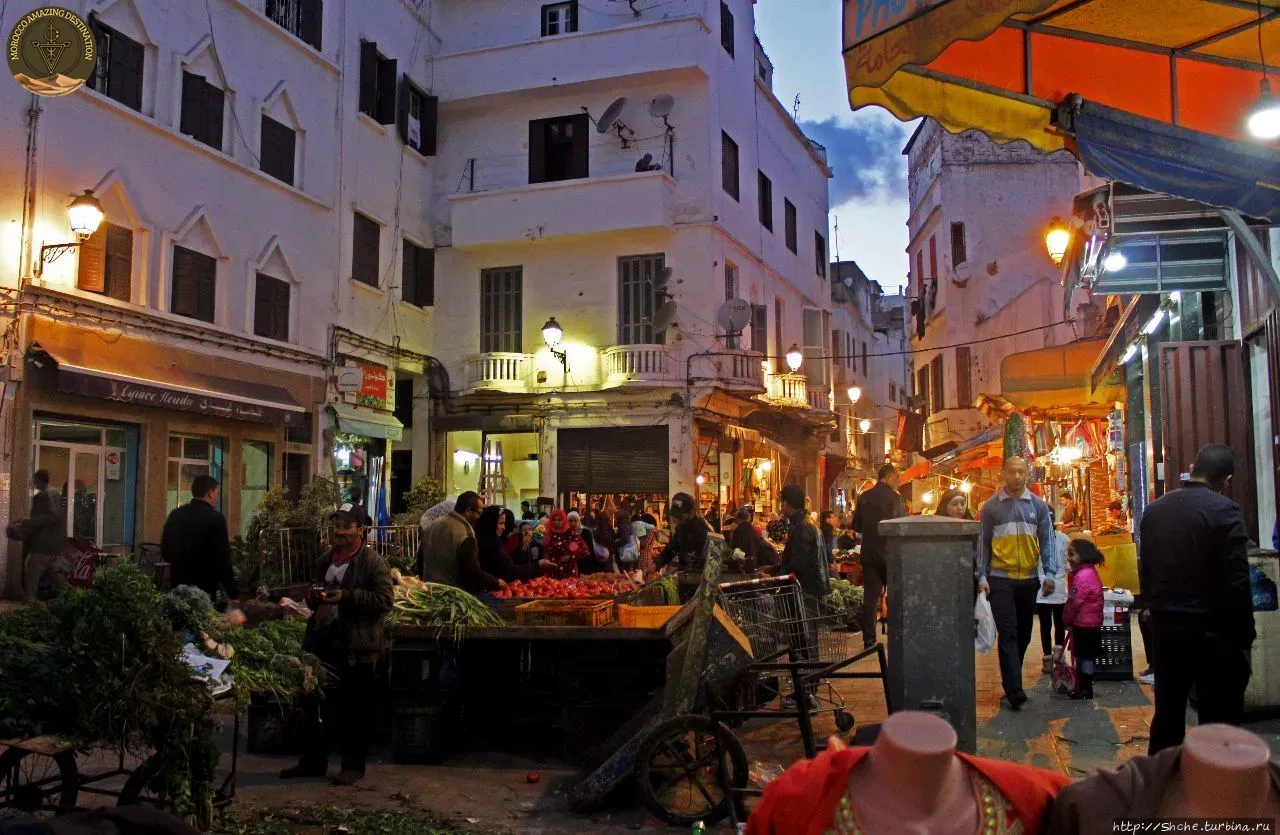
The Old Medina is small and worth about an hour by day, with sea walls and port views. Keep your bag in front and phone away, especially near Marché Central and the Casa Port and Casa Voyageurs stations at peak times. The Habous, or New Medina, is calmer and better for relaxed shopping. At night those historic cores empty quickly and alleys are poorly lit, so plan to taxi.
Avoid Sidi Moumen, Hay Mohammadi, Derb Sultan and the Ouled Ziane surroundings after dark. You have no tourist reason to go there.
Common annoyances to deflect:
- Mosque closed claim: only the official ticket office at Hassan II Mosque sells entry — ignore touts offering VIP access.
- Friendly guide hook: an overly helpful stranger walks you to a shop and demands payment.
- Gift traps: henna, rosemary or moneychangers offering help then asking for cash.
Casablanca Art Deco Centre and Tram — Getting Around Safely
Moving around is straightforward if you use the modern options. The tram lines T1 to T3 are clean, modern and safe, and a ride costs a few dirhams. Keep your phone in a front pocket at the busiest stops such as Casa-Voyageurs and Place des Nations Unies.
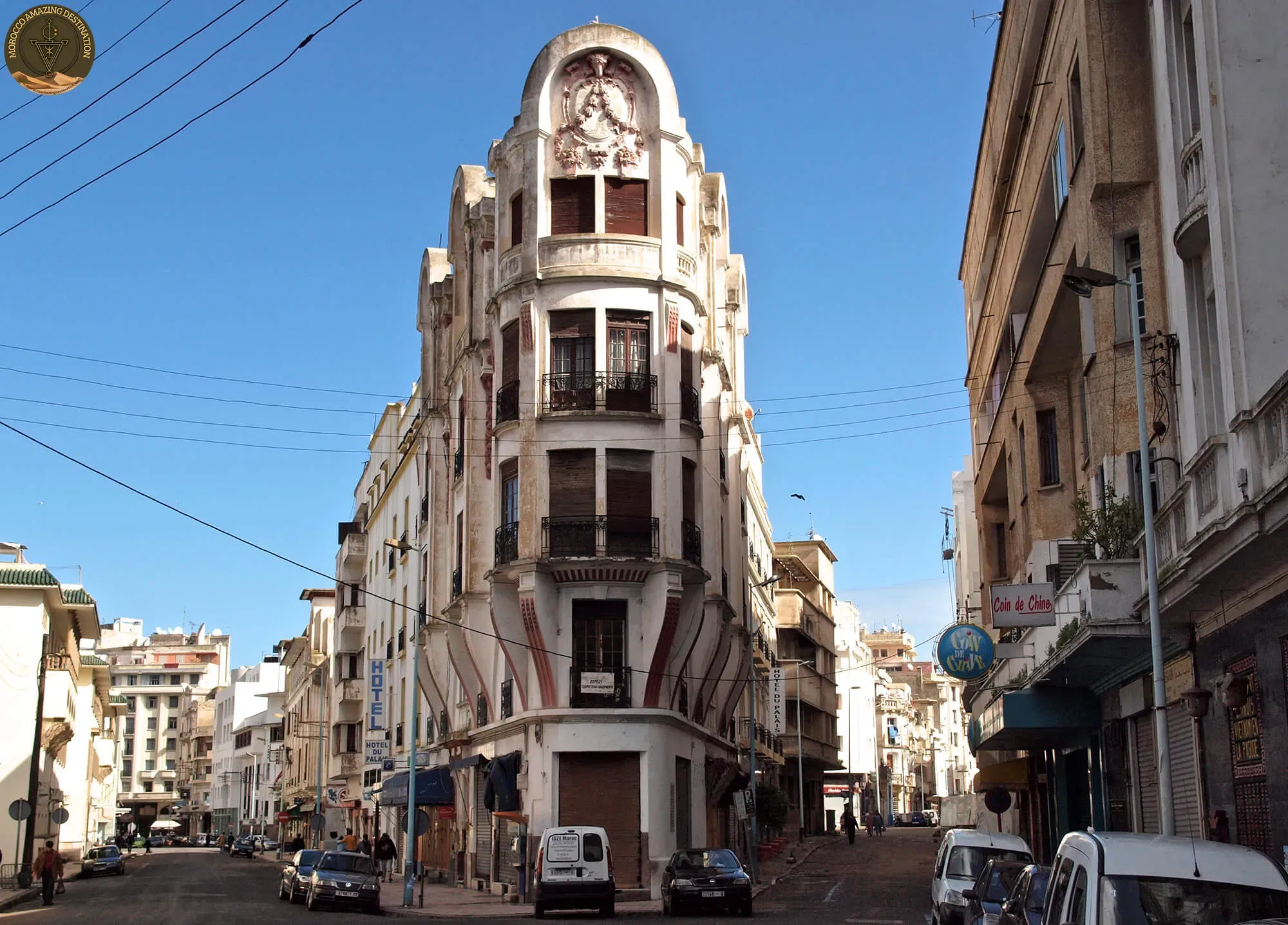
Petits taxis are red and metered by law for trips inside the city. Many drivers refuse the meter for tourists. Say avec le compteur please or agree a flat fare before you get in. Grands taxis in white handle airport and intercity routes.
Ride-hail apps remove haggling and are useful after dark. The ONCF Casa Port airport train is the cheapest link and reaches the centre in under an hour. Traffic is the most likely safety risk. Use marked crossings and do not assume cars will stop.
Getting around checklist:
- Tram first: modern, frequent, avoids traffic.
- Taxi smart: insist on the meter or fix the price upfront.
- Train to airport: ONCF Casa Port train is steady and low-stress.
- Walk alert: cross with purpose and watch for mopeds on sidewalks.
Casablanca at Night — Safety and Solo Female Travel Tips
Wondering is Casablanca safe at night? In the right districts, yes. Anfa, Maarif, Gauthier and the Ain Diab Corniche stay active late with families, joggers and diners. Stick to lit avenues and take a taxi between neighborhoods rather than cutting through empty side streets or the Old Medina after shops close.
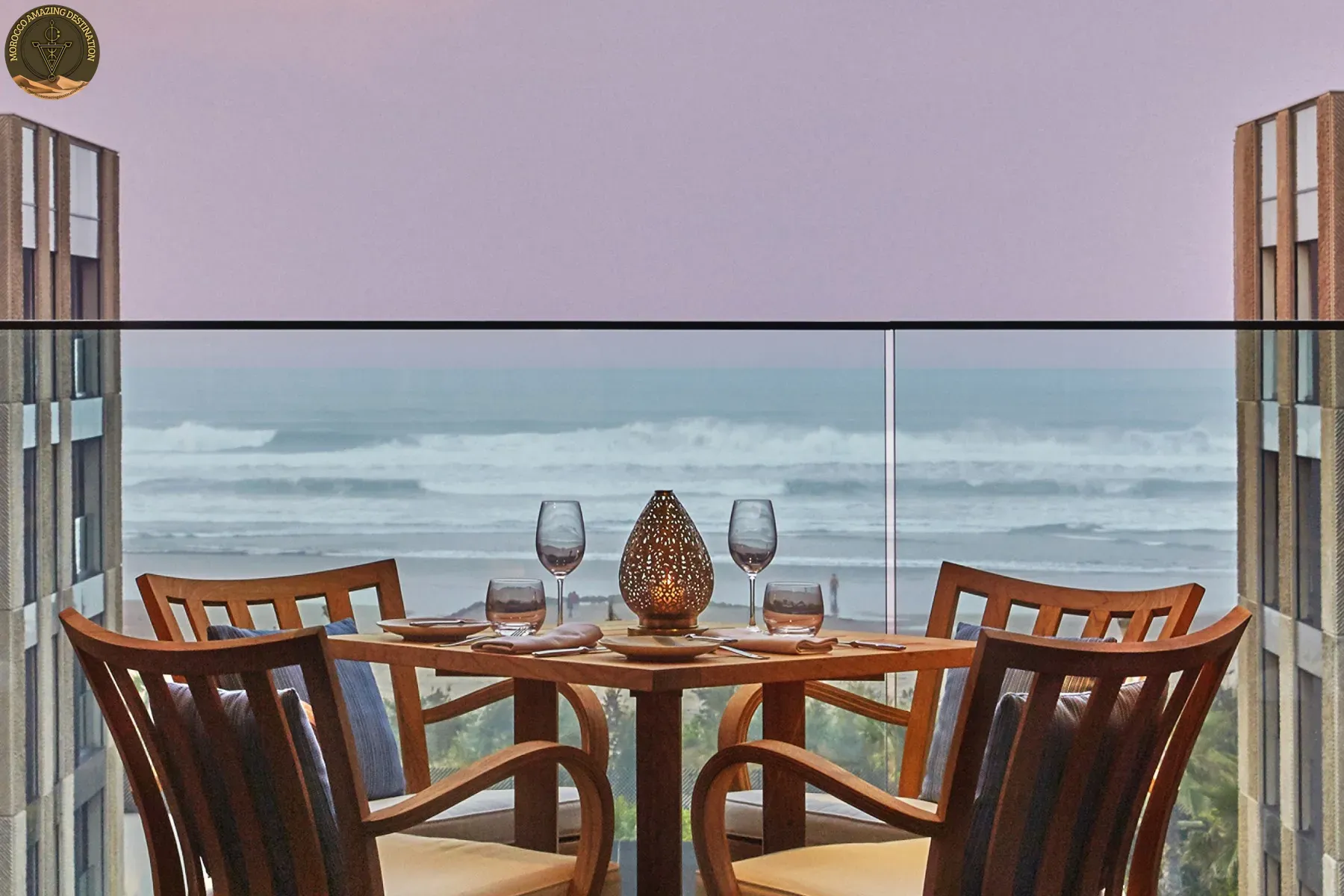
Casablanca is among Morocco’s most liberal cities. Women work and sit alone in cafés without issue, which makes solo travel easier. Staring or unsolicited comments can happen in crowded areas and on the tram. It is usually annoying rather than threatening.
Private transport removes most friction. A vetted driver means no taxi negotiation and door-to-door ease from dinner to riad.
Night and solo tips:
- Stay central: choose Gauthier or Anfa to walk to dinner.
- Use ride-hail or private driver: after dark point-to-point is simplest.
- Deflect calmly: no eye contact, walk with purpose, ignore comments.
- Dress modestly: covers shoulders and knees helps reduce unwanted attention.
- Keep valuables discreet: front pockets for phones, cross-body bags zipped.
Casablanca Safety Tips for a Hassle-Free Visit
A few habits make the visit easy. Casablanca safety tips are big-city basics with local nuance. Travel light in markets and let your local team handle logistics.
Traffic awareness matters more than crime worry. Keep copies of your passport on your phone and leave originals in your hotel safe. Emergency numbers are Police 19 and Ambulance 15, with Gendarmerie 177 outside urban areas.
Quick habits that help:
- Bag front in crowds: medina, markets and tram at rush hour.
- Phone away when idle: mopeds can snatch from the roadside.
- Only official tickets: Hassan II Mosque at the mosque gate.
- Agree prices early: taxis, souk purchases and impromptu guides.
- Hydrate and pace: coastal wind can mask strong sun.
With central neighborhoods, the tram and a reliable driver, the city feels busy, modern and very manageable for a first trip.
For a seamless start and finish in Casablanca, consider the 14-Day Morocco Tour from Casablanca that loops through Chefchaouen, Fes, the Merzouga dunes and Marrakech with a private driver and hand-picked stays. If you want a shorter focus on imperial cities and desert, the 8-Day Imperial Cities and Desert Tour from Casablanca pairs Fes and the Sahara with a smooth return to the coast.
We can customize a tour to match your needs — design your perfect itinerary
If you found this helpful, add us as your preferred source on Google.
Frequently Asked Questions
Is Casablanca safe for tourists?
Yes, Casablanca is considered safe for tourists who use normal big-city precautions. Violent crime against visitors is rare, tourist areas have visible police, and the city feels calmer than Marrakech or Fes for first-time visitors.
Is Casablanca safe at night?
Central districts like Anfa, Maarif, Gauthier, Racine and the Ain Diab Corniche stay busy and well-lit at night and are comfortable to walk or dine in. Take a taxi back after dark if you visit the Old Medina or quieter central streets.
Which areas in Casablanca are safe and which should I avoid?
Stay in Gauthier, Anfa, Maarif, Racine and Corniche-Ain Diab. The Old Medina and Habous are fine by day. Avoid Sidi Moumen, Hay Mohammadi, Derb Sultan and industrial outskirts at night where there is no reason for visitors to go.
Is Casablanca safe for solo female travelers?
Casablanca is among Morocco’s most liberal cities and many women travel solo with ease. Expect occasional staring or comments in busy areas; ignoring, dressing modestly and using the tram, ride-hail or a private driver at night helps you move with confidence.
Ready for an Adventure?
Have questions? Feel free to contact us using the form below. We're here to help!