· Travel · 7 min read
How Old Is Morocco? Discover the Fascinating History of a Timeless Kingdom
How old is Morocco? From ancient Amazigh civilizations to modern independence, discover the layered history of this timeless North African kingdom with roots spanning over 1,200 years.
How Old Is Morocco? The Answer Is More Than a Number
Ask someone how old is Morocco and you will get different answers depending on what they mean. Over 1,200 years as a kingdom? Over 3,000 years of civilization? Or a little over 70 years as an independent modern state? The truth is all three — and each answer reveals a different layer of one of the world’s most enduring nations.
Unlike most countries whose age can be fixed to a single founding date, Morocco’s identity has been shaped over millennia by Amazigh tribes, Arab conquerors, great Islamic dynasties, and European influence. Understanding how old Morocco is means understanding this layered timeline — and that is what makes it such a fascinating destination.
Whether you are a history enthusiast planning a trip or simply curious about Morocco history and age, this guide walks you through the key moments that define the age of this timeless kingdom.
The Deep Roots: Morocco Before Recorded History
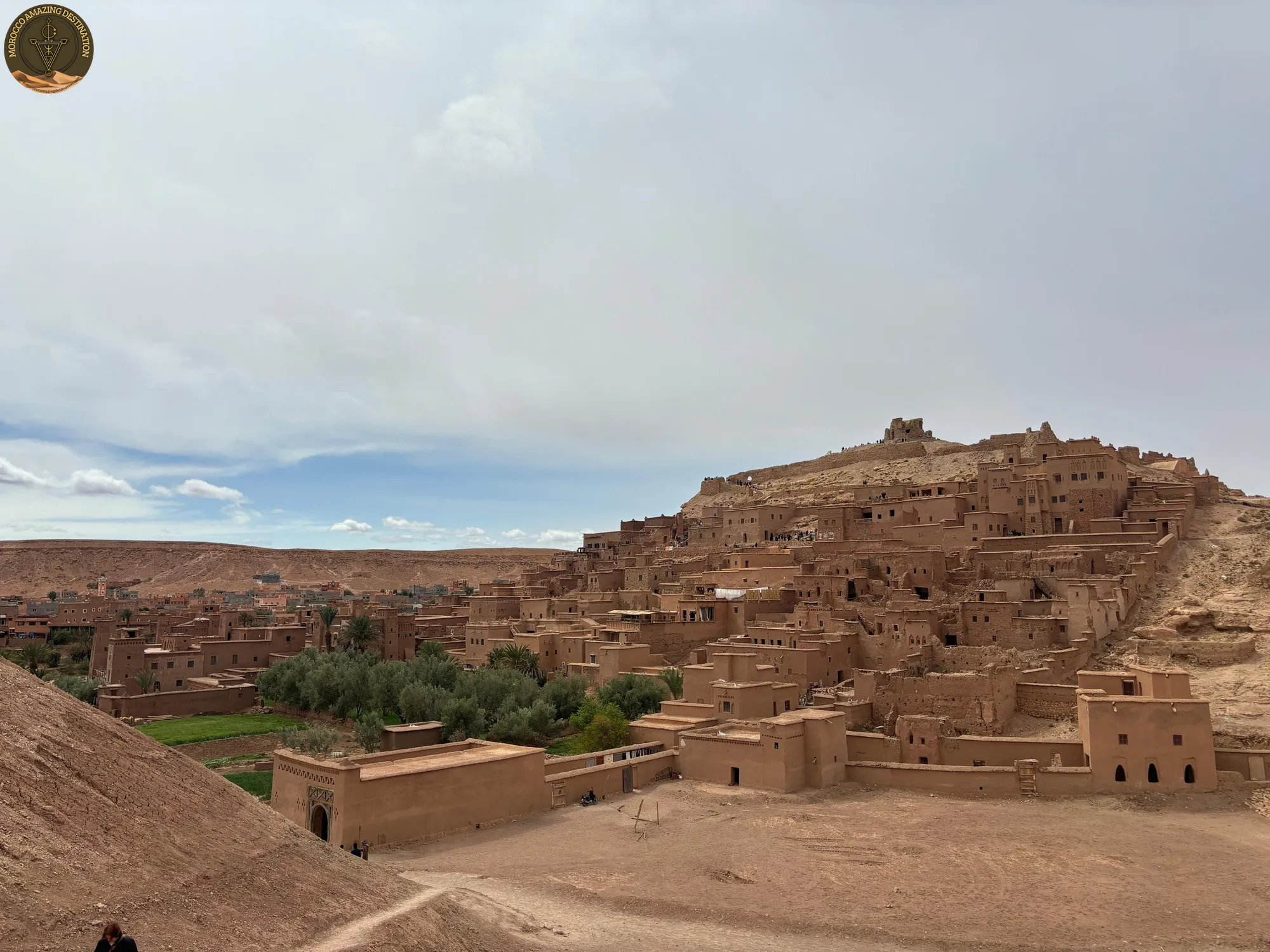
Long before the Morocco founding date was ever written down, the region was home to the Amazigh (often called Berbers), the indigenous people of North Africa. Archaeological evidence places Amazigh cultures in present-day Morocco as far back as the Neolithic period, at least 5,000 years ago. Rock carvings in the High Atlas, ancient burial mounds, and pre-Islamic settlements confirm that Moroccan civilization is among the oldest in Africa.
The Amazigh were not a single unified kingdom but a network of tribes with their own dialects, customs, and governance systems. They traded with the Phoenicians, fought and allied with the Romans, and built fortified granaries (igoudar) that still dot the landscape today. This indigenous foundation is the bedrock upon which everything else was built — and it explains why how old Morocco is defies a simple answer.
The Idrisid Dynasty: Morocco’s First Islamic State (788 AD)
If you are looking for the most widely accepted Morocco founding date, historians point to 788 AD. That is the year Idris I — a descendant of the Prophet Muhammad fleeing persecution in the Abbasid Caliphate — arrived in Volubilis and united local Amazigh tribes under the banner of Islam.
This moment marks the birth of the first Moroccan state. Idris I was proclaimed imam and ruler, founding the Idrisid dynasty. His son, Idris II, later founded the city of Fes in 789 AD, which became the kingdom’s first imperial capital and the intellectual heart of the Islamic West.
Fes would go on to house the University of al-Qarawiyyin (founded 859 AD), recognized by UNESCO and Guinness World Records as the oldest continuously operating university in the world. By the time Charlemagne was crowned Holy Roman Emperor in 800 AD, Morocco already had a functioning state with a defined capital, a mint, and diplomatic relations across the Mediterranean.
Key dates:
- 788 AD: Idris I establishes the first Moroccan Islamic state
- 789 AD: Idris II founds Fes, Morocco’s first imperial capital
- 859 AD: The University of al-Qarawiyyin is founded
This means Morocco has existed as a political entity for over 1,200 years — making it one of the oldest continuous states in the world.
The Great Berber Dynasties: Almoravids and Almohads
The next major chapter in Morocco history belongs to two powerful Amazigh dynasties that would reshape North Africa and beyond.
The Almoravids (1040–1147) Emerging from the Sahara Desert, the Almoravids were a Berber confederation that unified western North Africa and parts of Spain under a single empire. In 1070, they founded Marrakech as their capital — a city that would eventually give its name to the entire country. At its peak, the Almoravid Empire stretched from what is now Senegal to the Pyrenees.
The Almohads (1121–1269) Replacing the Almoravids, the Almohads built an even larger empire. Under their rule, Morocco reached its medieval zenith, with Marrakech, Fes, and Seville becoming centers of philosophy, science, and the arts. The Koutoubia Mosque, the Giralda of Seville, and the Hassan Tower of Rabat all date from this period.
These dynasties cemented how old Morocco is at a cultural and architectural level. Walk through any Moroccan medina today — Marrakech, Fes, Rabat, Meknes — and you are walking through cities that were already thriving 900 years ago.
The Marinids, Saadians, and the Rise of the Alaouites
The Marinid dynasty (1244–1465) shifted the capital back to Fes and left an indelible mark on Moroccan architecture. The Bou Inania Madrasa and the intricate zellige tilework that defines Moroccan design flourished under Marinid patronage.
The Saadian dynasty (1510–1659) brought a golden age to Marrakech, repelling Portuguese invasions, building the magnificent El Badi Palace, and leaving behind the exquisite Saadian Tombs. Under Sultan Ahmad al-Mansur, Morocco became a major global power — the “Golden King” who controlled trans-Saharan trade routes and received embassies from England, France, and the Ottoman Empire.
The Alaouite dynasty, which still rules Morocco today, came to power in 1666. That is over 350 years of continuous rule by a single dynasty — one of the oldest reigning royal houses in the world. The current king, Mohammed VI, is the 23rd monarch of the Alaouite line.
The Modern Era: Protectorate and Independence (1912–1956)
When people ask how old is Morocco as a country in the modern sense, they are often thinking of independence. In 1912, France and Spain divided Morocco into protectorates, ending centuries of full sovereignty. While the Alaouite sultan remained nominally in power, real control shifted to European administrators.
This period lasted until March 2, 1956, when Morocco regained its independence under Sultan Mohammed V, who later took the title of King. If measured from this date, Morocco is over 70 years old as a modern independent nation-state.
Yet what makes Morocco unique is that independence did not create a new country — it restored an ancient one. The Alaouite monarchy was not invented in 1956; it was continued. Fes was already over 1,100 years old by the time independence was restored. This is the crucial distinction: Morocco’s modern independence marks a chapter, not the beginning.
So, How Old Is Morocco Really?
The answer depends on what you measure:
- Ancient civilization: Over 5,000 years of Amazigh presence in the region
- First Islamic state: Over 1,200 years (since the Idrisid dynasty, 788 AD)
- Current Alaouite dynasty: Over 350 years (since 1666)
- Modern independent nation: Over 70 years (since 1956)
Each of these layers is alive and visible in today’s Morocco. You can visit Roman ruins at Volubilis in the morning, walk through a 1,200-year-old medina in Fes in the afternoon, and sleep in a riad that has been welcoming guests since the 17th century. This is not a country preserved under glass — it is a living continuum of history.
Morocco’s age is not a single number. It is a story, still being written every day in its souks, its mountain villages, its desert camps, and its modern cities. That is precisely what makes it one of the most compelling destinations on Earth.
Explore Morocco’s Living History on a Guided Tour
The best way to grasp how old Morocco truly is cannot be found in a textbook — it must be experienced. Walking through the medieval medinas, standing before the ancient walls built by Almoravid hands, and listening to the call to prayer echo across cities that have heard it for over a millennium: this is where Morocco’s age becomes real.
15-Day Grand Cultural Tour: Explore Morocco from Tangier — This comprehensive journey takes you through every layer of Moroccan history, from the northern coast to the Sahara Desert. You will visit all four imperial cities, explore Roman ruins, discover Amazigh mountain villages, and sleep under the desert stars — a complete immersion in over 1,200 years of living heritage.
Morocco 7-Day Imperial Cities and Desert Tour — Discover the heart of Morocco’s history in one week. This tour connects the imperial cities of Casablanca, Rabat, Meknes, Fes, and Marrakech with an unforgettable desert experience in the Sahara. Ideal for travelers who want a rich cultural encounter in a compact itinerary.
If you found this helpful, add us as your preferred source on Google.
Frequently Asked Questions
How old is Morocco as a country?
Morocco can be measured in different ways. As a modern independent nation, Morocco gained full independence in 1956, making it over 70 years old. However, the first Moroccan Islamic state — the Idrisid dynasty — was founded in 788 AD, giving Morocco over 1,200 years of continuous monarchy and statehood. The Amazigh (Berber) civilization in the region dates back thousands of years, making Morocco one of the oldest continuous cultures in North Africa.
When was Morocco founded?
The first Moroccan state was founded in 788 AD when Idris I, a descendant of the Prophet Muhammad, established the Idrisid dynasty in Volubilis (near modern-day Meknes). His son, Idris II, founded the city of Fes, which became Morocco's first imperial capital. This marked the beginning of Morocco's continuous history as an Islamic kingdom — the oldest uninterrupted monarchy in the Arab world.
What is the oldest city in Morocco?
Fes, founded in 789 AD by Idris II, is the oldest of Morocco's imperial cities and home to the world's oldest continuously operating university — the University of al-Qarawiyyin, founded in 859 AD. Other ancient Moroccan cities include Volubilis (dating back to the 3rd century BC as a Roman-Berber settlement), Tangier (founded by Phoenicians), and Marrakech (founded in 1070).
How old is the Moroccan monarchy?
The current Alaouite dynasty has ruled Morocco since 1666, making it over 350 years old — one of the oldest ruling dynasties in the world. The monarchy itself, however, dates back to 788 AD with the Idrisid dynasty, meaning Morocco has had a continuous monarchical system for over 1,200 years, through successive dynasties: Idrisids, Almoravids, Almohads, Marinids, Wattasids, Saadians, and Alaouites.
Ready for an Adventure?
Have questions? Feel free to contact us using the form below. We're here to help!