
· Travel · 9 min read
How Much Cash Should I Bring to Morocco? Daily Budget for Every Trip Length
Planning a trip to Morocco? Discover exactly how much cash you need per day, from budget to luxury. Complete breakdown for 3, 5, 7, 10, and 14-day trips with ATM tips.
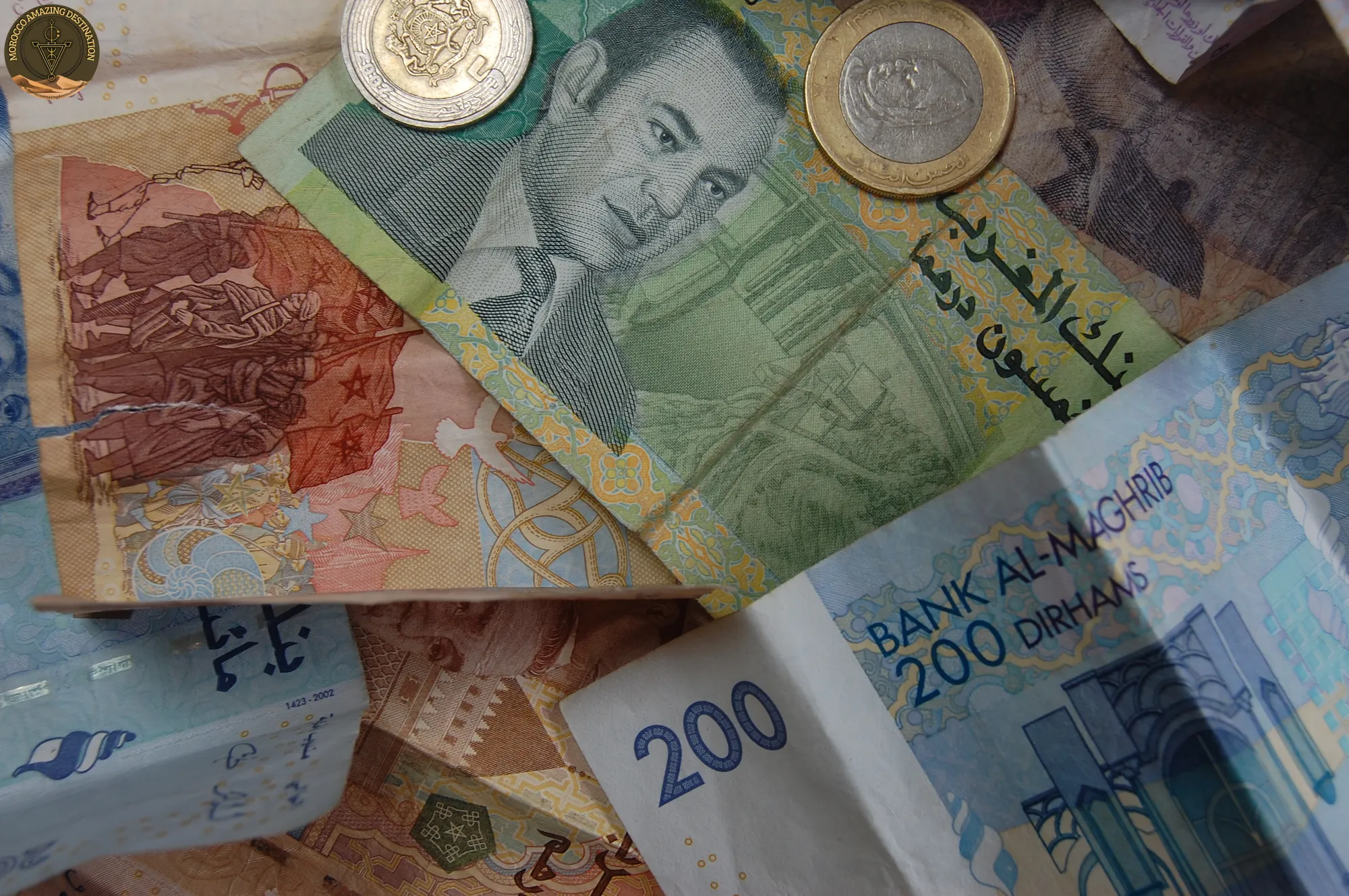
How much cash should I bring to Morocco? If you are planning a trip to the Land of the Setting Sun, this is one of the first practical questions that will cross your mind—and for good reason. Unlike most Western countries where tapping a card or phone is second nature, Morocco operates on a deeply cash-based economy. Walk into any souk, hail a taxi, or order street food, and you will quickly discover that Moroccan dirhams are the undisputed currency of daily life.
Knowing your Morocco daily budget before you land spares you from scrambling for ATMs in unfamiliar streets, overpaying at exchange bureaus, or standing awkwardly at a restaurant that cannot process your card. This guide breaks down exactly how much cash you need per day, tailored to your travel style and trip length. Whether you are a solo backpacker doing a rapid 3-day desert dash or a family embarking on a grand 14-day tour, you will know precisely what to stash in your wallet.
Why Cash is King in Morocco
Morocco is overwhelmingly a cash society. While major hotels, upscale restaurants, and some tour operators accept credit cards, the vast majority of daily transactions happen in dirhams. Understanding where and why cash rules will help you plan smarter.
- Souks and Markets: Every artisan, spice vendor, and carpet seller in the medina deals exclusively in cash. If you want to haggle for that handwoven rug or ceramic tagine pot, you need dirhams in hand.
- Taxis and Local Transport: From petite taxis zipping through Marrakech to grand taxis connecting towns, drivers expect cash—no card readers, no exceptions.
- Street Food and Local Restaurants: The best couscous you will ever eat comes from a small family-run eatery that has never seen a POS machine. Cash is the only way.
- Tips and Gratuities: Morocco has a strong tipping culture. Guides, drivers, hotel porters, hammam attendants, and restaurant staff all appreciate dirham tips.
- Rural Areas and Small Towns: Outside Marrakech, Casablanca, and Rabat, card acceptance drops near zero. If your itinerary includes the desert, the Atlas Mountains, or smaller villages, cash is non-negotiable.
Morocco Daily Budget Breakdown
How much cash you need per day depends entirely on your travel style. Below is a realistic daily breakdown per person, excluding accommodation—which is typically booked online and paid by card in advance.
| Expense Category | Budget (MAD) | Mid-Range (MAD) | Luxury (MAD) |
|---|---|---|---|
| Meals (breakfast, lunch, dinner) | 80–150 | 200–400 | 500–1,000 |
| Local transport (taxis, buses) | 50–100 | 100–250 | 300–600* |
| Activities and entrance fees | 50–100 | 100–250 | 250–500 |
| Shopping and souvenirs | 50–100 | 100–300 | 300–1,000+ |
| Tips and miscellaneous | 30–50 | 50–100 | 100–200 |
| Total Daily Cash (per person) | 260–500 MAD | 550–1,300 MAD | 1,450–3,300 MAD |
*Luxury transport assumes a private driver.
- Budget traveler: Hostels, street food, public buses—260 to 500 MAD per day. Your money stretches surprisingly far when you eat where locals eat and use shared grand taxis.
- Mid-range traveler: Comfortable riads, decent sit-down restaurants, and occasional guided tours—550 to 1,300 MAD per day. This is the sweet spot for most visitors who want comfort without extravagance.
- Luxury traveler: Five-star riads, fine dining, private drivers, and exclusive experiences—1,450 to 3,300 MAD per day. Morocco delivers world-class luxury at a fraction of European prices.
A note on accommodation: If you pay cash at smaller guesthouses or riads, add approximately 300 to 800 MAD per night for budget to mid-range stays and 1,500 to 4,000 MAD for high-end properties.
How Much Cash for X Days? A Trip-Length Guide
Translating daily costs into total cash needs is where most travelers go wrong. Here is exactly what to budget based on your itinerary length.
3-Day Trip: Short Getaway or Desert Escape
A 3-day trip is perfect for a quick Marrakech city break or a desert tour from Marrakech to Merzouga. You have limited time, so spending concentrates on a few intense days of exploration.
- Budget: 800–1,500 MAD total
- Mid-Range: 1,650–3,900 MAD total
- Luxury: 4,350–9,900 MAD total
For a desert tour package, most costs—transport, accommodation, and several meals—are already covered in the tour price. Bring extra cash for souvenirs, additional snacks, and tips for your guide and camel handler.
5-Day Trip: Classic Morocco Introduction
Five days give you space to explore two cities in depth. Popular routes include Marrakech plus a Sahara excursion, or Tangier through Chefchaouen to Fes. This is enough to get a genuine taste of Morocco without feeling rushed.
- Budget: 1,300–2,500 MAD total
- Mid-Range: 2,750–6,500 MAD total
- Luxury: 7,250–16,500 MAD total
On a 5-day itinerary, meals become your largest daily cash expense after shopping. Plan for at least one memorable dinner at a rooftop restaurant overlooking a medina—worth every dirham.
7-Day Trip: One Week in Morocco
A week unlocks the classic Morocco circuit: imperial cities, mountain passes, and Sahara dunes. The 7-day route from Tangier to the Sahara via Chefchaouen, Fes, and Merzouga is one of the most booked itineraries.
- Budget: 1,820–3,500 MAD total
- Mid-Range: 3,850–9,100 MAD total
- Luxury: 10,150–23,100 MAD total
With seven days you will likely mix guided days with free exploration. Guided tour days tend to cost less in incidental cash as many expenses are pre-paid. Independent exploration days in cities like Fes or Marrakech are when your wallet works hardest.
10-Day Trip: Deep Exploration
Ten days lets you cover Casablanca, Rabat, Chefchaouen, Fes, the Sahara, and Marrakech without rushing. This is the sweet spot for a comprehensive first visit to Morocco.
- Budget: 2,600–5,000 MAD total
- Mid-Range: 5,500–13,000 MAD total
- Luxury: 14,500–33,000 MAD total
Longer trips introduce another variable: laundry, unexpected medical supplies, extra SIM card top-ups, and spontaneous side excursions. Pad your cash buffer by about 10 percent for these inevitable extras.
14-Day Trip: The Grand Morocco Tour
Two weeks in Morocco means you can see it all—from the Mediterranean coast to the Sahara dunes and Atlantic shores. This is for travelers who want to leave no stone unturned, visiting the imperial cities, desert camps, mountain valleys, and coastal towns.
- Budget: 3,640–7,000 MAD total
- Mid-Range: 7,700–18,200 MAD total
- Luxury: 20,300–46,200 MAD total
On a grand tour, pace yourself with spending. The first week tends to be heavier on shopping and activities, while the second week often settles into a more relaxed rhythm. Plan withdrawals accordingly rather than carrying all your cash from day one.
Where to Get Cash in Morocco
Once you land, you have several reliable options for acquiring Moroccan dirhams. Each has trade-offs in terms of exchange rates, convenience, and fees.
ATMs: The Best Option for Most Travelers
ATMs are widely available in cities, airports, and even mid-sized towns. They accept international Visa, Mastercard, Maestro, and Cirrus cards and dispense dirhams directly—usually at the best exchange rate you will find.
Key ATM tips:
- Notify your bank before departure to prevent your card from being blocked for suspicious activity.
- Choose bank-attached ATMs. Société Générale, BMCE, Attijariwafa Bank, and Banque Populaire machines are more secure and less likely to swallow your card than standalone units.
- Decline dynamic currency conversion (DCC). If the ATM offers to charge you in your home currency, decline. Let your home bank handle the exchange—you will get a far better rate.
- Withdrawal fees are typically 30 to 35 MAD per transaction. Withdraw larger amounts less frequently to minimize total fees.
- Daily withdrawal limits usually range from 2,000 to 4,000 MAD, though this depends on your home bank. Check with your bank before traveling.
Currency Exchange Bureaus
Exchange bureaus in major cities and airports offer competitive rates, sometimes better than ATMs for larger amounts. They accept euros, US dollars, and British pounds—ideally in crisp, clean, undamaged bills.
Avoid exchanging money at hotels where rates are notoriously poor. If you arrive at Casablanca or Marrakech airport, exchange a small amount for immediate expenses (taxi to your hotel) and seek better rates in the city center for the rest.
Arriving with Cash
Some travelers prefer arriving with euros or dollars and exchanging gradually as needed. This approach eliminates ATM anxiety entirely and provides a reliable backup. Keep your exchange receipts—you will need them if you want to reconvert leftover dirhams at departure.
Pro tip: US dollars are less commonly accepted for exchange than euros. If you have a choice, bring euros for the smoothest experience at exchange bureaus across the country.
Smart Cash Handling Tips for Morocco
How you carry and manage cash matters as much as how much you bring. These tips will keep your money safe and your transactions smooth.
- Carry small bills relentlessly. Many vendors, taxi drivers, and even some cafés will claim they cannot give change for a 200 MAD note. Keep a steady supply of 20 MAD and 50 MAD notes. Break larger bills at supermarkets or your hotel whenever possible.
- Split your cash. Never carry all your money in one place. Use a money belt for the bulk of your cash, keep a day’s spending money in an accessible pocket, and leave a reserve in your hotel safe or locked suitcase.
- Haggle with confidence. Cash gives you bargaining power in the souks. When you pull out dirhams rather than a credit card, sellers know you are serious. Negotiate in markets and with taxi drivers, but pay the listed price at fixed-price shops and restaurants.
- Keep an emergency reserve. Tuck away a 50-euro or 100-dollar note deep in your luggage. It is your lifeline if your cards get blocked, swallowed, or lost. Any exchange bureau will convert it.
- Spend or convert before departure. The Moroccan dirham is a closed currency—you cannot exchange it once you leave the country. Count your remaining MAD before heading to the airport and either spend it on last-minute souvenirs or convert it at an airport exchange bureau.
Plan Your Morocco Trip with Confidence
Knowing how much cash to bring to Morocco transforms trip planning from a guessing game into a precise calculation. With the daily budget ranges and trip-length breakdowns above, you can walk into any bank, ATM, or exchange bureau knowing exactly what you need—no more, no less.
Morocco rewards the prepared traveler. When your wallet is sorted, your mind is free to soak in the call to prayer echoing through the medina, the silence of the Sahara at sunrise, and the warmth of mint tea poured from a silver pot. That is what you came for, after all.
If you are looking for a well-organized itinerary that takes the guesswork out of daily costs, a guided tour is an excellent option. The 3-Day Trip from Marrakech to Merzouga covers the High Atlas Mountains, Ait Benhaddou Kasbah, the Dades and Todra Gorges, and a camel trek into the Sahara dunes with an overnight stay in a Berber camp—most expenses included in the package price. Explore the 3-day desert tour →
For a deeper immersion, the 7-Day Morocco Tour from Tangier to the Sahara takes you through Chefchaouen the blue city, the medieval medina of Fes, the sand dunes of Merzouga, and the imperial city of Meknes—a full week of Morocco’s greatest highlights with accommodation, transport, and guided experiences all covered. Discover the 7-day Morocco tour →
If you found this helpful, add us as your preferred source on Google.
Frequently Asked Questions
Can I use euros or dollars in Morocco?
In tourist areas, some vendors and hotels accept euros or dollars, but the exchange rate will be unfavorable. You will always get a better deal paying in dirhams. In local markets and rural areas, only dirhams are accepted.
How much cash should I carry daily?
For a comfortable day in Marrakech or Fes—including meals, transport, one activity, and some shopping—plan on 400 to 800 MAD per person. Desert excursions and guided day trips cost more. Always carry slightly more than you think you will need.
Are credit cards widely accepted in Morocco?
Credit cards are accepted at upscale hotels, some mid-range riads, large restaurants, and supermarkets in major cities. However, the medinas, souks, taxis, cafés, and virtually all small businesses operate cash-only. Do not rely on plastic as your primary payment method.
What is the best way to carry money in Morocco?
A combination approach works best. Use a travel card or debit card for ATM withdrawals, carry a small backup in euros or dollars, and keep daily walking-around cash separate from your reserves. A discreet money belt or hidden pouch is recommended in crowded medinas.
- how-much-cash-to-bring-to-morocco
- morocco-daily-budget
- travel-budget
- morocco-currency
- moroccan-dirham
- morocco-cash-handling
- atm-tips-morocco
- travel-tips
Ready for an Adventure?
Have questions? Feel free to contact us using the form below. We're here to help!