
· Travel · 8 min read
How Many GB Do You Need for a Week in Morocco? Complete Data Guide
Planning a week in Morocco? Find out exactly how many GB you need for maps, social media, and staying connected. Compare local SIM cards, roaming, and eSIM options.
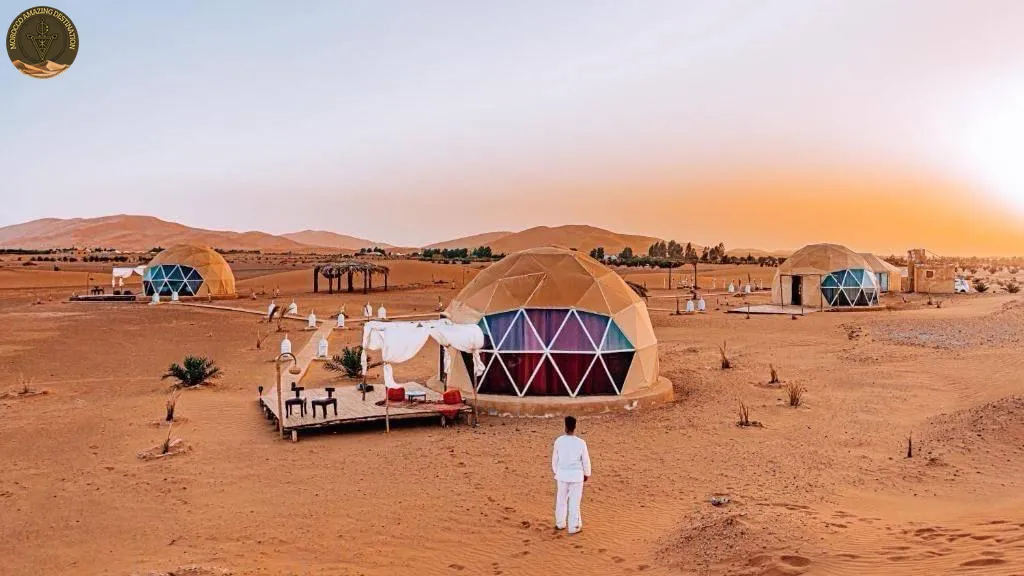
How many GB for a week in Morocco — if you are packing for a trip and wondering how much mobile data you will actually need, you are asking one of the smartest pre-travel questions. Staying connected in Morocco means having access to Google Maps inside the labyrinthine medinas, WhatsApp to reach your riad host, and enough data to share those Sahara sunset photos without buffering.
This guide breaks down exactly how many gigabytes you need for a week in Morocco. It covers real-world data consumption, compares local SIM cards, international roaming, and eSIM options, and gives you actionable tips to stay connected without overspending.
How Much Data Do You Actually Need Per Day?
Understanding your daily usage is the key to choosing the right data plan. Here is what typical activities consume while traveling in Morocco.
Navigation and Maps
Using Google Maps or Waze for navigation consumes about 5-10 MB per hour of active use. If you are exploring a medina for two hours, expect to use roughly 20 MB. Over a week, assuming two to three hours of daily navigation, maps will consume approximately 200-400 MB.
Tip: Download offline maps of Marrakech, Fes, and other cities before you leave your hotel Wi-Fi. Google Maps and Maps.me both support offline downloads, cutting navigation data to nearly zero.
Messaging and Communication
WhatsApp is the dominant messaging app in Morocco, used by locals and travelers alike. Text messages consume negligible data — less than 1 MB for hundreds of messages. However, WhatsApp voice calls use about 0.5 MB per minute and video calls consume 4-8 MB per minute. A 15-minute video call back home will use roughly 100 MB.
Over a week of regular messaging and a few short calls, budget around 300-500 MB.
Social Media and Browsing
This is where data usage can spike. Instagram, Facebook, and TikTok all auto-play videos, which burns through data quickly. Here is a rough breakdown per hour of active use:
- Instagram: 100-150 MB per hour
- Facebook: 80-120 MB per hour
- TikTok: 200-400 MB per hour
- General web browsing: 50-80 MB per hour
If you check social media for 30-60 minutes daily, expect to use 2-4 GB over a week.
Photo and Video Uploads
Uploading a high-resolution photo to Instagram or WhatsApp uses about 2-5 MB per photo. A one-minute HD video can use 50-100 MB. If you are taking and sharing lots of photos of the Sahara, the Atlas Mountains, and the blue streets of Chefchaouen, budget an extra 500 MB to 1 GB.
Streaming and Entertainment
Streaming music on Spotify uses about 50 MB per hour at normal quality. Streaming video on YouTube or Netflix consumes 250-500 MB per hour at standard definition. If you plan to watch shows or listen to music during long drives, your data needs will increase significantly.
Recommended GB for a Week in Morocco
Based on real-world usage patterns, here is what most travelers need.
| User Type | Activities | Recommended Data |
|---|---|---|
| Light user | Offline maps, text messaging, occasional browsing | 3-5 GB |
| Moderate user | Maps, social media, some video calls, photo uploads | 5-10 GB |
| Heavy user | Streaming, frequent video calls, remote work, hotspot sharing | 15-20 GB |
For the typical traveler who uses maps daily, posts a few Instagram stories, makes occasional WhatsApp calls, and browses the web, a 5-10 GB data plan for a week in Morocco is the sweet spot. It gives you breathing room without overpaying.
Local SIM Cards: The Most Affordable Option
Buying a local SIM card in Morocco is straightforward and inexpensive. All you need is your passport — Moroccan law requires ID registration for every SIM activation.
Morocco’s Three Mobile Operators
Maroc Telecom offers the best coverage across Morocco, especially in remote desert and mountain areas. If your itinerary includes Merzouga, Erg Chebbi, or the Atlas Mountains, this is your safest choice.
Orange Morocco delivers excellent 4G+ speeds in urban areas like Marrakech, Casablanca, and Rabat. Their multilingual customer support and user-friendly app make them popular with international travelers.
Inwi is the most budget-friendly. Their data plans give you the most gigabytes per dirham, though coverage can be patchy in very remote regions.
Typical Tourist Data Plans
All three operators offer dedicated tourist packages. Here is what you can expect to pay:
- 5 GB: approximately 50 MAD (5 USD) — enough for a light user for one week
- 10 GB: approximately 100 MAD (10 USD) — ideal for most travelers
- 20 GB: approximately 200 MAD (20 USD) — generous allowance for heavy users
Plans are typically valid for 7, 14, or 30 days. You can buy a SIM at the airport upon arrival — all three operators have kiosks in the arrivals hall of Marrakech Menara, Casablanca Mohammed V, and Fes Saïss airports. The price is the same as in the city, with no airport markup.
Roaming with Your Home Carrier
Using your home carrier’s roaming in Morocco is convenient — your number works the moment you land — but it is rarely the cheapest option.
When Roaming Makes Sense
Roaming is worth considering if your home plan includes generous international data for Morocco. Some European operators like Iliad (with TOP 30 MONDO), certain Vodafone plans, and TIM offers include Morocco roaming data in select packages. Check your plan before traveling.
If your plan does not include Morocco roaming, expect to pay anywhere from 5 to 20 USD per day for a limited data pass, or steep per-megabyte rates. Over a week, this can add up to more than your flight.
Roaming vs Local SIM Comparison
| Factor | Local SIM | International Roaming |
|---|---|---|
| Cost for 7 days | 5-20 USD | 35-140+ USD |
| Coverage | Optimized for local networks | Depends on roaming partner |
| Local phone number | Yes — useful for riads and guides | No — keeps your home number |
| Setup | 5-10 minutes with passport | Automatic |
| Data allowance | 5-20 GB per plan | Often capped or limited |
For anything beyond a weekend trip, a local SIM card wins on both price and data allowance.
eSIM: The Hassle-Free Alternative
If your phone supports eSIM, you can activate a Morocco data plan before you even leave home. Providers like Airalo, Holafly, and Nomad offer Morocco-specific eSIM plans ranging from 1 GB to unlimited data.
The advantages are clear: you land with instant connectivity, keep your home number active for SMS and calls, and skip the airport SIM queue. eSIM plans for Morocco typically cost 5-15 USD for a week’s worth of data, competitive with local physical SIMs.
The main trade-off is that eSIMs are usually data-only — you do not get a Moroccan phone number for calling riads or local guides. If you are comfortable relying on WhatsApp and internet-based communication, an eSIM is a great choice.
Wi-Fi Availability in Morocco: What to Expect
Free Wi-Fi is common in urban accommodations and cafes, but it should be your backup, not your primary connection.
In cities: Most riads, hotels, and cafes in Marrakech, Fes, Casablanca, and Tangier offer free Wi-Fi. Speeds are generally good enough for video calls and streaming in 4- and 5-star properties, although budget accommodations may have slower connections.
In the desert and mountains: Wi-Fi is rare or non-existent. Desert camps in Merzouga sometimes offer limited Wi-Fi in common areas, but do not count on it. In the Atlas Mountains and rural villages, you will rely entirely on your mobile data.
On the road: Long drives between cities — Marrakech to Merzouga, Fes to Chefchaouen — pass through areas with no Wi-Fi and sometimes limited mobile coverage. Download entertainment and offline maps beforehand.
7 Tips to Save Data While Traveling in Morocco
-
Download offline maps — Google Maps and Maps.me let you save entire city maps to your phone. Do this on hotel Wi-Fi before heading out each day.
-
Disable auto-play videos — In Instagram and Facebook settings, switch video auto-play to “Wi-Fi only” or disable it entirely.
-
Use data compression — Enable “Data Saver” mode in Chrome and “Low Data Usage” in your phone’s settings to reduce background activity.
-
Pre-download entertainment — Download Spotify playlists, Netflix episodes, and podcasts before your trip. Long desert drives are more enjoyable with offline entertainment.
-
Disable cloud sync on mobile data — Google Photos, iCloud, and Dropbox can silently upload large files. Set them to sync only on Wi-Fi.
-
Check your usage regularly — All Moroccan operators have apps or USSD codes to check your remaining data balance. Monitor it so you do not run out unexpectedly.
-
Carry a power bank — Mobile data consumes battery faster than Wi-Fi. A fully charged power bank ensures you stay connected even on long day trips.
Staying Connected Enhances Your Morocco Experience
Having reliable mobile data transforms your trip. It means confidently navigating the maze-like souks, translating Arabic and French signs in real time, and sharing your camel trek photos the moment you take them. It also means safety — the ability to call your riad if you get lost, check bus and train schedules on the fly, and stay in touch with your tour guide.
Morocco is a country best explored with peace of mind. A local SIM card or eSIM costs less than a restaurant dinner and gives you a week of unlimited freedom.
If you are planning a trip, consider combining connectivity with an unforgettable itinerary. Our 3-Day Trip from Marrakech to Merzouga takes you through the High Atlas Mountains, Ait Benhaddou, and into the Sahara for a camel trek and night under the stars. For a more immersive experience, our 4-Day Morocco Desert Tour from Marrakech adds Dades Valley and Todra Gorge to the journey, giving you more time to soak in Morocco’s stunning landscapes.
Whether you choose a local SIM, an eSIM, or roaming, staying connected ensures you capture and share every moment of your Moroccan adventure.
If you found this helpful, add us as your preferred source on Google.
Frequently Asked Questions
How many GB do I need for one week in Morocco?
For a typical one-week trip, 5-10 GB is enough for most travelers. Light users relying mainly on maps and messaging can manage with 3-5 GB. Moderate users who browse social media, make occasional video calls, and upload photos should aim for 5-10 GB. Heavy users who stream music, make frequent video calls, or work remotely should get 15-20 GB. All Moroccan operators offer tourist data plans that cover these ranges at very affordable prices.
Is it better to buy a local SIM or use roaming in Morocco?
A local SIM card is almost always the better option. Morocco has three operators — Maroc Telecom, Orange, and Inwi — offering prepaid tourist data plans from about 50 MAD (5 USD). International roaming with your home carrier typically costs 10-20 USD per day or offers limited data. The exception is if your carrier includes generous roaming data for Morocco (such as certain Iliad, Vodafone, or TIM plans). For most travelers, buying a local SIM at the airport upon arrival is the most cost-effective choice.
Can I rely on Wi-Fi in Morocco instead of mobile data?
Not entirely. While most hotels, riads, and cafes in cities offer free Wi-Fi, the connection quality varies significantly. In remote areas like the Sahara Desert, Atlas Mountains, and during road trips between cities, Wi-Fi is not available at all. Having mobile data ensures you have Google Maps, translation apps, and emergency communication wherever you go. Use Wi-Fi whenever available to preserve your data allowance, but do not count on it as your only connection.
How much does a local SIM card cost in Morocco?
A prepaid SIM card from Maroc Telecom, Orange, or Inwi costs 30-50 MAD (3-5 USD) for the starter pack. Tourist data plans range from 50 MAD for 5 GB to 200 MAD for 20+ GB. Most packages include a local phone number and some call credit. Top-up recharge cards are sold at virtually every corner shop, pharmacy, and petrol station throughout the country, making it easy to add more data if you run out.
Ready for an Adventure?
Have questions? Feel free to contact us using the form below. We're here to help!