
· Travel · 2 min read
Hiking the Atlas Mountains: A Guide to Morocco's Stunning Trails
Lace up your boots and discover the breathtaking beauty of the Atlas Mountains. Our guide covers the best trails, from gentle walks to the peak of Mount Toubkal.
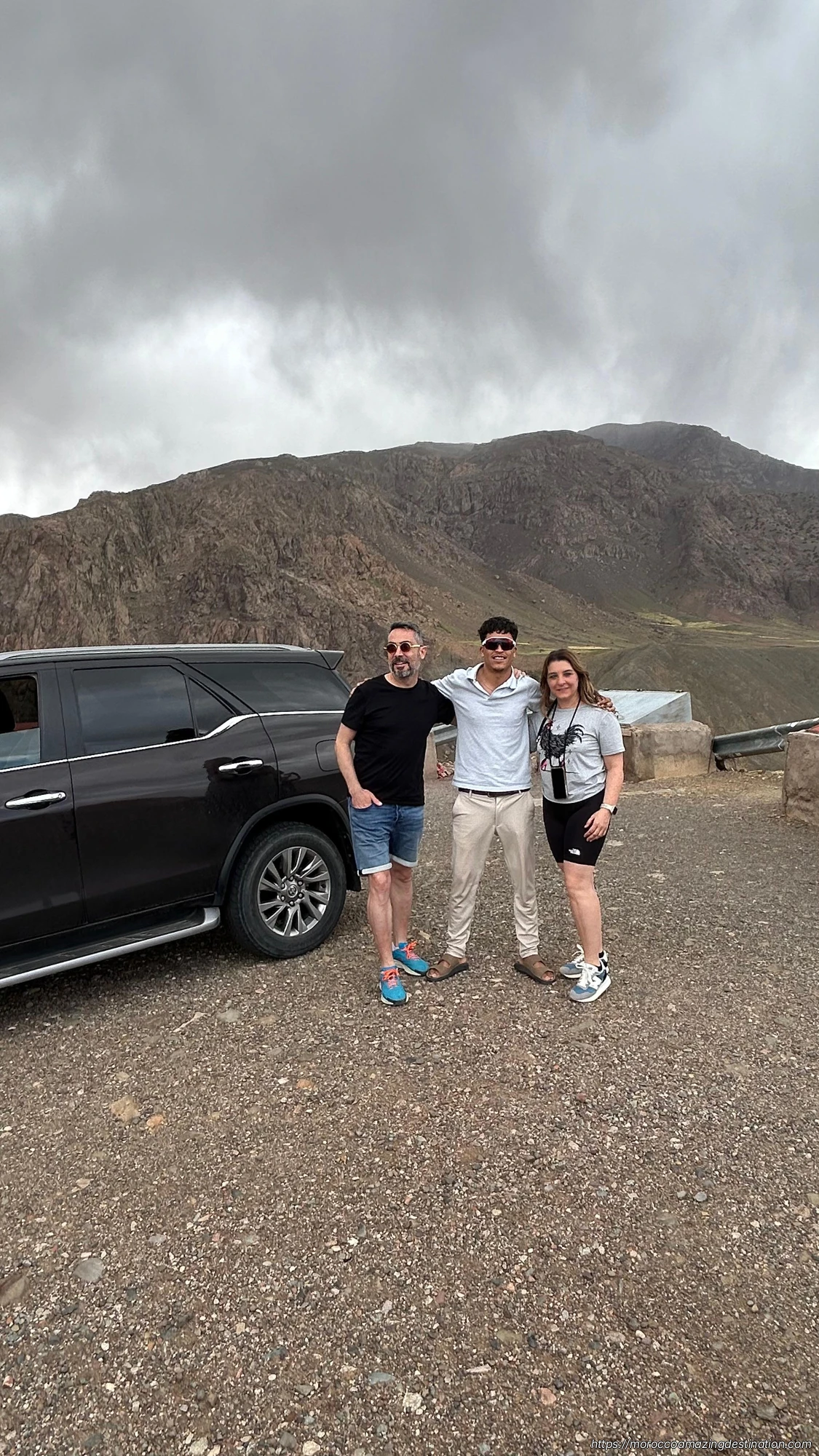
Venture beyond the bustling cities of Morocco, and you’ll find the majestic Atlas Mountains. This incredible mountain range offers some of the most scenic and rewarding hiking in North Africa. Whether you’re a seasoned trekker or just looking for a day trip, the Atlas Mountains have a trail for you.
The Call of the Mountains
The Atlas range is divided into three parts, but the High Atlas is where you’ll find the most popular trekking routes. It’s home to Jebel Toubkal, the highest peak in North Africa, standing tall at 4,167 meters (13,671 feet). The air here is fresh, the views are vast, and the silence is broken only by the sound of nature.
Choosing Your Trail
For those with a good fitness level, the trek to the summit of Mount Toubkal is an unforgettable two-day journey. The path starts in the village of Imlil, a charming gateway to the mountains. You’ll pass through traditional Berber villages, see stunning valleys, and stay overnight in a mountain refuge before making the final ascent for sunrise.
If you’re looking for something less strenuous, there are countless other trails. You can take gentle walks through the Ourika Valley, explore the lush landscapes of the “Happy Valley” of Bouguemez, or discover the rugged beauty of the Jebel Saghro region.
Best Time to Hike
The ideal time for hiking in the Atlas Mountains is during the spring (April to May) and autumn (September to October). The weather is pleasant, not too hot and not too cold, making it perfect for trekking. Winter brings snow, which is beautiful but requires special equipment and experience.
Tips for Your Trek
- Hire a Local Guide: A guide is highly recommended. They know the trails, the weather, and can share fascinating insights into the local Berber culture.
- Pack Smart: Bring layers of clothing, as temperatures can change quickly. Sturdy hiking boots, sunscreen, a hat, and a reusable water bottle are essential.
- Stay Hydrated and Energized: Drink plenty of water and enjoy the local cuisine. A hearty tagine tastes even better after a long day of walking!
- Respect the Culture: The Atlas Mountains are home to the Berber people. Be respectful, ask before taking photos, and you may even be invited for a cup of mint tea.
Hiking in the Atlas Mountains is more than just a walk; it’s an adventure that connects you with nature and a rich, ancient culture. It’s an experience that will stay with you long after you’ve returned home.
Frequently Asked Questions
How difficult is hiking Mount Toubkal in Morocco?
Mount Toubkal, North Africa's highest peak at 4,167 meters, requires good fitness but no technical climbing skills. The two-day trek from Imlil village includes an overnight stay in a mountain refuge before the final sunrise ascent.
When is the best season for hiking the Atlas Mountains?
The ideal time for Atlas Mountains hiking is spring (April-May) and autumn (September-October) when weather is pleasant and temperatures are moderate. Winter brings beautiful snow but requires special equipment and mountaineering experience.
Do I need a guide for Atlas Mountains trekking?
While not mandatory, hiring a local guide is highly recommended for Atlas Mountains hiking. Guides know the trails, weather patterns, and can share fascinating insights into Berber culture and mountain life, enhancing your trekking experience.
What are easier alternatives to Mount Toubkal?
For less strenuous hikes, explore the scenic Ourika Valley, the lush Bouguemez "Happy Valley," or the rugged Jebel Saghro region. These trails offer stunning landscapes and Berber village visits without the demanding Toubkal ascent.