· Travel · 10 min read
Henna Fes: A Complete Guide to the Ancient Art, Souk, and Traditional Designs
Discover the ultimate guide to henna in Fes, Morocco. Explore the famous henna souk, learn traditional henna designs and their meanings, and experience authentic Moroccan body art in the heart of the medina.
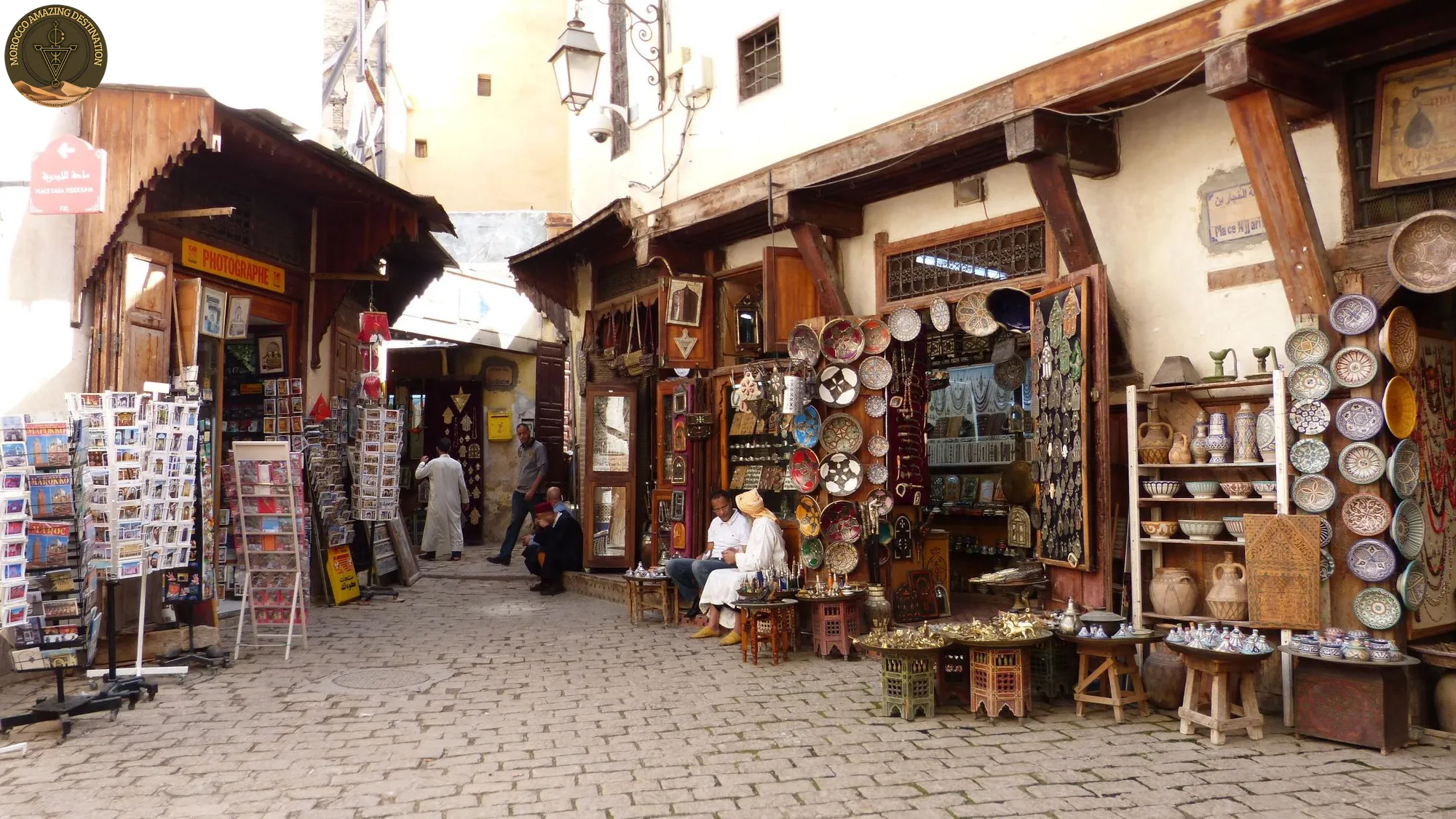
The air in Fes el Bali is thick with the scent of ground spices, curing leather, and burning cedarwood. But walk deeper into the ancient medina, past the brass workers hammering trays and the donkeys carrying panniers of bread, and you eventually enter a quieter corner where the clatter of commerce gives way to something more intimate — the henna souk Fes. Here, women sit on low stools, cones of fragrant green paste in hand, tracing delicate patterns onto outstretched palms. This is where one of Morocco’s most beautiful and enduring traditions lives on, and experiencing henna fes is an unmissable part of any visit to the country’s spiritual capital.
Henna has been used in Morocco for centuries as a form of body adornment, a medicinal remedy, and a symbol of blessing and protection. In Fes — a city renowned as the guardian of Moroccan craftsmanship and tradition — henna holds a particularly special place. Whether you are looking to buy pure henna powder, get a design applied by a skilled local artist, or simply understand the cultural significance of this ancient art, the henna souk Fes is the place to begin.
What Is Moroccan Henna?
Henna is a natural dye derived from the dried, crushed leaves of the Lawsonia inermis plant, which thrives in hot, arid climates across North Africa, the Middle East, and South Asia. When the powder is mixed with water, lemon juice, and sometimes essential oils such as eucalyptus or lavender, it forms a smooth paste that stains the skin in shades of orange, auburn, and deep reddish-brown.
In Moroccan culture, henna is far more than a cosmetic. It is woven into the fabric of daily life and sacred ritual:
- Weddings: A henna night is an essential pre-wedding celebration where the bride, her female relatives, and friends gather to have elaborate designs applied to their hands and feet. The designs are believed to bring luck, fertility, and protection from the evil eye.
- Religious holidays: During Eid al-Adha and Eid al-Fitr, women and children often adorn their hands with henna as part of the festivities.
- The seventh month of pregnancy: Many Moroccan women apply henna during the seventh month of pregnancy as a protective blessing for mother and child.
- Healing: Henna has cooling properties and has traditionally been used to soothe headaches, fevers, and skin irritations. In rural Morocco, it is still applied to the soles of the feet to combat the heat.
- Protection: Henna designs, particularly those featuring the khamsa (hand of Fatima) and geometric patterns, are believed to ward off negative energy and bring baraka — divine blessing.
Where Is the Henna Souk in Fes?
Finding the henna souk Fes is an adventure in itself, and part of the magic lies in the journey through the medina’s maze of alleyways. The souk sits in the heart of Fes el Bali, the oldest walled section of the city and a UNESCO World Heritage Site.
How to Get There
Enter the medina through Bab Bou Jeloud (the Blue Gate) and follow Talaa Kebira, the main artery that cuts through the old city. After roughly ten minutes of walking — past fruit stalls, carpet shops, and metalworkers — you will reach the area near the el-Attarine Madrasa and the Kairaouine Mosque. The henna souk is a compact square just off Talaa Kebira, adjacent to the spice market.
Tip: If you get lost, simply ask a shopkeeper “Fin souk l-henna?” (Where is the henna souk?) and they will point you in the right direction. Fassis are famously helpful to visitors.
What to Expect
The henna souk Fes is intimate and atmospheric, far less chaotic than the tanneries or the main food markets. You will find:
- Henna artists — typically women — seated and ready to apply designs. Some work from small stalls, others from the doorsteps of their shops.
- Stalls selling loose henna powder in various grades, from everyday quality to the prized finely-sifted powder from Tafilalet and Zagora.
- Natural additives such as dried lavender flowers, clove powder, and essential oils used to enhance the paste.
- Henna accessories including applicator syringes, stencils, and small ceramic bowls for mixing.
- A relaxed, unhurried atmosphere where you are encouraged to sit, observe, and absorb the tradition rather than rush through it.
Traditional Henna Designs and Their Meanings
Moroccan henna designs are distinct from the intricate, lacy patterns found in Indian and Pakistani styles. Moroccan henna tends toward bold, geometric, and symbolic motifs with generous use of negative space. Each design carries layers of meaning:
The Khamsa (Hand of Fatima)
Perhaps the most ubiquitous symbol in Moroccan art and henna, the khamsa is a five-fingered hand motif representing protection, strength, and the warding off of the evil eye. It appears in countless variations across henna designs.
Geometric Lattice Patterns
Diamonds, triangles, and repeating chevrons symbolize the cycles of life, fertility, and the order of the universe. These patterns are often applied across the palm and the back of the hand in symmetrical arrangements.
Dots and Circles
Dots symbolize seeds, the starting point of all growth, and are associated with fertility and new beginnings. Circles represent the sun, the moon, and the eternal cycle of life.
Floral Motifs
Rose and jasmine patterns are popular among young women and brides, symbolizing beauty, love, and the fleeting sweetness of life. These motifs are more common in urban Fes than in rural areas.
The Lizard Design
A stylized lizard or gecko motif is unique to Moroccan Amazigh henna traditions. It represents regeneration, adaptability, and connection to the earth.
Insider tip: When you sit down with a henna artist in the henna souk Fes, ask them about the meanings behind the patterns they are drawing. Most artists are proud to share the symbolism and will tailor the design to your preferences — whether you want a design for beauty, protection, or blessing.
What to Expect When Getting Henna in Fes
The Process
- Consultation: The artist will ask what you want — a simple band around the finger, a small design on the back of the hand, a full palm design, or something in between. Bring a reference photo on your phone if you have a specific style in mind.
- Application: The artist squeezes the henna paste through a small cone or syringe, creating precise lines and patterns directly on your skin. The paste feels cool to the touch and dries within minutes.
- Drying: You need to keep your hand still for 20 to 30 minutes while the paste sets. The artist may apply a mixture of sugar and lemon juice with a cotton ball to keep the paste moist and intensify the stain.
- Removal: Once the paste is dry and cracked, gently scrape it off — do not wash with water. The initial stain will be a bright orange, which darkens to a rich reddish-brown over the next 24 to 48 hours.
Cost
- Simple small design (finger band, small motif): 20–50 MAD
- Medium design (half hand): 50–100 MAD
- Elaborate full-hand design: 100–200 MAD
- Bridal henna package: 500–2,000 MAD (varies by complexity)
Etiquette
- Always agree on the price before the artist begins.
- Sit patiently and avoid moving your hand while the paste dries.
- If you are happy with the result, a small tip of 10–20 MAD is appreciated but not mandatory.
- Ask permission before taking photos of the artist at work.
Where to Buy Henna in Fes
If you are looking to take henna home rather than get a design applied, the henna souk Fes is also the best place to purchase high-quality supplies:
- Loose henna powder: Look for finely sifted, bright green powder with a fresh, grassy scent. The best henna in Morocco comes from the Tafilalet and Zagora regions. Expect to pay 10–50 MAD per 100g.
- Ready-made henna cones: Pre-mixed paste in sealed cones — convenient for travel but check the ingredients to ensure it is 100% natural.
- Natural additives: You can also buy essential oils, dried lavender, and clove powder to mix your own paste at home.
- Applicator tools: Syringes, small cones, and stencils are readily available.
Bargaining is expected in Fes souks, and the henna souk is no exception. Start by offering about 50% of the asking price and negotiate with a smile. Building a friendly rapport goes a long way.
The Cultural Significance of Henna in Moroccan Life
To truly appreciate henna fes, you need to understand its deeper role in Moroccan society. Henna is not merely decorative — it carries profound spiritual and social meaning:
- Baraka: The concept of baraka (divine blessing) is central to Moroccan Islam and folk tradition. Henna is believed to contain baraka, which is why it is applied during life’s most significant transitions: birth, circumcision, marriage, and even death.
- Community bonding: A henna night before a wedding is one of the most important social gatherings in Moroccan culture. Women of all ages sing, dance, share advice, and pass traditions from one generation to the next while henna is applied.
- Regional identity: The designs used in Fes differ subtly from those in Marrakech, the Sahara, or the coastal cities. Fassi designs tend to be more refined and geometrically precise, reflecting the city’s reputation as Morocco’s cultural and intellectual capital.
Tips for First-Time Visitors
- Stick to natural henna: Authentic Moroccan henna produces an orange to reddish-brown stain. If a paste looks jet black or promises instant dark results, walk away — it contains harmful chemicals.
- Time your visit: The henna souk Fes is most active in the late morning through the afternoon. Arriving before midday gives you the best choice of artists and a more relaxed experience.
- Wear removable clothing: Henna paste can easily stain fabric. Wear short sleeves or roll up your sleeves before sitting down with an artist.
- Plan around your travel schedule: The stain takes 24 to 48 hours to reach its darkest shade, so get your henna done at least two days before any event where you want the design to look its best.
- Bring cash: Most artists in the henna souk do not accept cards. Bring small bills in Moroccan dirhams for easy transactions.
- Learn a few words of Darija: Saying “shukran” (thank you) and “zwin” (beautiful) will earn you warm smiles and a more memorable experience.
Explore More of Fes and Beyond
A visit to the henna souk Fes is just one chapter in the story of this extraordinary city. Fes is the spiritual and cultural heart of Morocco, home to the world’s oldest university, magnificent madrasas, and the legendary tanneries. To truly experience the magic of Fes and the surrounding regions, consider extending your journey with a thoughtfully designed tour.
If you are looking to explore beyond the medina walls, the 3-Day Desert Tour from Fes to Merzouga takes you through the cedar forests of the Middle Atlas, across the vast Sahara dunes, and into a luxury Berber desert camp — an unforgettable complement to your Fes experience. For a more comprehensive Moroccan adventure, the 7-Day Morocco Tour from Fes combines the best of Fes with Chefchaouen, Meknes, and the Sahara Desert in one seamless itinerary.
Every traveler has different interests and timelines. If the tours above do not match your exact vision, we can design a fully personalized itinerary tailored to your preferences. Visit our customize a tour page and let us craft your perfect Moroccan journey.
If you found this helpful, add us as your preferred source on Google.
Frequently Asked Questions
Where exactly is the henna souk in Fes?
The henna souk in Fes is located in the heart of Fes el Bali, the old medina, near the el-Attarine Madrasa and just a short walk from the iconic Kairaouine Mosque. This small but vibrant square is dedicated almost entirely to henna-related products and services. You will find it tucked between the spice souk and the traditional crafts area along Talaa Kebira, one of the medina's main thoroughfares. Local shopkeepers and artisans are generally happy to point you in the right direction if you get lost in the labyrinthine alleyways.
How much does henna cost in Fes?
The cost of henna in Fes depends on what you are buying. Loose henna powder for personal use ranges from 10 to 50 MAD per 100 grams depending on quality and origin. A simple henna design on your hand from a local artist in the henna souk typically costs between 20 and 50 MAD, while more elaborate full-hand designs can go up to 150 to 200 MAD. Henna ceremonies for bridal parties at riads or dedicated studios can range from 500 to 2,000 MAD depending on the complexity and duration. Always agree on the price before the artist begins.
Is black henna safe to use in Fes?
No, black henna is not safe. Authentic Moroccan henna paste produces a stain that ranges from orange to deep reddish-brown, never black. Black henna contains para-phenylenediamine, a chemical dye that can cause severe allergic reactions, chemical burns, blistering, and permanent scarring. Reputable henna artists in the Fes henna souk use only natural freshly ground henna powder mixed with water, lemon juice, and essential oils like eucalyptus or lavender. If you see a paste that looks jet black, avoid it and find an artist using traditional natural henna.
How long does henna last on the skin?
Natural henna applied in Fes typically lasts between one and three weeks on the skin depending on several factors. The stain is darkest and most visible for the first 5 to 7 days before gradually fading. To maximize longevity, leave the dried paste on your skin for at least 4 to 6 hours, keep the area warm and dry, avoid washing with soap for the first 24 hours, and apply a natural oil such as olive or argan oil to protect the stain. The design fades fastest on hands and feet due to frequent washing and friction.
Ready for an Adventure?
Have questions? Feel free to contact us using the form below. We're here to help!