
· Travel · 5 min read
Good Kill Filming Locations: Morocco's Invisible Desert
Morocco's Good Kill filming locations exist only on drone screens. What was shot near Ouarzazate, and how to see that desert for real.
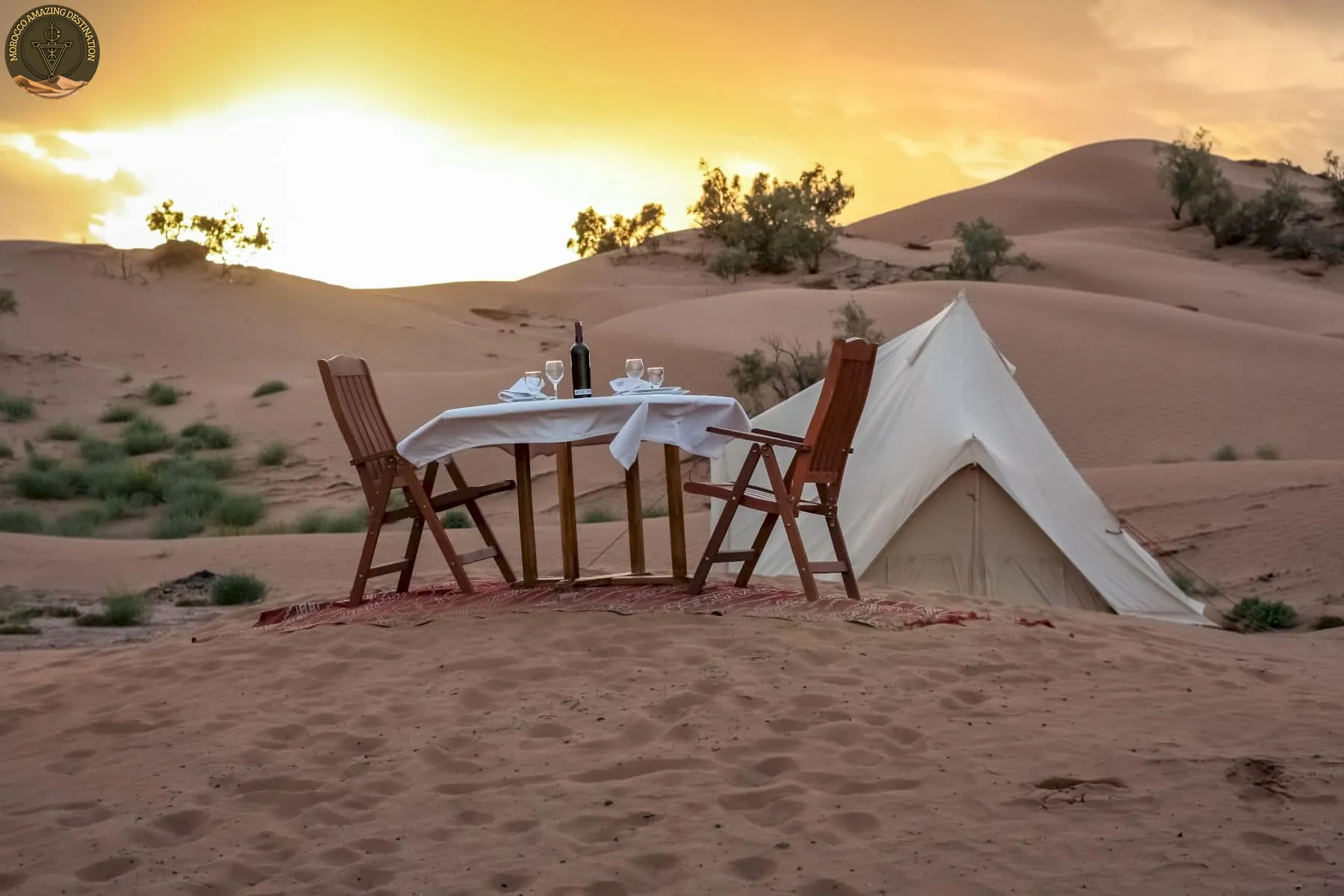
Most film-location trips end with a photograph of yourself standing where a scene happened. Good Kill offers no such picture. The Good Kill filming locations in Morocco exist as pixels on a drone operator’s monitor, and there is no address to walk into. Andrew Niccol and cinematographer Amir Mokri went to the desert near Ouarzazate before the shoot. The footage they brought back fills the screens inside a military trailer in Nevada. No actor stood in that sand.
In this guide, we will break down what the production actually shot in Morocco, why the desert only ever appears on a screen, and how you can drive through that same landscape yourself.
The Good Kill Filming Location You Can’t Visit
There is nowhere to stand. Good Kill Morocco work happened in pre-production, roughly a week of it, before the cast was on set. Principal photography took place in New Mexico, where the suburban Las Vegas house and the ground control station were built. The film’s location credit names New Mexico alone.
Travellers looking for a set to tour will not find one. What the production left behind in the south is footage. Those frames are the only place Morocco appears in the finished film:
- No set: nothing was built near Ouarzazate for this story.
- No scene: no actor performs in front of a Moroccan backdrop.
- No marker: there is no sign, plaque or address to search for.
What Morocco Actually Supplied: A Week of Desert Plates
Editor Zach Staenberg described the trip plainly in CineMontage. Niccol and Mokri went to Morocco for about a week during pre-production and shot what would become plates for the GCS trailer, as the script required. The Moroccan production-services company Dune Films serviced the unit, and the production record gives a single Ouarzazate filming location: the city of Ouarzazate, Idelssane.
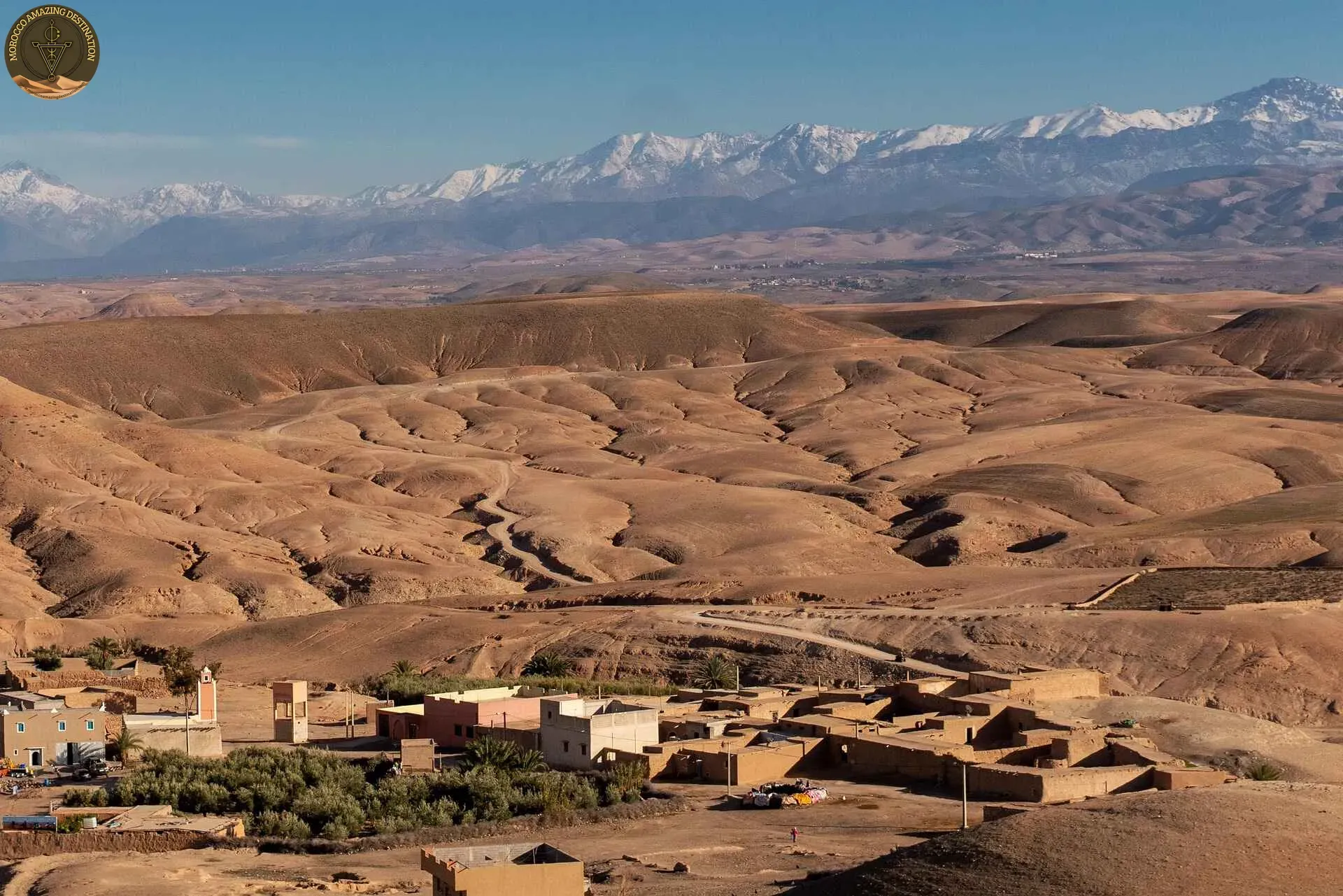
That week produced more than sky and sand. Staenberg says the team found a building and filmed it with helicopters and cranes. Post-production then presented it as the drone’s point of view for the arms-dump strike. He rough-cut the Moroccan material for about two weeks before the shoot, dropping in stock explosions pulled off the internet. Niccol played that cut on set to guide the actors. Nothing in that footage was chosen to be recognisable, because the plates had to pass as generic arid country on a small screen.
Inside the Trailer: Where a Desert Becomes a Monitor
Staenberg calls the ground control station an 8-by-30-foot metal box, and the film’s Afghan and Yemeni stories reach the audience through its screens. His rough cut began with over-the-shoulder framing. He and Niccol pushed the monitor images to full screen. That framing put viewers inside the heads of Tommy Egan and the rest of the crew.
Three decisions keep Morocco at a distance:
- The box: the trailer interior is the film’s real geography, and the desert is only what shows on its displays.
- The full-screen push: plate footage fills the frame, so the landscape arrives without horizon or scale.
- Real time: strike scenes count down five to ten seconds to impact, and Staenberg played them out at that pace.
His summary of the result is blunt. The audience sees it from the drone’s camera, and the crew never gets on the ground. The Good Kill drone footage Morocco supplied came from helicopters, cranes and post-production work. Niccol also shot bird’s-eye views of the Nevada desert, because both environments, in his words, have some eerie physical similarities.
Idelssane, East of Ouarzazate: The Plain That Plays Afghanistan and Yemen
Idelssane is a rural commune of Ouarzazate Province in the Skoura area, east of the city on the road toward the Dades valley. Flat stony hammada, dry riverbeds, palm oases along the Draa and Dades, eroded ridges. It is terrain that reads as somewhere arid and mountainous without naming a country. Ouarzazate sits at roughly 1,150 m on a bare plateau south of the High Atlas.
Location manager Christian McWilliams told the production-services network that Moroccan teams have scouted and doubled the country for:
- Syria, Afghanistan and Iraq
- Jordan, Egypt and Sudan
- Saudi Arabia and Iran
That range comes with infrastructure. Atlas Studios covers more land than any other film studio. One survey of the local industry puts foreign film and TV production around Ouarzazate at roughly 20 to 50 titles a year. The same plateau has stood in for the Holy Land many times over, as our guide to the Kingdom of Heaven filming locations in Morocco shows.
Seeing That Desert for Real
You cannot tour the shot, but you can drive the ground it came from. Ouarzazate is about 200 km and 3.5 to 4 hours from Marrakech over the Tizi n’Tichka pass, and it has its own airport. Ait Benhaddou, a UNESCO World Heritage site, sits roughly 30 km west. If the studio side of the story interests you, our Atlas Studios Ouarzazate guide covers the set tours.
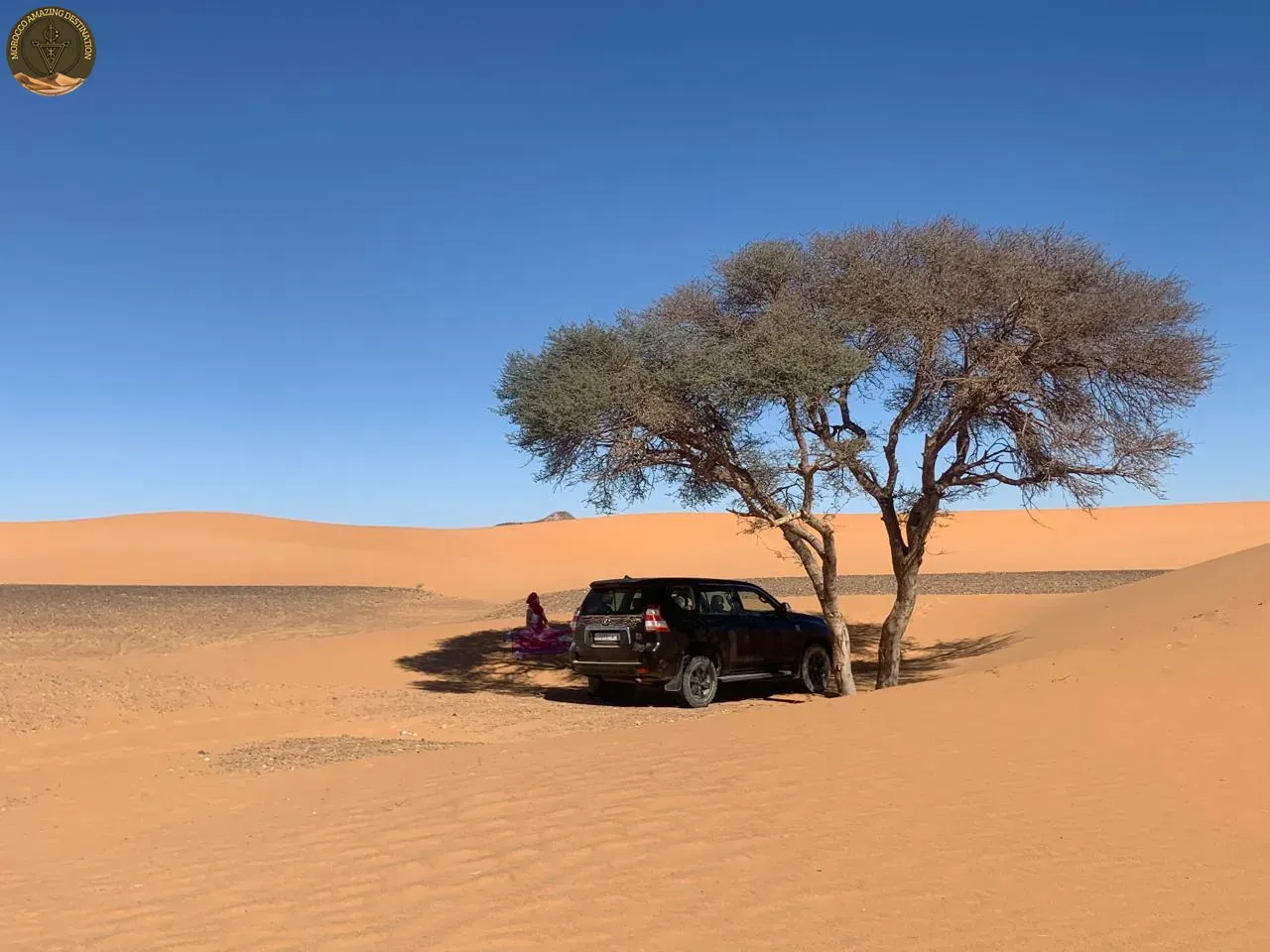
From the ground the plain looks like a plain: dusty, enormous, short on landmarks. That gap is what the film hides. At altitude those stones read as Afghanistan. At eye level they read as a road with a lot of sky. The drive itself earns the trip: switchbacks to the Tizi n’Tichka pass at 2,260 m, then the plateau opening south.
Our 4-Day Morocco Desert Tour from Ouarzazate leaves from the same city and runs toward Merzouga. The route passes the kasbahs and palm oases that fill those drone plates. If you would rather finish in Marrakech, the 4-Day Guided Morocco Tour from Ouarzazate to Marrakech crosses the Atlas passes with a private driver-guide.
We can customize a tour to match your needs - design your perfect itinerary
If you found this helpful, add us as your preferred source on Google.
Frequently Asked Questions
Can you visit the Good Kill filming locations in Morocco?
No. Morocco appears only as plate footage on the drone operators' screens. There is no set, no scene with actors and no marked spot. The desert material was shot near Ouarzazate, in the Idelssane area east toward Skoura, but nothing remains on the ground.
Where was Good Kill filmed?
Principal photography took place in New Mexico, where the suburban Las Vegas house and the ground control station were built. Morocco contributed roughly a week of pre-production plate work near Ouarzazate, serviced by the Moroccan company Dune Films.
Is the drone footage in Good Kill real?
No. The screen imagery was manufactured from Moroccan desert plates, a real building filmed with helicopters and cranes for the arms-dump strike, and post-production work. The director has said the footage had to look exactly the way the military had it.
Why was Morocco used instead of Afghanistan or Yemen?
Because the desert around Ouarzazate reads as generic arid mountain-and-plain country, sits close to trained crews and studio infrastructure, and is far cheaper and safer than shooting in either country. Moroccan location teams have doubled the country for Afghanistan, Yemen, Syria and Iraq for decades.
Ready for an Adventure?
Have questions? Feel free to contact us using the form below. We're here to help!