
· Travel · 13 min read
Fes to Chefchaouen to Tangier: The Ultimate Northern Morocco Itinerary
Plan your Fes to Chefchaouen to Tangier trip with our complete guide. Discover top attractions, transport options, and expert tips for northern Morocco's best route.
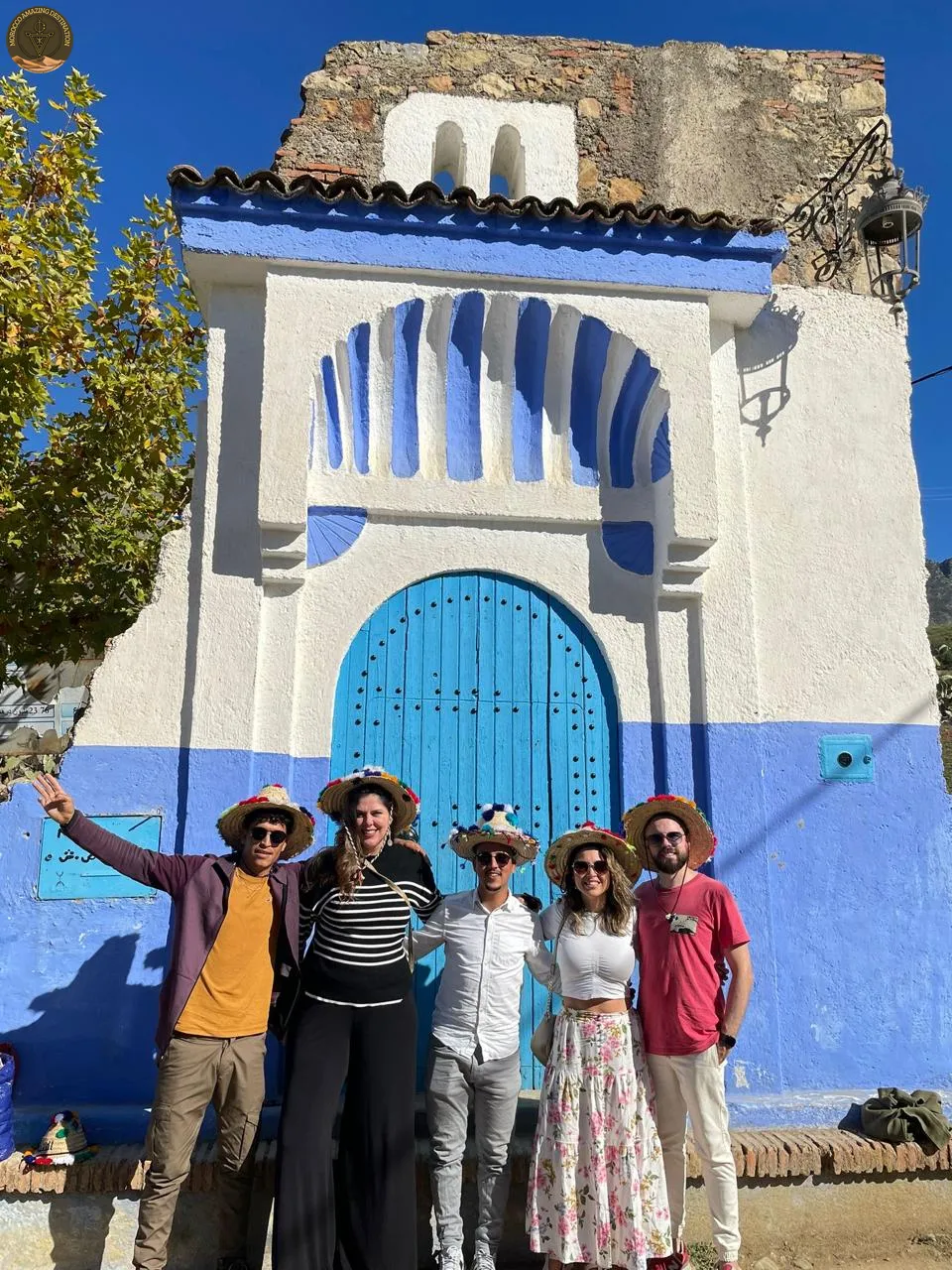
Few journeys capture the soul of northern Morocco like the Fes to Chefchaouen to Tangier route. In the span of a few days, you move from the ancient alleys of the country’s oldest imperial city through the dreamlike blue-washed streets of a mountain sanctuary to a legendary port city where Africa and Europe almost touch. The Fes to Chefchaouen to Tangier itinerary is not just a transit corridor — it is a standalone travel experience that delivers culture, nature, and history in equal measure.
Whether you are planning a fast-paced road trip or a leisurely multi-day adventure, this guide covers everything you need to make the most of the Fes Chefchaouen Tangier itinerary. From must-see attractions and transport logistics to where to stay and what to eat, here is your complete northern Morocco travel plan.
Fes: Morocco’s Spiritual Capital
No Fes to Chefchaouen to Tangier journey makes sense without properly experiencing Fes first. The oldest of Morocco’s imperial cities, Fes is an overwhelming sensory feast — and that is exactly what makes it unforgettable.
What to See in Fes
Fes el-Bali (Old Medina) — A UNESCO World Heritage site and one of the largest car-free urban areas on earth. With over 9,000 winding alleys, getting lost is not a possibility; it is a guarantee. Embrace it.
Al-Qarawiyyin University — Founded in 859 AD, it is recognized as the oldest continuously operating university in the world. While non-Muslims cannot enter, you can glimpse its courtyard through the main gate.
Chouara Tannery — The iconic leather tanneries of Fes have operated since the 11th century. Head to one of the surrounding leather shop terraces for the classic overhead view. A sprig of mint for your nose is usually provided.
Bou Inania Madrasa — A 14th-century theological college and one of the few religious buildings in Morocco open to non-Muslim visitors. The zellij tilework, carved stucco, and cedar wood ceilings are breathtaking.
Bab Bou Jeloud (Blue Gate) — The grand entrance to the old medina and a perfect orientation point. The ornate blue and green tiles mark the boundary between the old city and the new.
Where to Stay in Fes
Fes is famous for its restored riads — traditional courtyard homes turned boutique guesthouses. Staying in a riad within or near the medina puts you at the heart of the action. Look for properties with rooftop terraces offering views over the old city. Budget-friendly riads start around €40 per night while luxury options range from €100 to €300.
How Long to Spend in Fes
Set aside two full days at minimum. Rushing Fes in a single day means missing the rhythm of the city. If your Fes Chefchaouen Tangier itinerary allows, three days gives you time to add a cooking class, a hammam experience, or a day trip to the Roman ruins of Volubilis and the imperial city of Meknes.
Fes to Chefchaouen: Through the Rif Mountains
The first leg of the journey covers roughly 200 kilometers and takes 3.5 to 4 hours by road. The route follows the N13 and N2 highways, winding through the foothills of the Rif Mountains. The landscape transitions from the flat agricultural plains around Fes to increasingly dramatic mountain terrain as you approach Chefchaouen.
Transport Options from Fes to Chefchaouen
- Private driver or guided tour: The most comfortable and flexible option. You can stop for photos at mountain viewpoints and arrive at your riad door. Prices range from €80 to €120.
- CTM bus: The most affordable choice at around €8 to €10 per person. Buses depart daily from Fes CTM station and take roughly 4 hours. Book online or at the station a day ahead during busy periods.
- Grand taxi: Shared six-passenger taxis depart when full from the Fes grand taxi station. Faster than the bus but tight on space. Expect to pay around €10 to €15 per seat.
Where to Stop Along the Way
The town of Ouazzane makes for a pleasant midway break. Known for its white-washed medina and religious significance, it offers a quieter, less touristy glimpse of mountain life. Grab a mint tea at a roadside café and stretch your legs before continuing to the blue city.
Chefchaouen: Morocco’s Blue Pearl
Arriving in Chefchaouen feels like stepping into a painting. Every wall, doorway, staircase, and alleyway is washed in shades of blue — from pale sky tones to deep indigo. The Fes to Chefchaouen to Tangier route pauses here for a reason: Chefchaouen is one of the most photogenic places on earth and a highlight of any northern Morocco travel route.
Why Is Chefchaouen Blue?
Theories vary. Some say the blue keeps mosquitoes away. Others trace it to Jewish refugees who arrived in the 1930s, bringing the tradition of painting buildings blue to mirror the sky and remind them of God. Whatever the origin, the result is magical — and endlessly Instagrammable.
Top Things to Do in Chefchaouen
- Wander the blue medina: There is no set route. Pick a direction and follow the blue. The most photographed spots include Rue Outiwi and the flower-pot-adorned staircases near the kasbah.
- Plaza Uta el-Hammam: The main square, lined with cafés and restaurants. Order a fresh orange juice or a pot of mint tea and watch the town go by.
- Kasbah Museum: A 15th-century fortress at the edge of the square housing a small ethnographic museum and a tranquil Andalusian garden. The tower offers panoramic views of the medina.
- Spanish Mosque (Bouzafer Mosque): A 30-minute uphill walk from the medina leads to this abandoned mosque with the best sunset view over Chefchaouen. The white building against the blue town and green mountains is a photographer’s dream.
- Ras el-Maa: A small waterfall and spring just outside the medina walls where locals gather to wash clothes and cool off. A refreshing stop during summer months.
- Local handicrafts: Chefchaouen is known for wool blankets, woven goods, and goat cheese. The quality and prices are often better than in larger cities.
Where to Stay in Chefchaouen
An overnight stay is practically mandatory for a proper Fes Chefchaouen Tangier itinerary. The blue medina is at its most enchanting in the early morning and late evening when day-trippers are absent. Riads with mountain-view terraces start around €35 per night. Book a property inside the medina to wake up surrounded by blue.
Where to Eat in Chefchaouen
Chefchaouen’s cuisine reflects its mountain setting. Try baissara (dried fava bean soup) for breakfast, tagine with goat meat and prunes, and local goat cheese drizzled with olive oil. Restaurant Tissemlal and Bab Ssour are popular choices on the main square, while smaller family-run spots in the side streets offer more authentic experiences.
Chefchaouen to Tangier: The Final Leg
The second leg of the journey covers approximately 120 kilometers and takes 2 to 2.5 hours. The road descends from the Rif Mountains toward the Mediterranean coastline, and the air changes noticeably — cooler, saltier, with a hint of sea breeze by the time you approach Tangier.
Transport Options from Chefchaouen to Tangier
- Private driver or guided tour: Around 2 hours door-to-door with the flexibility to stop at viewpoints. Prices range from €50 to €80.
- CTM bus: Daily departures from Chefchaouen CTM station, approximately 2.5 hours, around €5 to €7 per person.
- Grand taxi: Shared taxis run throughout the day, taking about 2 hours for €8 to €12 per seat.
The road quality is generally good, though the mountain sections can be winding. If you are prone to motion sickness, consider taking medication beforehand and sitting in the front.
Tangier: Where the Mediterranean Meets the Atlantic
Tangier is the final stop on the Fes to Chefchaouen to Tangier route, and it offers a striking contrast to the previous two cities. Cosmopolitan, coastal, and shaped by decades of international influence, Tangier has long been a crossroads of civilizations. The city sits at the Strait of Gibraltar, where Africa and Europe are separated by just 14 kilometers of water.
Top Things to Do in Tangier
Tangier Medina (Old Town) — Smaller and easier to navigate than the medina in Fes, Tangier’s old town climbs uphill from the port. The Petit Socco and Grand Socco squares are lively gathering points, and the surrounding streets are filled with cafés, artisan shops, and historic buildings.
Kasbah Museum (Dar el-Makhzen) — Housed in the former sultan’s palace at the top of the medina, the museum showcases Moroccan arts and artifacts. The Andalusian garden inside is a peaceful retreat from the bustle below.
Café Hafa — Opened in 1921, this cliffside café is a Tangier institution. Writers from Paul Bowles to the Beat Generation have sat on its terraced steps, sipping mint tea and gazing across the Strait toward Spain. The view alone is worth the visit.
Cap Spartel — About 14 kilometers west of Tangier, this is where the Atlantic Ocean meets the Mediterranean Sea. The lighthouse has guided ships since 1864, and the coastal road leading to it offers dramatic ocean views.
Hercules Cave (Grottes d’Hercule) — Just south of Cap Spartel, these natural sea caves feature an opening shaped like the map of Africa — a favorite photo stop. Legend holds that Hercules rested here after completing his twelve labors.
American Legation Museum — The first American public property outside the United States, gifted by Sultan Moulay Suliman in 1821. The museum explores the long diplomatic and cultural relationship between Morocco and the United States.
St. Andrew’s Church — A unique Anglican church built in a Moorish architectural style, with Arabic calligraphy inscriptions alongside Christian imagery. A quiet and beautiful corner of the city.
Where to Stay in Tangier
Tangier offers everything from restored medina riads to modern beachfront hotels. The medina area is atmospheric and close to most attractions, while the Ville Nouvelle (new town) offers wider streets, larger hotels, and more nightlife options. Budget riads in the medina start around €35 per night; luxury options with sea views range from €120 upward.
Suggested Time in Tangier
Two full days allow you to cover the medina, the kasbah, Cap Spartel, and the Hercules Caves at a comfortable pace. If you have extra days, consider a day trip south to the artsy coastal town of Asilah, known for its white-washed medina and annual mural festival.
Sample Fes to Chefchaouen to Tangier Itineraries
3-Day Quick Route
- Day 1: Full day exploring Fes (medina, tanneries, madrasas). Overnight in Fes.
- Day 2: Morning drive to Chefchaouen (3.5 hours). Afternoon and evening exploring the blue medina. Overnight in Chefchaouen.
- Day 3: Morning in Chefchaouen, then drive to Tangier (2.5 hours). Afternoon exploring Tangier medina and kasbah.
5-Day Balanced Itinerary
- Day 1: Arrive in Fes, explore medina.
- Day 2: Full day Fes — tanneries, Al-Qarawiyyin, Bou Inania, cooking class or hammam.
- Day 3: Drive to Chefchaouen. Afternoon exploring the blue streets, sunset at Spanish Mosque.
- Day 4: Morning in Chefchaouen (photography, shopping). Drive to Tangier in the afternoon. Evening at Café Hafa.
- Day 5: Full day Tangier — Cap Spartel, Hercules Cave, kasbah, medina souks.
7-Day Deep Exploration
- Days 1-2: Fes (add a day trip to Volubilis and Meknes).
- Day 3: Drive to Chefchaouen. Explore medina, kasbah, Ras el-Maa.
- Day 4: Full day Chefchaouen — hiking in the surrounding Rif Mountains, Talassemtane National Park, or a cooking class.
- Day 5: Drive to Tangier. Afternoon in the medina.
- Day 6: Full day Tangier — Cap Spartel, Hercules Cave, American Legation Museum, evening at Café Hafa.
- Day 7: Day trip to Asilah or departure via Tangier Ibn Battouta Airport or ferry to Spain.
Best Time to Travel the Fes to Chefchaouen to Tangier Route
The ideal seasons for this northern Morocco travel route are spring (March to May) and autumn (September to November). During these months, daytime temperatures are pleasant — typically 20°C to 28°C — and the Rif Mountain landscapes are at their greenest after spring rains.
Summer (June to August) can be hot in Fes, where temperatures regularly exceed 35°C, though Chefchaouen’s mountain elevation keeps it cooler and Tangier benefits from coastal breezes. If traveling in summer, plan outdoor activities for early morning or late afternoon.
Winter (December to February) brings cooler temperatures, especially in Chefchaouen and the mountains, where nights can drop close to freezing. On the plus side, tourist crowds are minimal, accommodation prices drop, and the snow-dusted Rif Mountains offer spectacular photography.
Practical Tips for Your Fes Chefchaouen Tangier Itinerary
Packing: Layers are your friend. Even in summer, Chefchaouen evenings can be cool. Comfortable walking shoes are essential — all three cities involve steep, uneven streets and countless steps. A scarf or shawl is useful for mosque visits and sun protection.
Currency: The Moroccan Dirham (MAD) is a closed currency. Bring cash (EUR or USD) and exchange at official bureaus in Fes or Tangier. ATMs are widely available in all three cities. Chefchaouen has fewer ATMs, so withdraw cash in Fes before departing.
Language: French is widely spoken alongside Moroccan Arabic (Darija). English is common in tourist areas of Chefchaouen and Tangier but less so in the deeper parts of the Fes medina. Learning a few Darija phrases — salaam (hello), shukran (thank you), bsaha (to your health) — goes a long way.
Getting around within cities: All three medinas are best explored on foot. Tangier also has petit taxis for longer distances within the city. Agree on a price or insist on the meter before getting in.
Internet and SIM cards: Free Wi-Fi is common in riads and cafés. For constant connectivity, buy a local SIM card (Maroc Telecom, Orange, or Inwi) at the airport or in any major city. A 10 GB data package typically costs around €5 to €10.
Why the Fes to Chefchaouen to Tangier Route Deserves Your Time
The Fes to Chefchaouen to Tangier journey is more than a line on a map. It is a narrative that takes you from the medieval intellectual heart of Morocco through its most serene mountain sanctuary to its most cosmopolitan coastal hub. In a country of extraordinary contrast, few routes deliver so much diversity in so few kilometers.
Whether you are a solo traveler, a couple, or a family, this northern Morocco travel route rewards those who slow down enough to savor each stop. Do not treat Chefchaouen as a photo break. Do not rush Tangier as a ferry departure point. Give each city the time it deserves, and the Fes to Chefchaouen to Tangier itinerary will become one of the highlights of your Moroccan adventure.
Ready to explore this route with expert guidance? At Morocco Amazing Destination, we offer carefully crafted tours that cover the entire Fes to Chefchaouen to Tangier route — and beyond. Our 9-Day Morocco Tour from Fez to Tangier takes you from the imperial city of Fes through Chefchaouen, the Sahara Desert, Marrakech, and up to Tangier for the ultimate northern Morocco experience. If you are starting from Tangier, our 5-Day Tour to Chefchaouen & Imperial Cities from Tangier covers Chefchaouen, Fes, Meknes, Rabat, and the Roman ruins of Volubilis in a compact and unforgettable journey.
Every tour is led by local guides who know these cities intimately, and all transportation is private, comfortable, and flexible. Prefer a different route or exact number of days? We also offer fully customized tours tailored to your interests, pace, and budget. Contact us to start planning your personalized Fes to Chefchaouen to Tangier adventure today.
If you found this helpful, add us as your preferred source on Google.
Frequently Asked Questions
How long does it take to travel from Fes to Chefchaouen to Tangier?
The **Fes to Chefchaouen to Tangier** route takes approximately 5.5 to 6.5 hours of total driving time without extended stops. The first leg from Fes to Chefchaouen covers roughly 200 km and takes 3.5 to 4 hours through the scenic Rif Mountains. The second leg from Chefchaouen to Tangier is about 120 km and takes 2 to 2.5 hours. With stops for photos, meals, and sightseeing, plan for a full day of travel or better yet, break the journey into a multi-day itinerary.
How many days do I need for a Fes Chefchaouen Tangier itinerary?
A **minimum of 3 days** is recommended for a meaningful Fes to Chefchaouen to Tangier experience — one day to explore Fes, one day to travel to and discover Chefchaouen with an overnight stay, and one day to reach Tangier with time to explore. For a more relaxed pace, a **5-day itinerary** allows full days in each city without rushing. A **7-day itinerary** gives you time to add nearby excursions such as Volubilis, Meknes, or Asilah from Tangier.
What is the best way to travel between Fes, Chefchaouen, and Tangier?
The best option depends on your budget and travel style. A **private car or guided tour** offers maximum flexibility, door-to-door convenience, and the ability to stop for photos along the Rif Mountain roads. **CTM buses** are the most affordable choice and run on both segments, though you will need to book two separate tickets. **Grand taxis** are faster than buses but less comfortable on winding mountain roads. For first-time visitors, a guided tour that handles all transport and provides a local guide in each city is the most stress-free and enriching option.
Is it better to start in Fes or Tangier?
Both directions work well, but **starting in Fes and ending in Tangier** is often preferred. Beginning in the cultural depth of Fes, relaxing in the mountain charm of Chefchaouen, and finishing with the coastal breeze of Tangier creates a satisfying narrative arc — from ancient to modern, from inland to coast. If you are arriving by ferry from Spain, starting in Tangier and heading to Fes via Chefchaouen makes logistical sense. Both routes offer an equally rewarding journey through northern Morocco.
Ready for an Adventure?
Have questions? Feel free to contact us using the form below. We're here to help!