
· Travel · 4 min read
El Jadida Markets: Souk, Medina & Fish Market Guide
Plan your El Jadida markets visit: souks inside the Portuguese medina, the central market, the fish market and how to bargain.
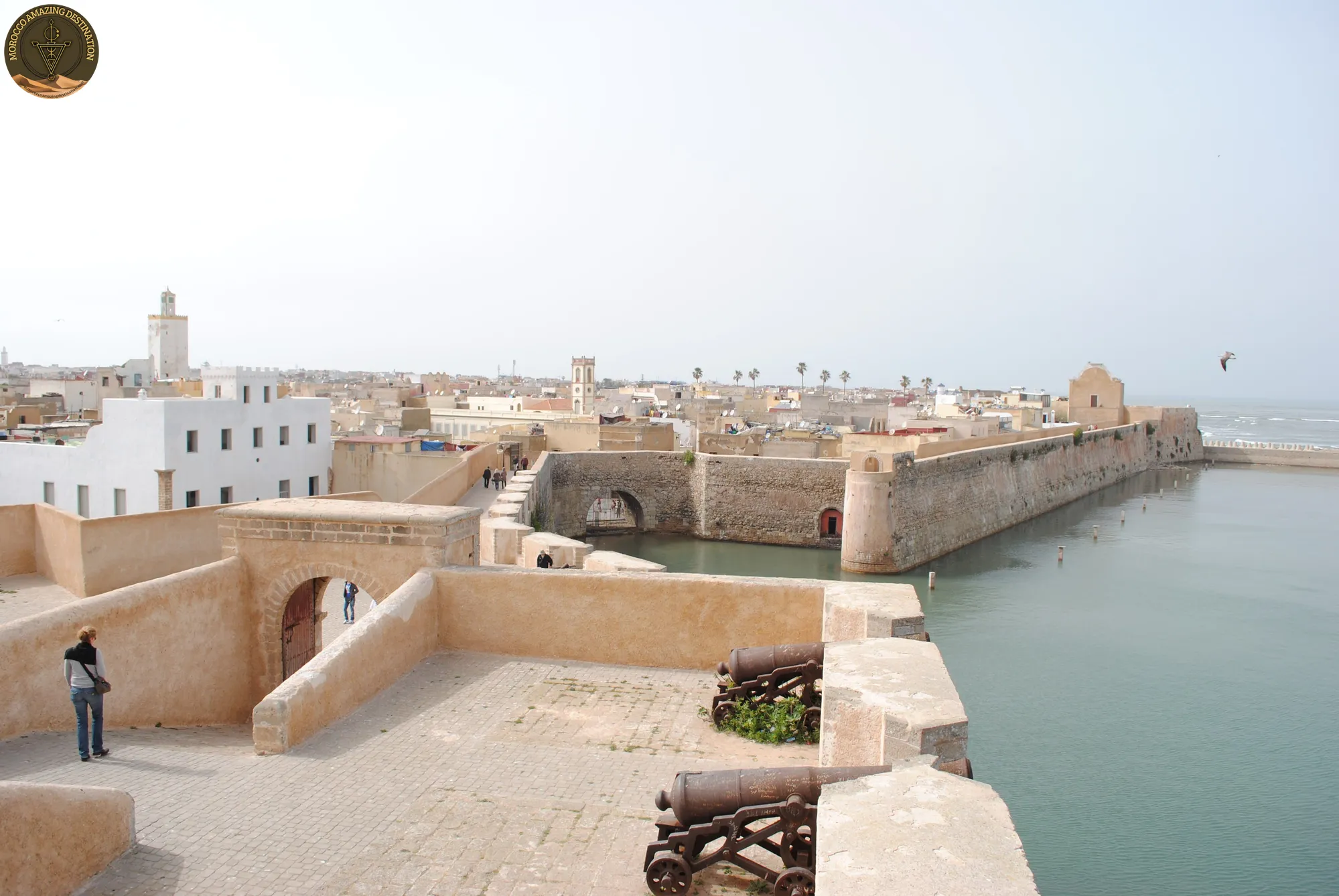
Most travellers speed past El Jadida on the road between Casablanca and Marrakech, missing one of Morocco’s most honest market towns. Which El Jadida markets are worth your time? The city has four layers of shopping: artisan workshops in the Portuguese-walled medina, a two-storey central market, an Atlantic fish market tied to the sardine coast, and weekly souks on the edge of town. All are genuinely local, and worth a visit.
In this guide, we will break down each market, what you can buy, and how to shop with confidence.
Inside the Portuguese Medina: Souks Within the Walled City
The El Jadida medina is unlike any other in Morocco, and that is exactly what makes it good for shopping. The city began as Mazagan, a 16th-century Portuguese fortified trading post, and today UNESCO lists the Portuguese City of Mazagan as a World Heritage site. Inside the ochre ramparts is not a sprawling bazaar, but a tight web of lanes where makers sell what they make.
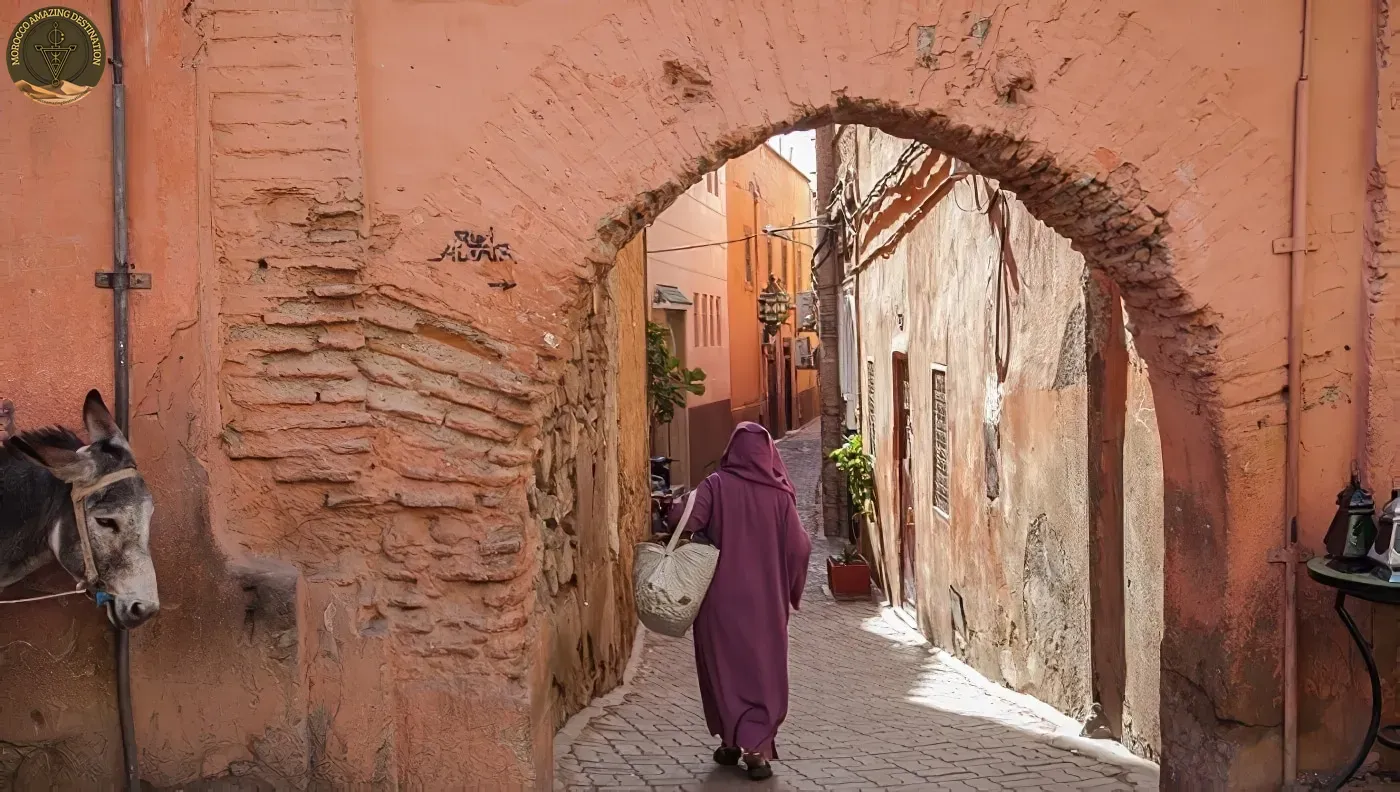
The lanes are small and walkable. The standout trade is pottery and ceramics connected to Tayana Bouchrite — hand-thrown plates, tagines and bowls sold in open-front studios rather than glass display cases.
Worth seeking out:
- Ceramics and pottery: the medina’s signature craft, made and sold on the same street.
- Small artisan workshops: metalwork, leather and carved wood in working studios.
- Early-morning quiet: lanes are calm before the day-trippers arrive.
The Central Market: El Jadida’s Everyday Larder
If you only have time for one stop, make it the Central Market. Locals simply call it Souk El Jadida, and it works as the city’s everyday larder — a compact two-storey building where real business starts early.
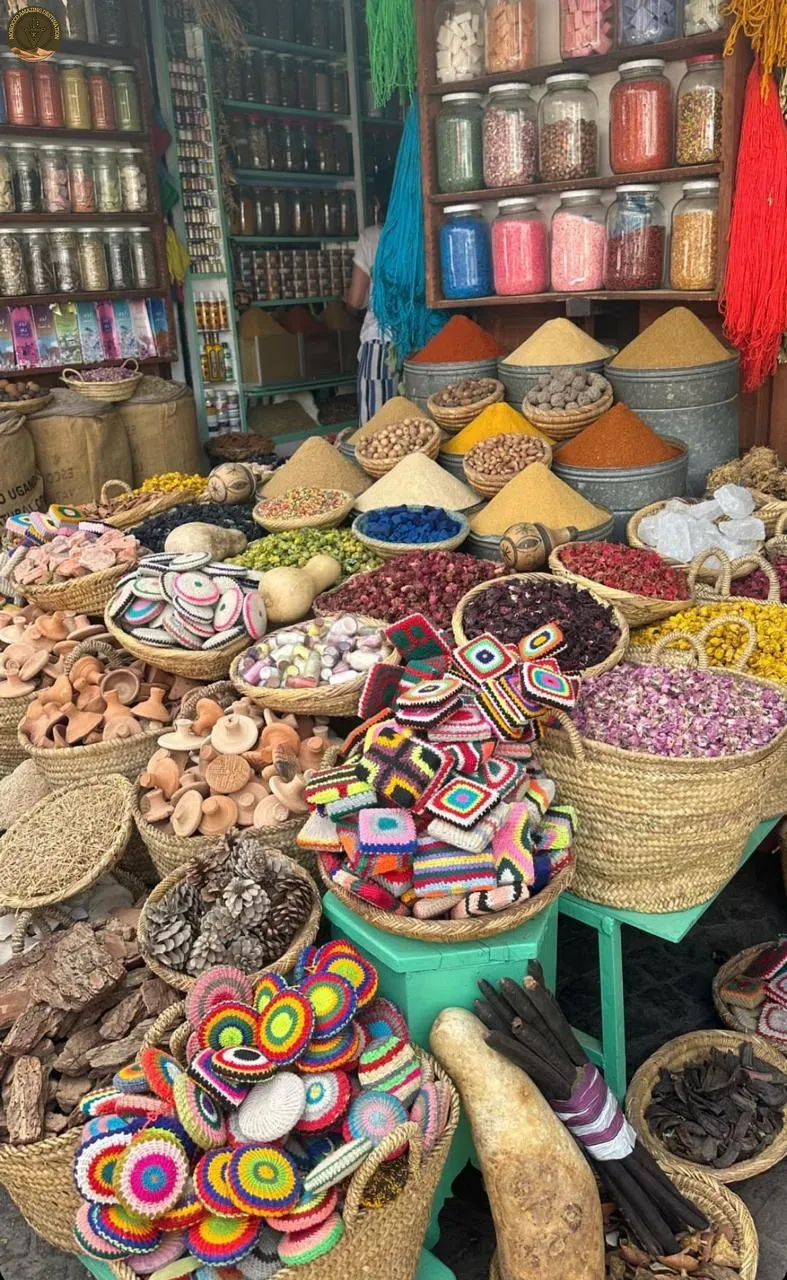
The ground floor carries meat, poultry, fruit, vegetables, flowers and groceries, with small cafés serving plain, good food. Around the edges you will find olives and olive oil, herbs and spices, breads, pastries, and dairy from the Doukkala hinterland.
What to buy there:
- Olives and olive oil: pressed locally, sold by the jar, easy to carry.
- Spices and herbs: buy small amounts, because ground spices lose aroma fast.
- Bread and pastries: affordable, warm and best eaten the same day.
Fish and the Atlantic Catch at El Jadida’s Port
El Jadida grew up around fishing, and the sea still sets the town’s rhythm. This is one of Morocco’s Atlantic sardine ports — the country ranks among the world’s leading sardine producers — which makes the El Jadida fish market the most authentic anchor of any market crawl.
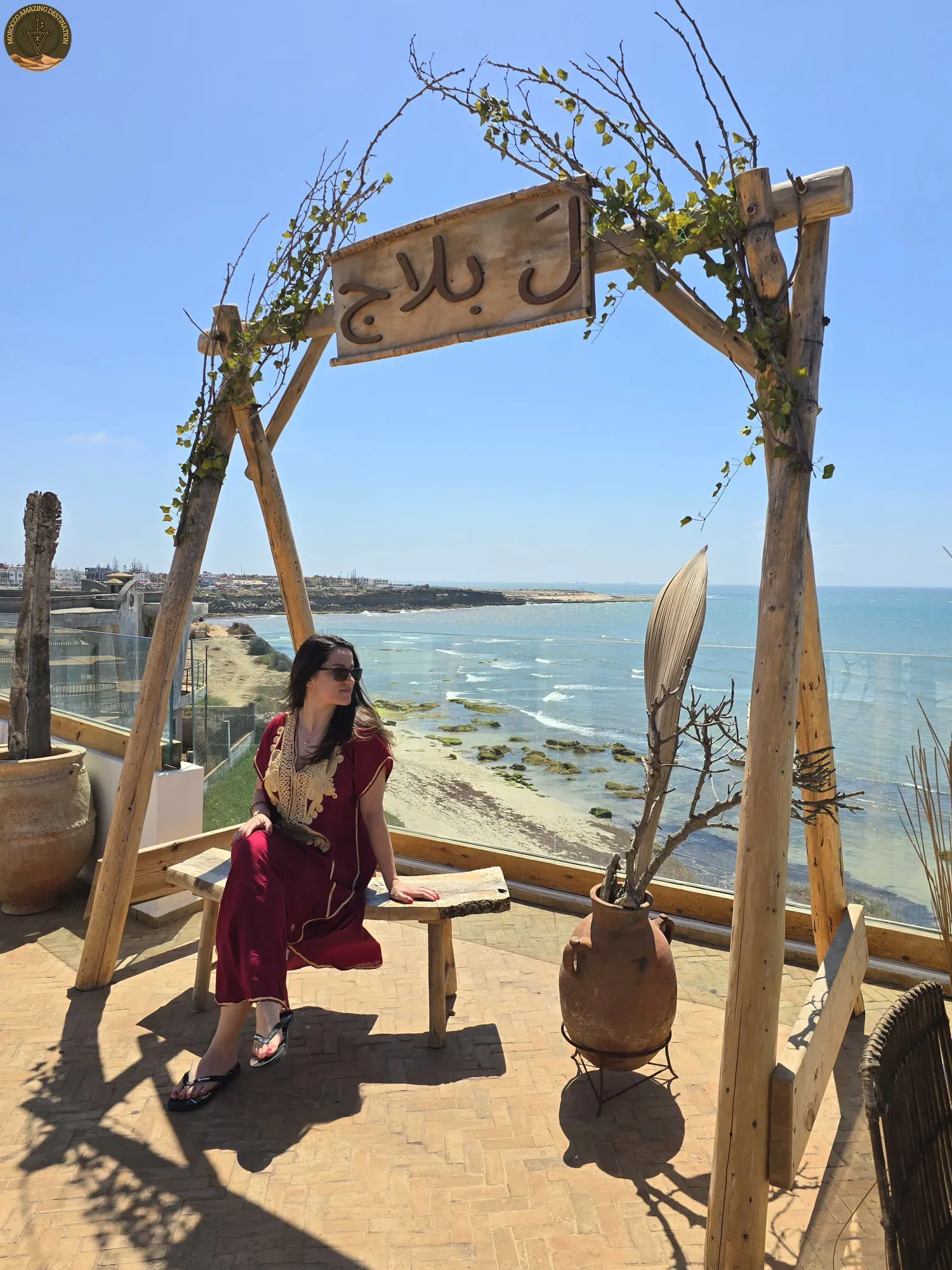
Expect sardines first, then sea bream, shellfish and whatever the season delivers. Simple kitchens near the water grill what was landed that morning, so the day’s menu follows the boats.
One caveat: access to the working port has been restricted at times, so do not plan on strolling the quays. Treat the catch and the seafood culture as the draw, and ask locally on the day.
Beyond the Centre: Weekly Souks and Flea Finds
Move away from the centre and El Jadida turns properly local. Beyond the medina, the El Jadida souk circuit runs weekly rather than daily: rural sellers, household goods, kitchenware and second-hand stalls spread out on the edge of town.
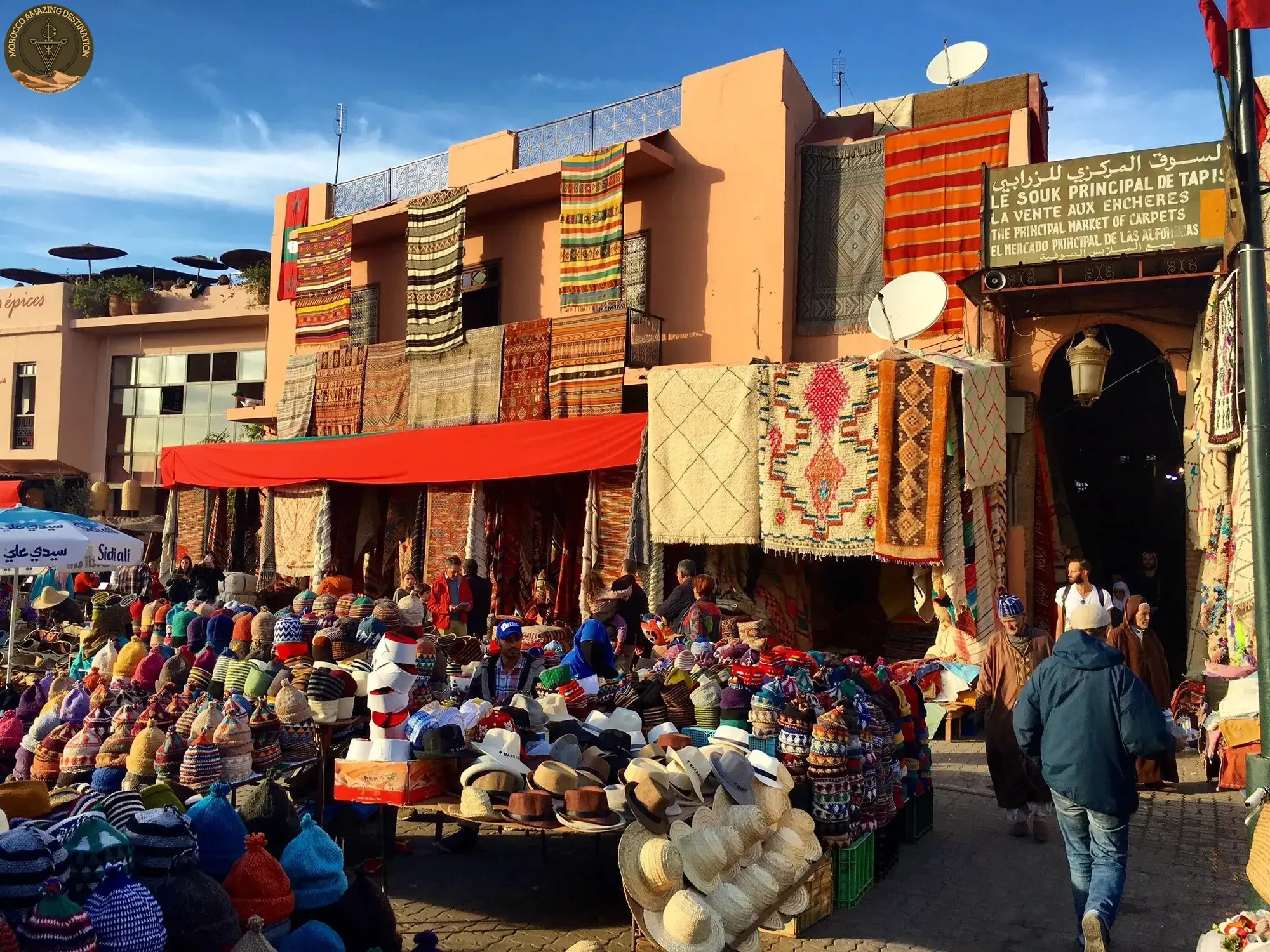
Souk el Hamra draws rural sellers to the town fringe. Lalla Zahra is a busy second-hand market where you dig for bargains, and a weekly Sunday market brings farmers in from the countryside. A local guide can time your visit to the right morning.
Published schedules differ, so treat days and hours as flexible: mornings are busiest, and the atmosphere softens through the afternoon. Bring cash, expect to negotiate, and remember these are working markets for locals.
Shopping Smart: What to Buy and How to Bargain
Shopping here rewards preparation. Bargaining is expected in souks and street markets; fixed-price shops and cafés are the exception. Start low and stay friendly.
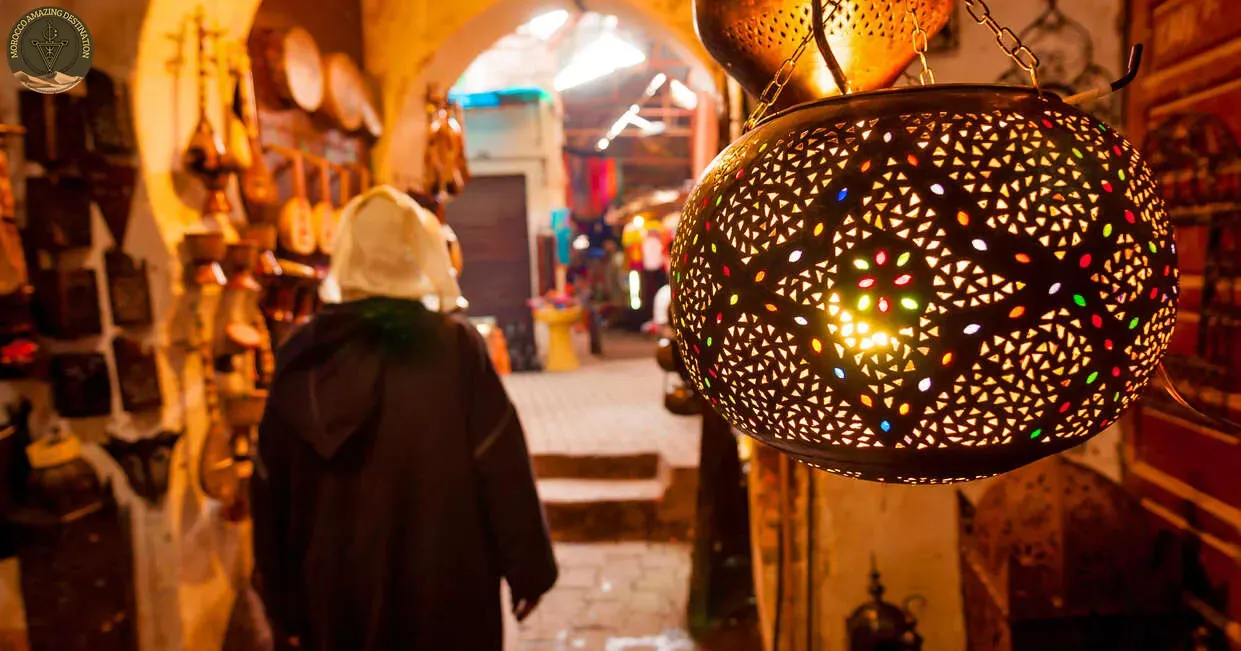
Carry cash in small dirham notes, because markets rarely accept cards — larger city shops usually do.
Best buys to take home:
- Pottery and ceramics: the medina’s signature craft and the easiest to pack.
- Olive oil and olives: everyday Doukkala produce with real character.
- Spices: buy sealed and in small quantities to keep the aroma.
- Woven baskets and leather: light, useful and open to negotiation.
If haggling is not your idea of a holiday, a private driver-guide can handle transport, timing and translation, so you shop when you want and skip the rest.
El Jadida sits about 90-100 km southwest of Casablanca — roughly 1.5 hours by road — so a market morning fits any coastal route. Our 15-Day Grand Cultural Tour to Explore Morocco from Tangier stops in El Jadida on the coastal road, and the 12 Days Tour from Casablanca — Grand Desert & Imperial Cities starts in Casablanca.
We can customize a tour to match your needs — design your perfect itinerary
If you found this helpful, add us as your preferred source on Google.
Frequently Asked Questions
How many markets does El Jadida have?
El Jadida has four strands: artisan shops inside the Portuguese-walled medina, the two-storey Central Market, a fish market tied to the port, and weekly souks on the edge of town.
What should I buy at the markets in El Jadida?
Pottery and ceramics from the medina, olives and olive oil, spices, fresh Doukkala produce and Atlantic fish are the best buys.
Is the fish market in El Jadida worth visiting?
Yes, especially in the morning. Access to the working port area has been restricted at times, so ask locally on the day rather than assuming you can stroll the quays.
Do you bargain in El Jadida markets, and do they take cards?
Bargaining is normal in souks and street markets: start low, stay friendly and walk away if the price is wrong. Markets rarely take cards, so bring cash.
Ready for an Adventure?
Have questions? Feel free to contact us using the form below. We're here to help!