· Travel · 5 min read
Eid al-Adha in Morocco: What Travelers Should Know
Eid al-Adha in Morocco: what closes, how trains and taxis behave, which cities cope best, and how to be a good guest.
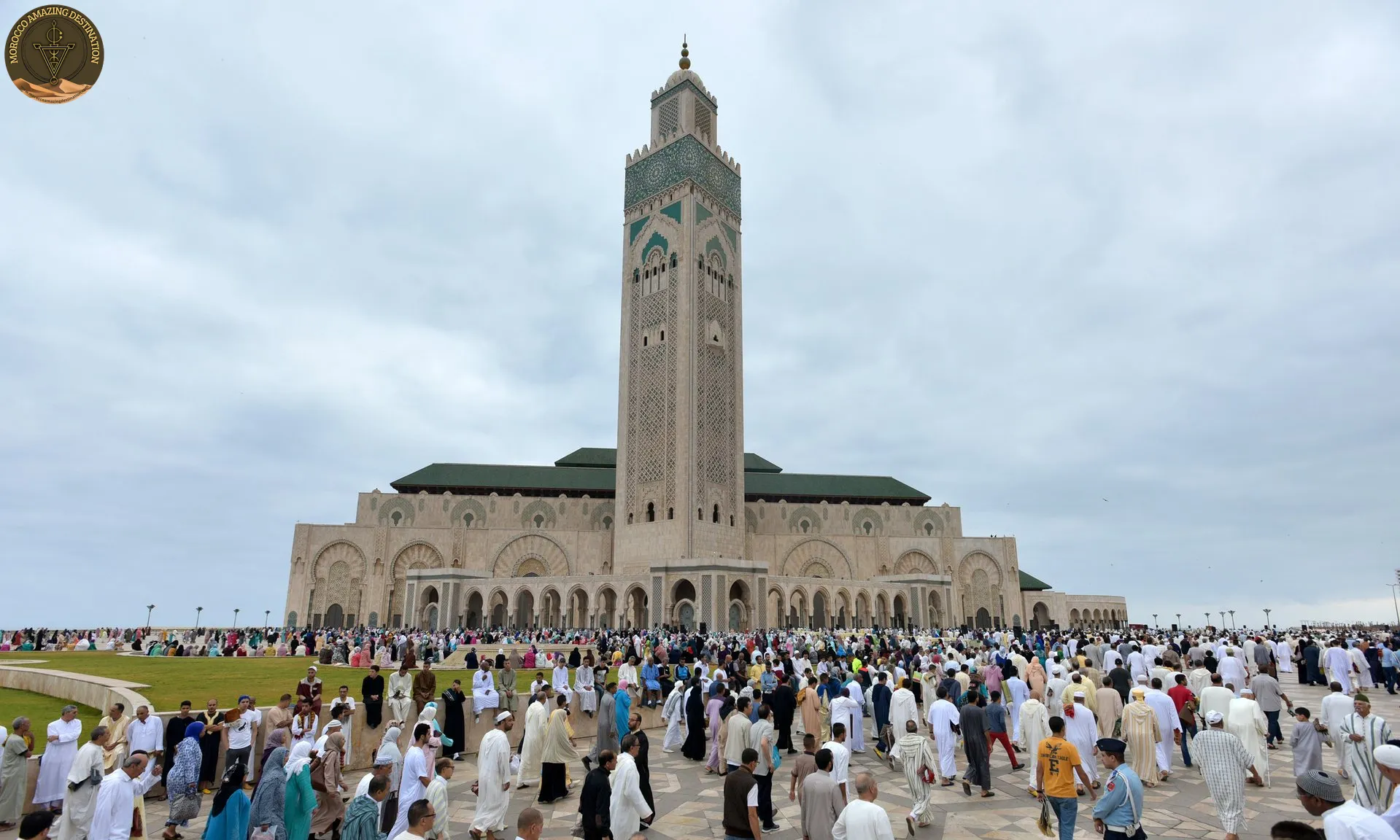
Land in Morocco the week of the sheep festival and the country you read about changes shape for a few days. Families come home, souks pull their shutters down, and main roads fill with cars heading for the village. Eid al-Adha in Morocco still works for visitors who know what moves and what stays put.
In this guide, we will break down what the holiday changes on the ground, how trains and taxis behave, and which bases hold up while the country celebrates.
Why Moroccans Call It Eid el-Kbir
Eid al-Adha falls on the tenth day of Dhu al-Hijjah, the closing month of the Islamic lunar year, and the three Tashreeq days follow. The day starts with the Eid prayer, held outdoors in many towns, and the sacrifice, the udhiyah, comes after. The story behind it is Ibrahim’s willingness to sacrifice his son, and the meat that follows gets shared rather than stored.
Moroccans rarely use the Arabic name in conversation. They say Eid el-Kbir, the big holiday, or la fete du mouton in French. Eid al-Fitr, at the end of Ramadan, is Eid sghir, the small one. Search for Eid el-Kbir Morocco before you book flights and you are looking at the same day under its local name.
One quirk decides your dates. The lunar year runs about eleven days shorter than the Gregorian, so the holiday arrives roughly ten or eleven days earlier each year. Morocco confirms the month by local moon sighting, so its Eid can land a day before or after the date other calendars print.
What Closes in the Medina, and What Stays Open
The closures are real but narrower than most travelers expect. Souks, small shops and workshops close for two or three days, and many offices and administrative services follow. On the first morning, a medina lane that is usually shoulder to shoulder can be almost empty.
- Souks and workshops: shutters down two or three days, quietest on the first morning.
- Offices and banks: reduced hours or a full stop, and paperwork waits until the week after.
- Hotels, riads and camps: open and staffed, since this is peak family season for them.
- Restaurants: Casablanca, Rabat and Marrakech keep more tables trading than a small town will.
Monuments may shorten their hours or close on the first day, and museum timetables vary by operator, so treat any published schedule as a guide. If your dates land in Ramadan instead, our guide to visiting Morocco during Ramadan covers that month’s own rhythm.
Roads, Rail and the Tichka Pass
Traveling in Morocco during Eid al-Adha means planning around the week before. That is when families cross the country to reach home, and the national rail operator answers with extra trains and extra seats. Coaches fill, motorways slow, and the same traffic returns in reverse a few days later.
Taxis are the weak link. Many drivers are home with their families, so the usual kerbside swarm thins out exactly when you want it most. Airport transfers booked ahead still run. A spontaneous six o’clock ride across town may not.
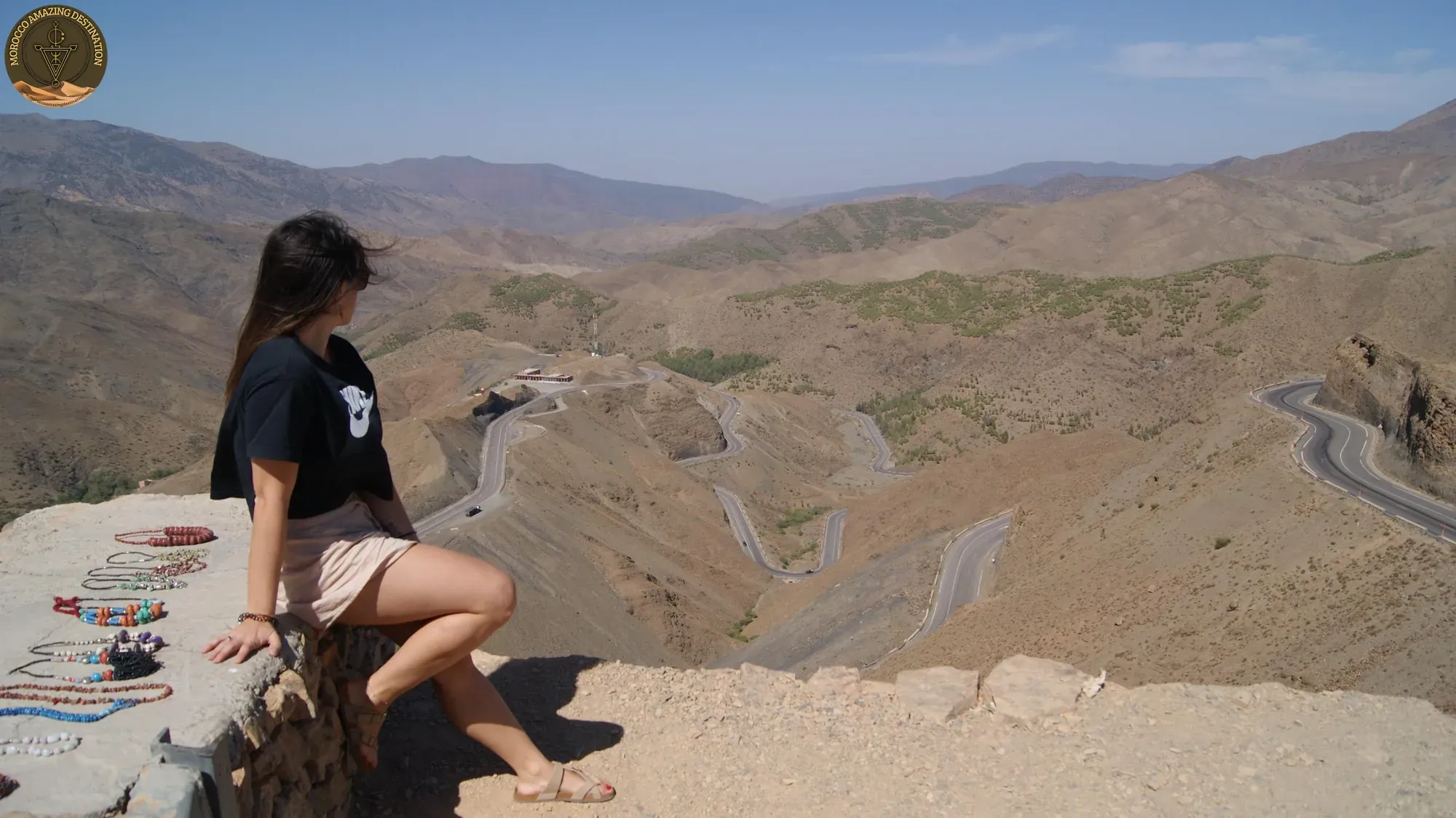
Mountain roads deserve their own warning. The Tizi n’Tichka pass between Marrakech and Ouarzazate carries holiday traffic in both directions. A drive that usually takes three and a half hours can stretch well past that. Build slack into any crossing of the High Atlas. Do not start a long transfer on the first morning of Eid, when the road belongs to families heading home.
Choosing a Base That Holds Up
Most Morocco travel tips for Islamic holidays come down to one rule: stay where the infrastructure is. A riad in a big city keeps its kitchen running and puts a taxi rank a short walk away. Something stays open when the hotel restaurant does not.
- Casablanca, Rabat and Tangier: the safest bet for the first two days, with the widest choice of open restaurants.
- Marrakech and Fes: busier and more tourist-facing, with riads and guides who work through the holiday.
- Small towns and desert edges: thin on services, and Merzouga camps still feed their guests while the village around them may be shut.
- A private driver-guide: removes the taxi problem, with the car and the day’s plan settled before you land.
A driver who knows which road clogs at which hour turns a tense transfer into a slow one with a view. Nobody ends up arguing about a fare at dusk on a holiday.
At a Family Table: Mint Tea and Good Manners
If a family invites you for Eid lunch, say yes. It is the best few hours you will spend in the country, and the etiquette is easier than it looks.
- Arrive with something: pastries, dates, fruit or good tea, handed over at the door.
- Shoes off, right hand: greet the eldest first and eat with your right hand.
- Praise the cooking: by name, because someone has been in the kitchen since dawn.
- Ask before photos: of people and of the house, and never of the sacrifice itself.
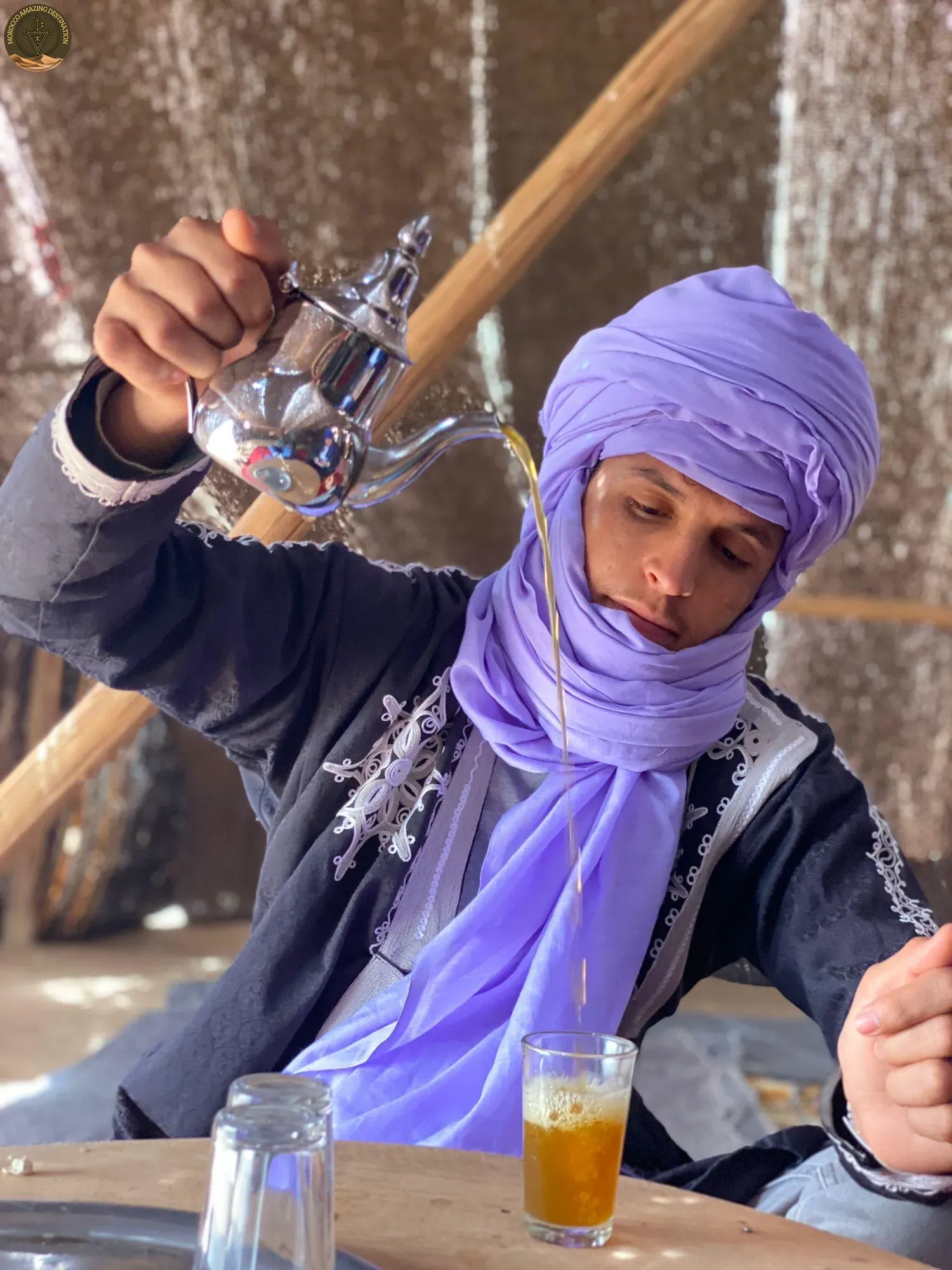
The meal follows the animal: kebda charmoula first, then couscous with lamb, mhammar seared with smen, and mrrozeya, neck of lamb with honey and almonds. A third of the meat goes to relatives, neighbours and families in need.
Both routes below run on the same pattern: a private vehicle, a local driver, and room to move a day when the country slows down. The 12-Day Morocco Grand Tour crosses the imperial cities, the Atlas and the desert. The 8-Day Imperial Cities and Desert Tour from Casablanca covers similar ground in less time.
We can customize a tour to match your needs - design your perfect itinerary
If you found this helpful, add us as your preferred source on Google.
Frequently Asked Questions
Is it a good idea to travel in Morocco during Eid al-Adha?
Yes, as long as you plan around the holiday rather than through it. Hotels, riads and desert camps stay open, and a private driver keeps transfers moving while taxis are scarce. Book seats and transfers early and leave two flexible days in the plan.
What is Eid al-Adha called in Morocco?
Most Moroccans say Eid el-Kbir, the big holiday. You will also hear Id al-Kabir, Feast of the Sacrifice and, in French, la fete du mouton. Eid al-Fitr, at the end of Ramadan, is Eid sghir, the small holiday.
Do trains and buses run during Eid al-Adha in Morocco?
They do, on holiday timetables, and the national rail operator adds trains and seats for the week around the holiday. Demand is highest in the days before and after, so reserve seats as soon as your dates are fixed. Taxis are the harder problem, because many drivers are home with family.
Which cities are easiest to visit during Eid al-Adha?
Casablanca, Rabat, Marrakech, Fes and Tangier cope best, because they have more hotels and more restaurants that keep trading through the holiday. Small towns and remote villages can feel shut for two or three days.
Ready for an Adventure?
Have questions? Feel free to contact us using the form below. We're here to help!