· Travel · 6 min read
Does Morocco Have Travel Restrictions? Entry Requirements & Travel Guide
Wondering if Morocco has travel restrictions? Complete guide to Morocco travel requirements, visa rules, passport validity, and safety tips for a smooth trip.
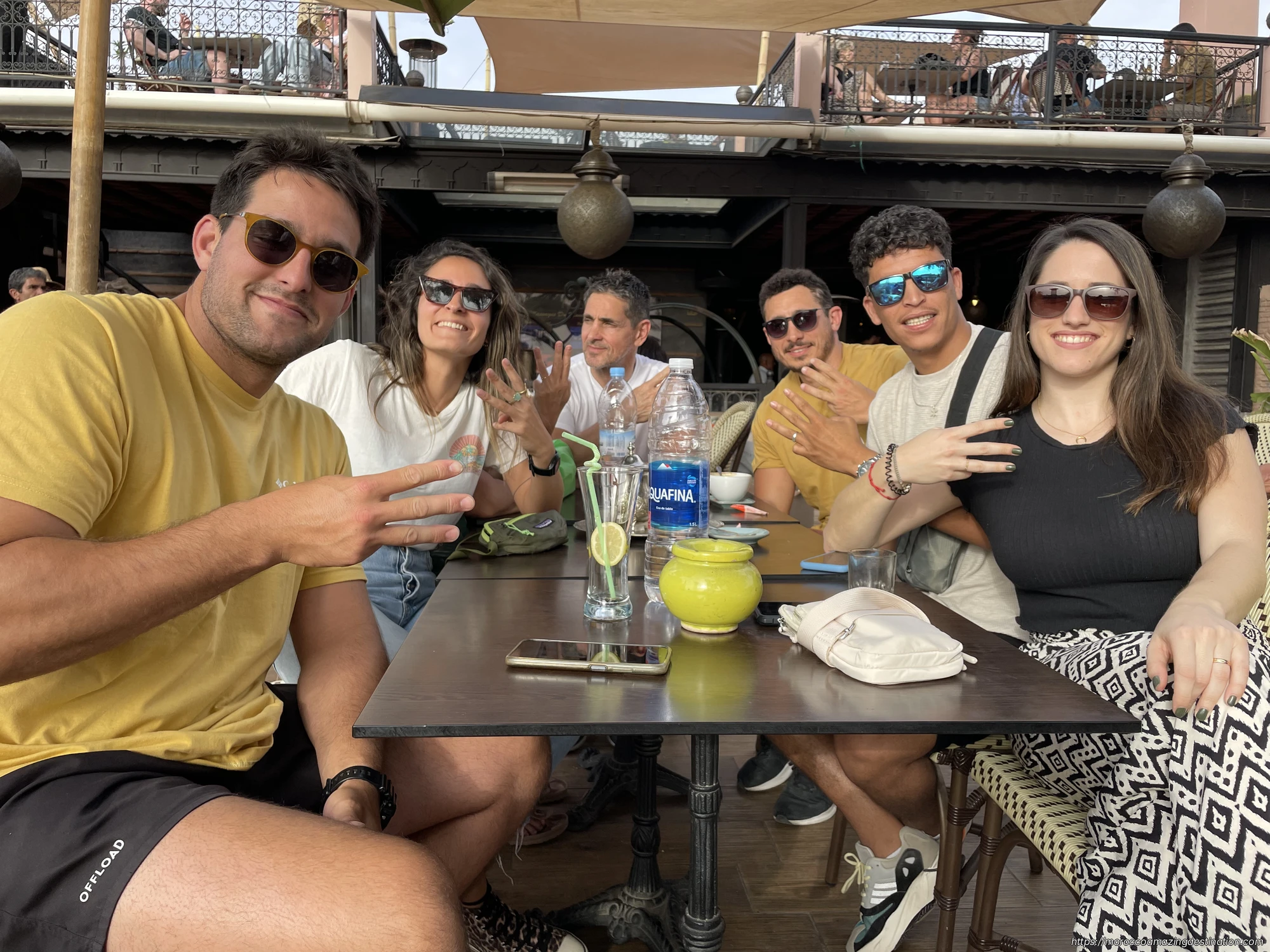
So, does Morocco have travel restrictions? If you have been dreaming of exploring the bustling souks of Marrakech, riding a camel across the Sahara dunes, or getting lost in the blue alleyways of Chefchaouen, you will be happy to know that Morocco is fully open and welcoming travelers from around the world.
The short answer is clear: Morocco does not have travel restrictions. The country has lifted all COVID-era entry requirements and now operates under standard immigration rules. Whether you are planning a weekend getaway or a two-week adventure, understanding the current Morocco entry requirements is essential for a smooth journey. This guide covers everything you need to know about Morocco visa requirements, passport rules, safety, and more.
Morocco Entry Requirements: An Overview
Morocco has some of the most accessible entry policies in North Africa. Most Western travelers can enter without a visa, and the process at immigration is straightforward. The key documents needed to travel to Morocco are simple, but missing one could mean being turned away.
Passport Validity Requirements
Your passport must be valid for at least six months beyond your date of entry. This rule is strictly enforced by airlines and immigration officers. If your passport expires within six months of your arrival, renew it before booking your flight.
Additional passport requirements:
- At least one blank page for entry and exit stamps
- The passport must be in good condition (no significant damage)
- Emergency or temporary passports may not be accepted
Visa-Free Entry for Most Travelers
One of the most common questions travelers ask is about Morocco visa requirements. The good news is that citizens from over 70 countries can enter Morocco visa-free for tourism stays of up to 90 days.
Visa-exempt countries include:
- United States — No visa needed for up to 90 days
- United Kingdom — No visa needed for up to 90 days
- Canada — No visa needed for up to 90 days
- European Union — All EU member states enjoy visa-free access
- Australia & New Zealand — No visa needed for up to 90 days
- Japan, South Korea, Singapore — Visa-free entry
If your country is on this list, you simply need a valid passport. No visa application, no fees, no paperwork in advance.
Who Needs a Visa?
Citizens from countries not on the visa-exempt list must apply for a visa before traveling. Morocco offers two options:
Morocco E-Visa: An online application system available for eligible nationalities such as India, China, Thailand, and others. The e-visa allows single entry, a maximum stay of 30 days, and is valid for 180 days from approval. Processing typically takes 24 to 72 hours.
Standard Tourist Visa: For those not eligible for the e-visa, contact the nearest Moroccan embassy or consulate. Processing times vary, so apply at least four weeks before your trip.
Are There Any Health-Related Travel Restrictions?
Many travelers still wonder: are there any travel restrictions in Morocco related to health? Currently, Morocco has no COVID-related entry requirements. There is no need to show vaccination certificates, negative test results, or quarantine upon arrival.
Vaccination requirements:
- Routine vaccines (MMR, diphtheria-tetanus-pertussis, varicella, polio) are recommended
- Yellow fever vaccination is required only if arriving from an infected area
- Polio vaccination certificate is required if coming from a polio-affected country
Travel insurance is not mandatory but is highly recommended. Medical facilities in rural areas can be limited, and a good policy covers emergency evacuation, hospitalization, and trip cancellation.
Safety and Travel Advice for Morocco
Beyond entry rules, many travelers ask about safety when they search for Morocco travel requirements and restrictions. Morocco is considered a safe destination for tourists. The government maintains a visible security presence in all major cities and popular tourist areas.
General Safety Tips
- Stay alert in crowded places like medinas and souks
- Avoid poorly lit areas at night
- Keep valuables secure and out of sight
- Use licensed taxis or pre-arranged transport
- Respect local customs and dress modestly, especially outside tourist zones
Regional Considerations
While Morocco is safe overall, certain areas require caution:
- Western Sahara border zones — Avoid travel within 30 km of the military berm
- Algeria border — Travel is not recommended due to military activity
- Major cities — Marrakech, Fes, Rabat, and Casablanca are safe with standard precautions
Entry Requirements for Specific Nationalities
US Citizens Traveling to Morocco
Americans do not need a visa for stays under 90 days. A valid passport with six months validity is required. Travel to Morocco from USA is straightforward, and direct flights are available from several US cities to Casablanca and Marrakech.
UK Citizens Traveling to Morocco
British citizens enjoy visa-free access for up to 90 days. Ensure your passport has at least three months validity beyond your arrival date. The UK Foreign Office provides routine travel advice for Morocco.
EU Citizens Traveling to Morocco
All EU citizens can enter without a visa. Your national ID card is not accepted — a valid passport is required. Stays up to 90 days are visa-free, and extensions can be requested at local police stations.
Canadian and Australian Travelers
Canadians and Australians also benefit from visa-free travel for up to 90 days. The same passport validity rules apply.
Customs and Currency Rules
Understanding customs rules is part of knowing does Morocco have travel restrictions that might surprise you.
- Currency: The Moroccan dirham (MAD) is a closed currency. You can import up to 2,000 MAD. Foreign currency over 100,000 MAD (approximately $10,000 USD) must be declared.
- Export restrictions: Exporting Moroccan dirham is prohibited. Exchange leftover dirham before leaving, keeping your exchange receipts.
- Prohibited items: Drugs, weapons, and certain political materials are strictly prohibited.
What Happens If You Overstay?
Overstaying the 90-day visa-free period can result in fines and potential difficulties with future travel. If you wish to stay longer, visit a local police station before your permit expires to request an extension. Overstays are handled case by case, but it is always better to sort it out in advance.
Do You Need a Return Ticket?
Yes, immigration officers may ask for proof of onward travel. A return flight ticket or an onward ticket to another destination is typically required. Having a printed copy or a digital version on your phone is sufficient.
Final Verdict: Does Morocco Have Travel Restrictions?
So, does Morocco have travel restrictions? The answer is no — Morocco is open, accessible, and eager to welcome visitors. There are no COVID-related restrictions, no mandatory quarantine, and no blanket travel bans. As long as you have a valid passport, meet the visa requirements for your nationality, and follow standard travel safety practices, you can explore everything this incredible country has to offer.
From the vibrant streets of Marrakech and the ancient medina of Fes to the golden dunes of Merzouga and the blue-washed walls of Chefchaouen, Morocco is ready for your visit.
Ready to Explore Morocco?
Now that you know there are no travel restrictions holding you back, why not start planning your adventure? A guided tour takes the stress out of logistics and ensures you experience the best of Morocco with local expertise.
Our 3-Day Trip from Marrakech to Merzouga is perfect for those short on time but eager to experience the Sahara. Ride camels, watch the sunset over the dunes, and sleep under a blanket of stars. 3-Day Trip from Marrakech to Merzouga
For a more comprehensive journey, the 4-Day Trip from Marrakech to Fes takes you through the High Atlas Mountains, the UNESCO-listed Ait Ben Haddou kasbah, the Dades Valley, and the Merzouga desert, ending in the cultural heart of Morocco. 4-Day Trip from Marrakech to Fes
If you found this helpful, add us as your preferred source on Google.
Frequently Asked Questions
Does Morocco have travel restrictions?
No, Morocco does not currently have travel restrictions. The country is fully open to international tourists with no COVID-related entry requirements. Travelers need a valid passport (6 months validity) and, depending on nationality, may require a visa.
Do I need a visa to enter Morocco?
Citizens of over 70 countries, including the USA, UK, Canada, EU nations, Australia, and Japan, do not need a visa for tourism stays up to 90 days. Other nationalities may apply for an e-visa or a standard visa through a Moroccan consulate.
What documents do I need to travel to Morocco?
You need a passport valid for at least 6 months beyond your entry date, a return or onward ticket, proof of accommodation, and sufficient funds for your stay. Travel insurance is strongly recommended but not mandatory.
Is Morocco safe for tourists?
Yes, Morocco is generally safe for tourists. The government maintains a strong security presence in major cities and tourist areas. Standard travel precautions apply, especially in crowded medinas and at night.
- morocco-travel-restrictions
- morocco-entry-requirements
- morocco-visa
- morocco-travel-requirements
- traveling-to-morocco
Ready for an Adventure?
Have questions? Feel free to contact us using the form below. We're here to help!