· Travel · 5 min read
Does Morocco Border the Mediterranean Sea? Yes — Guide
Does Morocco border the Mediterranean Sea? Yes — learn where the 500 km Med coast runs, top cities, and how to visit both seas seamlessly.
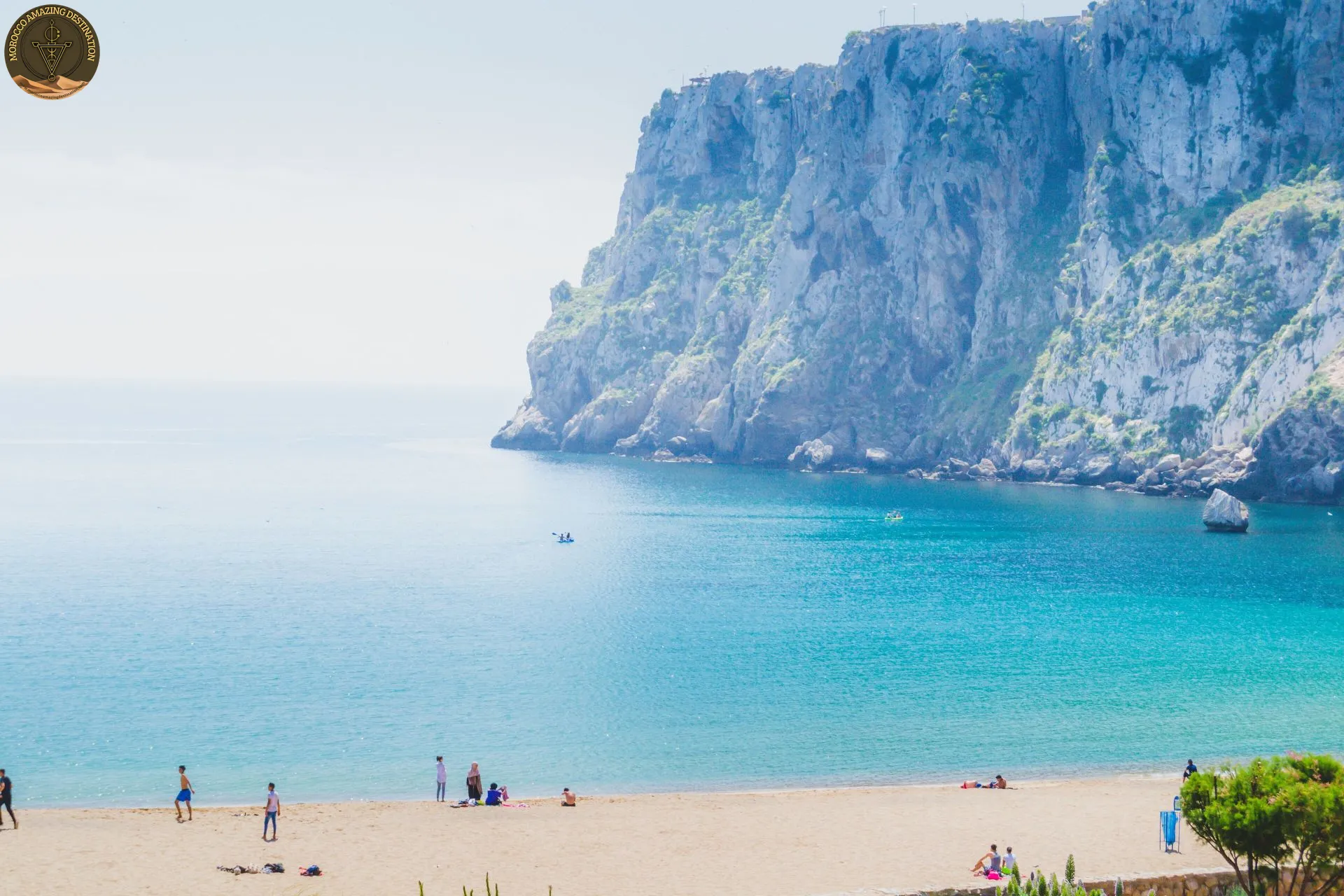
Yes — does Morocco border the Mediterranean Sea is a quick yes. Morocco sits at the northwest corner of Africa with the Mediterranean to the north and the Atlantic to the west. The narrow Strait of Gibraltar separates them.
In this guide, we break down where the Morocco Mediterranean coastline runs, which Morocco Mediterranean coast cities to know, how the Med compares to the Atlantic, and how to visit both seas in one trip.
Yes — Morocco Borders the Mediterranean Sea
Morocco fronts the Mediterranean for almost 500 km, from the Strait of Gibraltar and Tangier in the west to Saidia at the Algerian border in the east. To the west it faces the Atlantic for about 3000 km including Western Sahara. Moroccan sources quote about 3500 km total, while international databases list 1835 km with another method. The Med portion stays almost 500 km.
The meeting point is the Strait of Gibraltar. It is about 58 km long and narrows to 13 to 14 km. About 300 ships pass daily, and ferries link Tangier with Tarifa and Algeciras in 35 minutes. It makes the north easy to pair with Spain and ideal to start a trip by the sea.
For travelers the idea is simple. You can swim the Med in the morning and watch Atlantic surf in the afternoon from Tangier. The north feels greener than the desert south, with Rif views and Andalusian influence.
Where Two Seas Meet — The Strait of Gibraltar
The Strait frames Morocco’s Mediterranean identity. Tangier sits where the seas touch, spread over hills with views of both. Cap Spartel, west of the city, is seen as the meeting point, with the Caves of Hercules nearby.
Its position explains Tangier’s role as a gateway between Africa and Europe. Today it remains the main ferry hub. The old medina, kasbah, and Grand Socco hold layers of that crossing, while the port links quickly to Spain.
What to expect at the Strait:
- Short crossings: Ferries to Tarifa and Algeciras run often for foot passengers and cars.
- Easy logistics: Many private tours start or end in Tangier to match ferries and flights.
Head to Cap Spartel lighthouse for the classic photo. It pairs well with the Hercules Caves and a walk through the kasbah.
Tangier to Saidia — Cities of the Morocco Mediterranean Coast
The Morocco Mediterranean coast cities run east from the Strait, backed by the Rif Mountains. Each has a different mood, so you can mix city, beach, and nature without long drives.
Tangier is the anchor. Its medina, corniche, and café culture make it a great base. Tetouan — the White Dove — lies inland from Tamuda Bay and keeps a strong Spanish-Andalusian feel. Its medina is a UNESCO World Heritage site with white walls and artisan workshops.
Tamuda Bay links M’diq, Martil and Fnideq — a calm, family-friendly stretch with clear water and promenades. Further east, Al Hoceima offers wilder coves like Cala Bonita and Quemado, framed by Al Hoceima National Park. Nador sits on a lagoon and feels local and low-key. Saidia, the Blue Pearl, has a 14 km sandy beach and marina near Algeria.
Highlights to help you choose:
- For culture: Tetouan medina and Tangier kasbah for tiles and rooftop views.
- For calm swims: Tamuda Bay and Saidia for sheltered water and long beaches.
- For coves and nature: Al Hoceima for small bays, cliffs, and park trails.
Roads along the coast are good and a private driver keeps the day smooth. Base in Tangier or Tetouan for day trips, or move east and sleep near the beach you like.
Mediterranean vs Atlantic — How the Two Coasts Compare
Morocco borders both seas, and they feel very different. The Morocco Mediterranean coastline is sheltered and warmer, often 24 to 28 degrees in summer with small waves. Beaches are compact coves or gentle bays, ideal for families. Towns feel Mediterranean and Andalusian, with white-and-blue medinas and fresh catch.
The Atlantic is open and surf-driven. Wind and wide beaches suit surfers and walkers, from Asilah and Essaouira to Taghazout and Dakhla. Sunsets are often bigger, but water is cooler and currents stronger. Many travelers pair one calm Med swim with one Atlantic sunset in the same week.
Quick chooser:
- Mediterranean for: calm water, warm sea, sheltered coves, easy family swims, and proximity to Tangier and the Rif.
- Atlantic for: surf, long walks, wind sports, and dramatic ocean light.
- Both for: the most complete north. Start in Tangier and swing to the Atlantic via Asilah without backtracking.
Plan Your Trip — Two Coasts, One Itinerary
The best way to enjoy the Med is to keep it private and flexible. With a local driver you can link Tangier, Tetouan, Al Hoceima and Saidia at your pace, then drop to the Atlantic for a last night by the ocean. Short drives and hand-picked riads keep the north relaxed.
Add Chefchaouen and the imperial cities when you want more than beaches. The blue city sits in the Rif above the Med and pairs naturally with Fes, while Tangier keeps you close to the water.
For a concise sea-to-mountain loop starting where the seas meet, consider our 5-Day Tour to Chefchaouen & Imperial Cities from Tangier. It begins in Tangier with Cap Spartel and the Caves of Hercules, winds through Tetouan and the Rif to Chefchaouen, and continues to Fes, Meknes and Rabat.
Want a broader north with the Med touch? Pair the stays above with an Atlantic finish via Asilah and tailor the pace around swimming and medina walks.
We can customize a tour to match your needs — design your perfect itinerary
If you found this helpful, add us as your preferred source on Google.
Frequently Asked Questions
Does Morocco border the Mediterranean Sea?
Yes. Morocco has almost 500 km of Mediterranean coastline along its northern edge, from the Strait of Gibraltar and Tangier in the west to Saidia at the Algerian border in the east, plus a much longer Atlantic coast to the west.
How long is Morocco's Mediterranean coastline?
Moroccan sources put it at nearly 500 km. International databases often list a shorter total coastline that uses a different method, so you will see 1835 km totals elsewhere. The Med stretch itself is consistently described as around 500 km.
What cities are on Morocco's Mediterranean coast?
Key cities and areas are Tangier, Tetouan, the Tamuda Bay resorts of M'diq, Martil and Fnideq, Al Hoceima and its coves, Nador, and Saidia near the Algerian border.
Does Morocco border both the Atlantic and the Mediterranean?
Yes. Morocco borders the Mediterranean to the north and the Atlantic to the west. The two meet at the Strait of Gibraltar by Tangier and Cap Spartel, with ferries linking Tangier to Spain in as little as 35 minutes.
Ready for an Adventure?
Have questions? Feel free to contact us using the form below. We're here to help!