· Travel · 5 min read
Do US Citizens Need a Visa for Morocco? 90-Day Guide
Do US citizens need a visa for Morocco? No — up to 90 days visa-free. Learn entry rules, passport validity and how to extend.
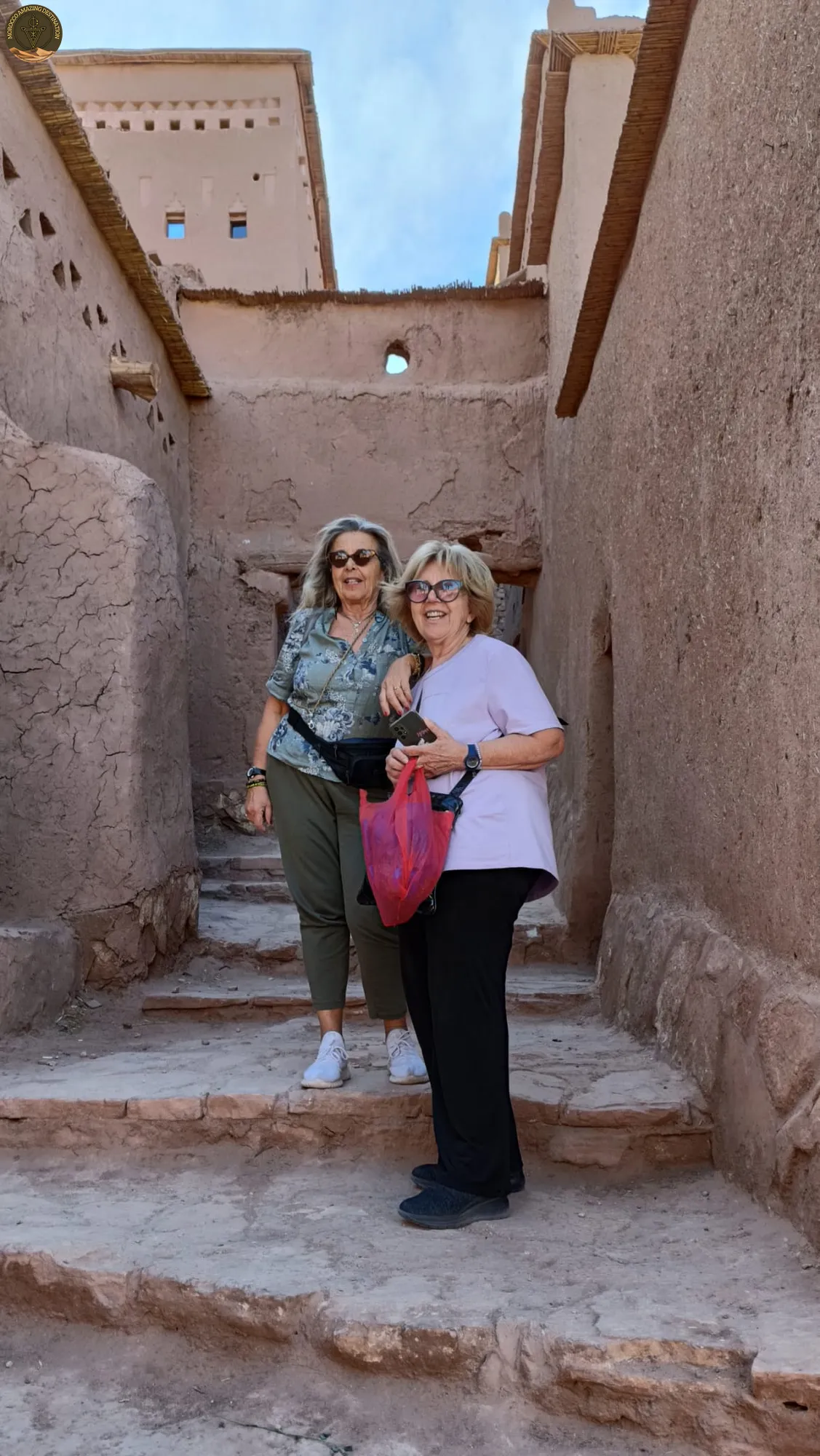
Planning a trip from the United States to the souks of Marrakech or the dunes of Merzouga? If you are asking do US citizens need a visa for Morocco, the answer is reassuringly simple: no, not for short stays. US passport holders enjoy visa-free entry for tourism and business up to 90 days, with no eVisa or visa on arrival needed.
In this guide, we will break down how long you can stay, the exact passport and border documents to carry, and when an extension or visa is required.
No Visa Needed: The 90-Day Rule for US Citizens
For most American travelers, Morocco is visa-free. US citizens entering for tourism or business do not need to apply for any visa before departure. You present your US passport at immigration, answer a few brief questions, and receive an entry stamp.
This exemption has been in place for decades and covers stays up to 90 days. It applies to adults and children with their own US passport. The stamp you receive is your permission to stay, so keep it visible and photograph it on arrival.
The rule also means the Morocco eVisa system does not apply to you. The eVisa, launched for visa-required nationalities, offers a single entry of up to 30 days. As a US citizen, you skip that process entirely and enter visa-free.
How Long Can US Citizens Stay in Morocco Without a Visa?
How long can US citizens stay in Morocco without visa entry is up to 90 days. The period is typically counted as 90 consecutive days from your entry date, and Moroccan authorities view it within a rolling 180-day window.
That window matters. Spending 80 days in Morocco, leaving for a weekend in Spain, and returning does not guarantee a fresh 90 days. Re-entry is at the discretion of the border officer.
Key points on duration:
- 90 days max per entry: Perfect for itineraries from 4 days to 2 weeks, with plenty of margin.
- 180-day rolling view: Days spent in Morocco in the last 180 days count toward the limit.
- No automatic reset: A brief exit does not restart the allowance.
- Count includes entry and exit days: Track your dates carefully.
If you plan to stay longer than 90 days, you must arrange an extension or a proper long-stay visa before your allowance ends.
Morocco Visa Requirements for US Citizens: Passport and Validity
Morocco visa requirements for US citizens focus on your passport, not a visa form. Airlines often check these rules before boarding, so meeting them avoids denied boarding.
Your passport should be in good condition, with no damage to the data page. Officials will place an entry stamp on a blank page, so one empty page is expected.
The validity question needs care. Some Moroccan sources cite 3 months beyond stay as the minimum. The US State Department, cited by name without link, recommends 6 months validity beyond your planned departure from Morocco. Many airlines follow the 6-month standard. To be safe, travel with 6 months.
What to prepare:
- US passport with 6 months validity: Count from your planned exit date from Morocco.
- One blank page: For the entry and exit stamps.
- Clean, machine-readable passport: No tears or heavy wear.
- Photocopy or photo on phone: Keep a backup of data page and entry stamp.
If your passport expires within 6 months, renew before you fly.
Morocco Entry Requirements for US Citizens at the Border
Even without a visa, morocco entry requirements us citizens still apply at passport control. The check is quick when your documents are ready, but officers may ask for proof that you will leave on time and support yourself.
Arrive with printed or mobile copies within easy reach. Officers may take biometrics and ask your purpose of visit, where you are staying, and how long you plan to remain.
What officers may request:
- Return or onward ticket: Dated within 90 days of entry, showing you will depart.
- Proof of accommodation: Hotel or riad confirmation, tour voucher, or host invitation with address.
- Proof of funds: Roughly the equivalent of €70–100 per day, via bank statement, card, or cash.
- Travel insurance: Not legally required, but strongly recommended for entry and peace of mind.
At the desk, you will receive an entry stamp with your allowed stay. Photograph it right away. Note the date written by the officer. If you must declare currency, the threshold is above 100,000 MAD (about 10,000 USD) in cash. Keep the stamp safe until you exit.
Extensions, Overstays, and Planning Your Trip
Need more than 90 days? You have options, but timing is key. For stays beyond the visa-free period, or for work, study, or residency, you must obtain a consular visa before travel. For tourism extensions inside Morocco, visit the Bureau des Étrangers at the local police prefecture before your 90 days expire.
Extensions are discretionary and vary by city and officer. Apply at least 15 days before expiry with your passport, copy of entry stamp, passport photos, written justification, proof of funds, and accommodation proof. Approvals are often granted in 30-day increments, with some travelers citing up to 180 days total. Overstaying without approval can mean a fine paid before a judge and a future entry ban.
Morocco has no visa on arrival program. The eVisa categories (Regular, Conditional, and related options) are for nationals who do require a visa, including some US permanent residents holding passports of visa-required countries. As a US passport holder, you do not use this system.
Ready to use your 90 days wisely? A private, tailor-made itinerary makes border formalities and logistics hassle-free, with a private driver and local guide handling transfers, timing, and hand-picked stays from the imperial cities to the Sahara.
For a broad first visit, explore our 14-Day Morocco Tour from Casablanca, ideal for US travelers arriving via Casablanca with a balanced loop through Chefchaouen, Fes, the desert, and Marrakech. For a shorter highlights loop, consider the 8-Day Imperial Cities and Desert Tour from Casablanca, which links the north and the Erg Chebbi dunes without rushing.
We can customize a tour to match your needs — design your perfect itinerary
If you found this helpful, add us as your preferred source on Google.
Frequently Asked Questions
Do US citizens need a visa for Morocco?
No. US citizens can enter Morocco without a visa for tourism or business stays up to 90 days. You only need a valid US passport and must meet standard entry requirements at the border.
How long can US citizens stay in Morocco without a visa?
Up to 90 days within a rolling 180-day window. The 90 days are usually counted as consecutive days from entry. A short exit to Spain does not automatically reset the clock.
What passport validity do US citizens need for Morocco?
Moroccan sources mention 3 months validity, but the US State Department advises 6 months beyond your stay plus one blank page. Airlines often enforce the stricter rule, so travel with 6 months to avoid denial.
Can US citizens extend their stay beyond 90 days?
Yes, you can request an extension at the local Bureau des Étrangers before your 90 days expire. Approval is discretionary and usually granted in 30-day increments. Overstaying without approval risks fines and a future entry ban.
- morocco-visa
- morocco-entry-requirements
- morocco-visa-for-americans
- traveling-to-morocco-from-usa
- passport-requirements
Ready for an Adventure?
Have questions? Feel free to contact us using the form below. We're here to help!