· Travel · 6 min read
Do UK Citizens Need a Visa for Morocco? 90-Day Guide
Do UK citizens need a visa for Morocco? No—British citizens enter visa-free for 90 days. See passport rules, stay limits and entry tips.
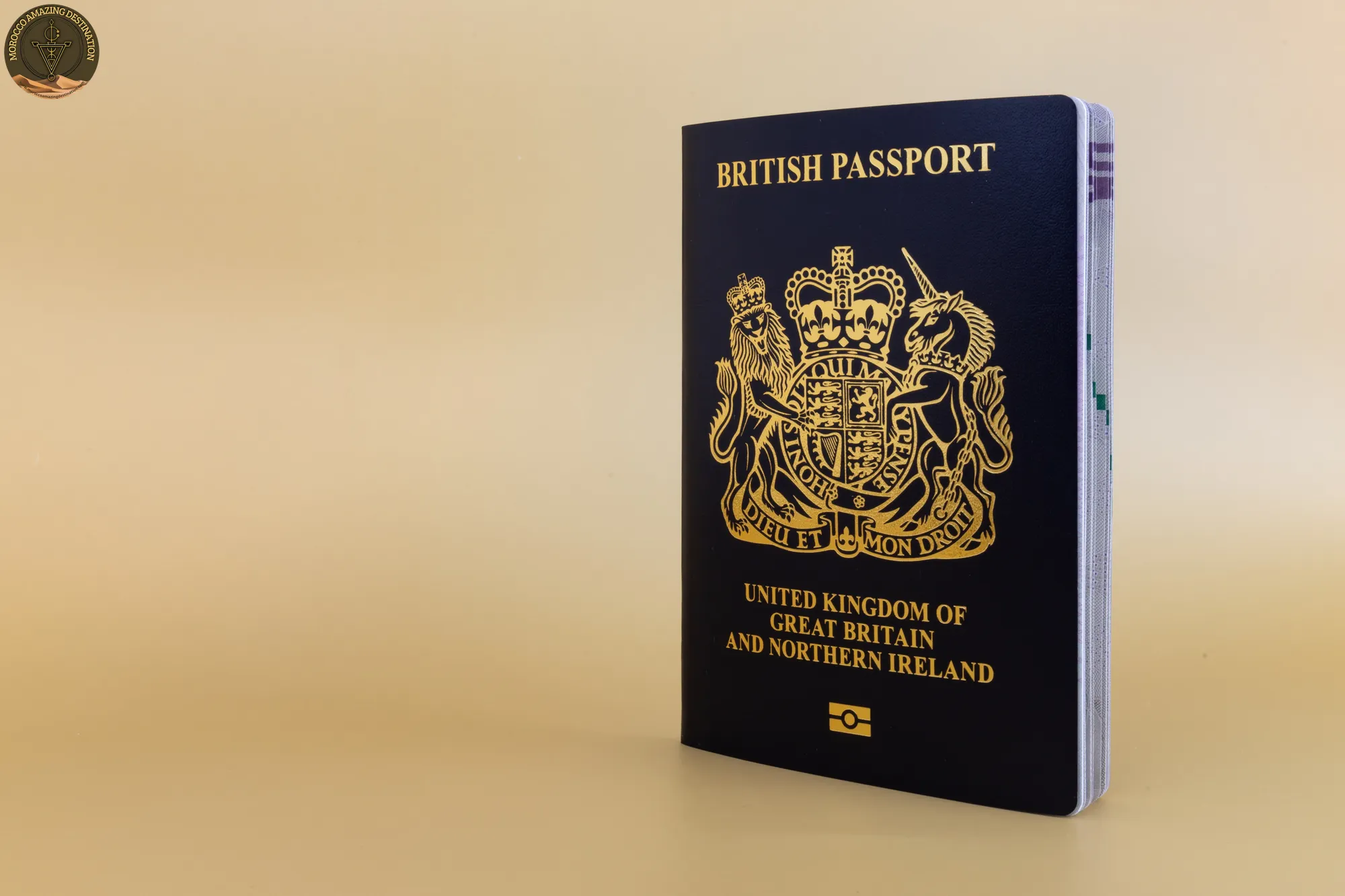
Planning a trip to Marrakech, the Sahara dunes and the Atlantic coast? If you are wondering do UK citizens need a visa for Morocco, the short answer is no — British citizens with a full British citizen passport can enter Morocco visa-free for up to 90 days for tourism or short business, with no fee and no prior application, receiving an entry stamp on arrival.
In this guide, we will break down the 90-day visa-free rule, how long you can stay, morocco visa requirements uk travellers should know, and uk passport morocco entry rules plus extensions and documents to prepare.
No Visa Needed: The 90-Day Visa-Free Rule for UK Citizens
British citizens do not need a visa before travelling to Morocco for short stays. You simply present your UK passport at immigration — at airports, seaports and the land borders at Bab Sebta and Beni Ansar — and the officer stamps your passport as permission to stay.
There is no visa on arrival desk to queue for and no payment. The exemption covers tourism, family visits and short business meetings. You do not need to apply through any portal beforehand.
This visa-free access applies specifically to British citizen passports. Other British nationality categories, such as British Overseas Territories Citizen, British Overseas Citizen or British National Overseas, and UK travel documents, do require a visa from the Moroccan consulate. If your passport does not state British citizen, check with the Moroccan Consulate General before booking.
Who qualifies and what to expect:
- British citizen passport only: visa-free for 90 days, tourism and short business.
- Other British passports: visa required in advance.
- Entry method: stamp on arrival, no eVisa, no fee.
How Long Can UK Citizens Stay in Morocco?
So how long can UK citizens stay in Morocco without a visa? The allowance is 90 consecutive days from entry, counting both your arrival and departure days. Your entry stamp is the legal record of when the clock starts, so photograph it and keep the date visible.
The 90 days is a single continuous stay. There is no formal annual cap, but repeatedly leaving and re-entering to reset the clock can draw scrutiny and you may be refused entry if officers suspect residence without a permit. For work, paid activity or formal study, you always need the correct visa regardless of length.
If you want to stay longer than 90 days for non-work reasons, the tourist stamp itself is not automatically extendable for many travellers. The proper route is usually a long-stay visa from the Moroccan consulate in the UK or a residence permit applied for in Morocco before your 90 days expire.
How the 90 days works in practice:
- 90 consecutive days: counted inclusively from entry stamp date.
- All ports covered: airports, seaports and land borders use the same rule.
- Beyond 90 days: apply for residence permission before expiry, or leave and seek a long-stay visa.
Passport Validity and UK Passport Morocco Entry Rules
The most common reason for denied boarding is not the visa but the passport. Understanding uk passport morocco entry rules helps you avoid last-minute stress.
Official UK Government advice states your passport should be valid for at least 3 months after your date of arrival and have at least one blank page for stamps. Moroccan consular guidance similarly says validity should cover your stay. In practice, however, airlines and many Moroccan border officers enforce a stricter 6 months beyond your planned departure date. Sources from the Moroccan National Tourist Office and the US Department of State reflect this stricter commercial standard.
To stay safe, travel with 6 months of validity beyond your planned stay, a machine-readable undamaged passport and one blank page. Damaged or non-machine-readable passports are routinely refused. This uncertainty between 3 months official and 6 months enforced is well documented, so the 6-month buffer is the hassle-free choice.
Passport checklist before you fly:
- Validity: 6 months beyond planned departure recommended, 3 months after arrival minimum.
- Condition: undamaged, machine-readable, no loose pages.
- Space: at least one blank page for entry and exit stamps.
Do You Need an eVisa, Return Ticket or Other Documents?
Many travellers ask about Morocco’s eVisa. British citizens do not need one. The Accès Maroc online portal launched for visa-required nationalities does not apply to UK British citizens. You can ignore third-party websites selling a Morocco eVisa to UK travellers — you will not be asked for it, and paying adds no benefit.
Border checks beyond the passport are variable and lightweight. Officers may ask for a return or onward ticket within the 90-day window, proof of where you are staying and evidence of funds to cover your trip. Airlines often check the return ticket before boarding. Travel insurance is not mandatory but is strongly recommended, and your UK GHIC is not valid in Morocco.
Always verify your entry stamp before leaving the desk. If it is missing or unclear, you may face problems on exit. Keep printed or saved copies of your bookings and funds proof for a smooth crossing.
What officers may request:
- Return or onward ticket: within 90 days, shown at airline check-in or border.
- Accommodation proof: hotel or riad booking or invitation letter.
- Funds proof: bank statement or cash equivalent and stamp verification.
Extending Your Stay and Planning Your Trip
If you fall in love with the real Morocco and want more time, you may request an extension before your 90 days expire at the local police prefecture or Bureau des Étrangers in major cities such as Casablanca, Marrakech or Fes. The decision is discretionary, often for 30-day increments, and varies by city and officer. Apply at least 15 days before expiry with your passport, entry stamp copy, photos, accommodation proof and a brief written justification.
Overstaying without approval can lead to fines at departure and, in some cases, a future entry ban. If you plan a long stay from the start, consider applying for the appropriate long-stay visa via the Moroccan consulate before travel instead of relying on an in-country extension.
With a full 90-day window, most UK visitors have ample time for a private, tailor-made journey without any extension. Travel hassle-free with a private driver and local guide who handle logistics while you enjoy authentic encounters and hand-picked stays.
For a classic short escape that fits easily within the visa-free limit, consider our 4-Day Morocco Desert Tour from Marrakech, which crosses the High Atlas, visits the UNESCO World Heritage site of Ait Benhaddou and reaches the Merzouga dunes for a camel trek and luxury camp night.
If you have more time and want imperial cities plus the Sahara, our 14-Day Morocco Tour from Casablanca balances Casablanca, Chefchaouen, Fes, the desert and Marrakech with seamless private transport.
We can customize a tour to match your needs — design your perfect itinerary
If you found this helpful, add us as your preferred source on Google.
Frequently Asked Questions
Do UK citizens need a visa for Morocco?
No. British citizens with a full UK passport can enter Morocco visa-free for tourism or short business up to 90 days. You receive an entry stamp on arrival with no fee, no eVisa and no prior application.
How long can UK citizens stay in Morocco without a visa?
Up to 90 consecutive days from the date of entry. The period includes arrival and departure days. For longer stays you must request an extension at a local police station before expiry or apply for a residence permit.
What passport validity do UK citizens need for Morocco?
Official UK advice states at least 3 months validity after arrival plus one blank page. However airlines and border officers often enforce 6 months beyond your stay. Travel with 6 months remaining and an undamaged machine-readable passport to avoid denied boarding.
Do UK citizens need an eVisa or return ticket for Morocco?
No eVisa is needed — Morocco's Accès Maroc eVisa is for visa-required nationalities only. A return or onward ticket, accommodation proof and funds are not always requested but may be checked, so carry them.
- morocco-visa
- morocco-entry-requirements
- passport-requirements
- uk-citizens-morocco
- morocco-visa-free-stay
Ready for an Adventure?
Have questions? Feel free to contact us using the form below. We're here to help!