· Travel · 5 min read
Do I Need a Visa to Travel to Morocco? Complete Visa Guide
Wondering do I need a visa to travel to Morocco? Complete guide covering visa-free countries, e-visa, passport requirements, and entry rules for US, UK, EU, Canadian, Australian, and more.
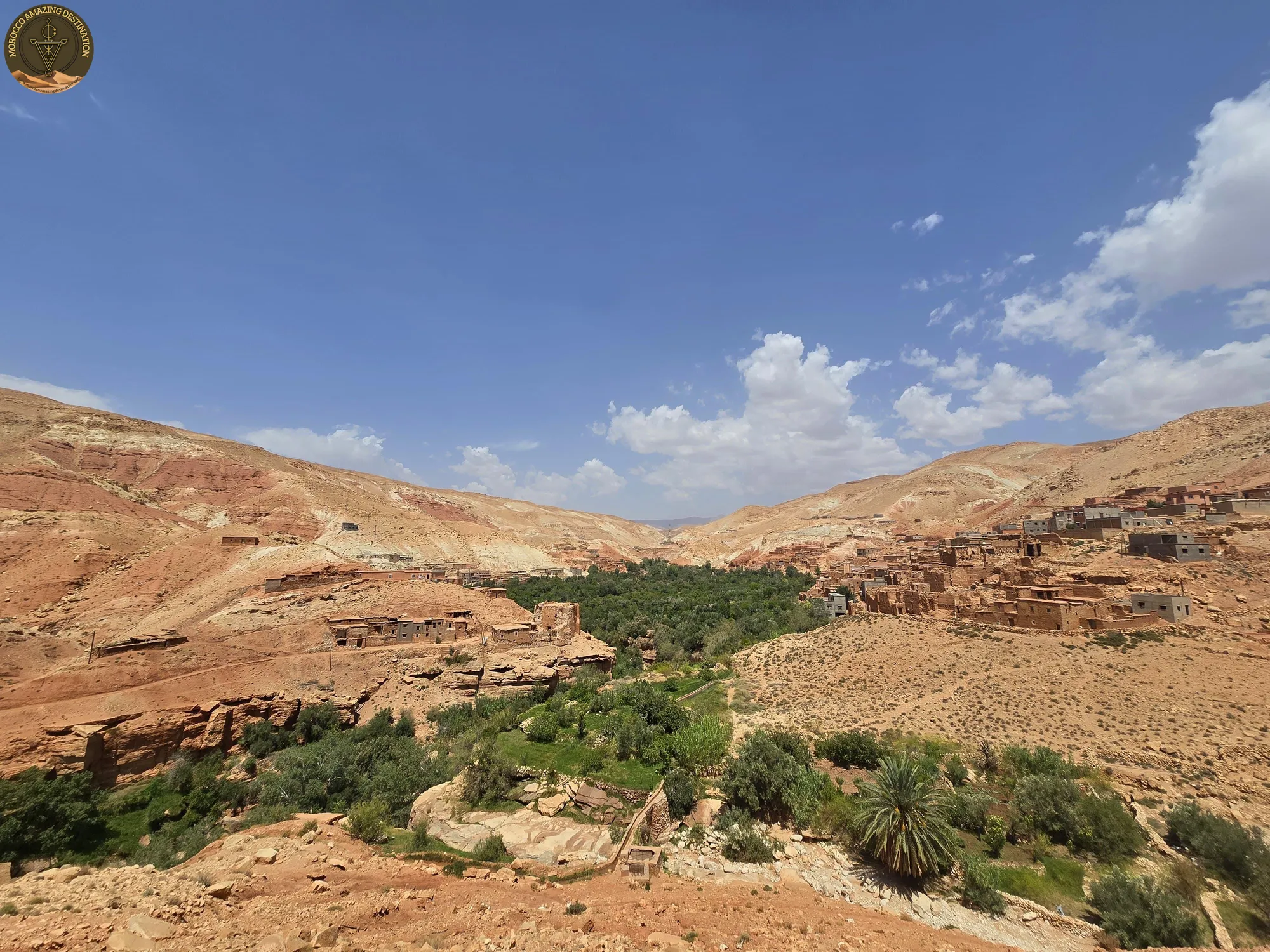
Planning a trip to the vibrant souks of Marrakech, the blue streets of Chefchaouen, or the golden dunes of the Sahara? One of the first questions every traveler asks is: do I need a visa to travel to Morocco? The answer depends entirely on your nationality. Morocco is one of the most accessible destinations in North Africa, offering visa-free entry to citizens of over 70 countries. But for others, a visa application is required before arrival.
This comprehensive Morocco visa guide covers everything you need to know — from visa-free travel and e-visa options to passport validity rules and what happens if you overstay. Whether you are traveling from the United States, the United Kingdom, Europe, Canada, Australia, or beyond, this guide has you covered.
Morocco Visa Policy Overview
Morocco’s visa policy follows a nationality-based system. Citizens from a large number of countries can enter without a visa for tourism or business stays of up to 90 days. Travelers from other countries must apply for a visa in advance at a Moroccan diplomatic mission or via the official Morocco e-visa platform.
There is no visa on arrival in Morocco. If your nationality requires a visa, you must secure it before boarding your flight.
Who Can Enter Morocco Without a Visa?
If you hold a passport from one of the following regions, you do not need a visa for short tourist stays:
- European Union — all EU member states
- United Kingdom
- United States of America
- Canada
- Australia & New Zealand
- Japan, South Korea, Singapore, Malaysia
- Switzerland, Norway, Iceland, Liechtenstein
- Brazil, Argentina, Mexico, Chile, Peru and most other Latin American countries
- Russia
- Turkey
- Israel
Most of these nationalities receive a 90-day stay upon arrival, simply by presenting a valid passport. The immigration officer stamps your passport, and you are free to explore the country.
Entry Conditions for Visa-Free Travel
Even if you do not need a visa, you must meet basic entry conditions:
- A passport valid for at least 6 months beyond your entry date
- Proof of accommodation (hotel reservation or host invitation)
- A return or onward ticket
- Sufficient funds for your stay (immigration may ask for proof)
Who Needs a Visa for Morocco?
Citizens from countries that are not on the visa-exempt list must apply for a Morocco visa before traveling. This includes many countries in:
- Africa — Nigeria, Ghana, Kenya, South Africa, Cameroon, Senegal (though some African countries have bilateral agreements)
- Asia — India, China, Pakistan, Bangladesh, Philippines, Sri Lanka
- Middle East — Iraq, Syria, Yemen, Palestine
The specific list changes periodically, so always check with your local Moroccan embassy or consulate before making travel plans.
How to Apply for a Morocco Visa
If your nationality requires a visa, here is the standard process:
- Contact the Moroccan embassy or consulate in your home country
- Submit a visa application form — available from the embassy’s website or in person
- Provide required documents — valid passport, passport-sized photos, flight itinerary, hotel bookings, bank statements, and a cover letter explaining your travel purpose
- Pay the visa fee — fees vary by nationality and visa type
- Wait for processing — visa processing can take anywhere from 5 to 15 business days
Processing times vary widely depending on the embassy and the time of year. Apply well in advance of your intended travel date.
Morocco e-Visa: The Online Option
Morocco launched an e-visa system to simplify the application process for eligible nationalities. The Morocco e-visa allows travelers to apply entirely online without visiting an embassy.
Who Can Apply for a Morocco e-Visa?
The e-visa is available to citizens of countries that do not have a Moroccan embassy or consulate, as well as to holders of a valid Schengen visa, UK visa, US visa, Canada visa, or Australia visa from certain countries.
How the e-Visa Works
- Visit the official Morocco e-visa portal
- Fill out the online application form
- Upload scanned copies of your passport and supporting documents
- Pay the fee online
- Receive your approved e-visa by email (typically within 3 to 5 business days)
The e-visa typically allows a single entry and a stay of up to 30 days within a 180-day validity period.
Passport and Entry Requirements
Beyond the visa question, all travelers must comply with Morocco entry requirements regarding their passport and documentation.
Passport Validity
Your passport must be valid for at least 6 months beyond your intended date of entry. This is strictly enforced. If your passport expires sooner, you risk being denied boarding by your airline or refused entry at the border.
Proof of Accommodation
Immigration officers may ask for proof of where you are staying. Have your hotel booking confirmation or a letter of invitation from a host ready.
Return or Onward Ticket
You must show proof that you plan to leave Morocco before your authorized stay expires. This can be a return flight ticket or a ticket to your next destination.
Travel Insurance
While not mandatory, travel insurance is strongly recommended. Medical costs in private clinics can be high, and having insurance protects you against unexpected medical emergencies, trip cancellations, and lost luggage.
What Happens If You Overstay?
Overstaying your visa-free period or visa validity in Morocco is taken seriously. The consequences include:
- A fine calculated based on the number of extra days
- Possible detention and deportation
- A ban on re-entering Morocco for a specified period
If you realize you need more time, visit the Bureau des Étrangers at your local police station before your 90 days expire to apply for an extension.
Ready to Explore Morocco?
Now that you know the answer to do I need a visa to travel to Morocco, you can plan your trip with confidence. Morocco’s rich culture, stunning landscapes, and warm hospitality await. Once your documents are sorted, it is time to explore this incredible country.
If you are looking for a hassle-free way to experience the best of Morocco, consider a guided tour. Our 3-Day Desert Tour from Fes to Marrakech takes you through the Middle Atlas, the Sahara Desert in Merzouga, the Todra and Dades Gorges, and the famous Ait Benhaddou Kasbah. For those starting from Marrakech, the 3-Day Trip from Marrakech to Merzouga offers a perfect introduction to Morocco’s desert landscapes and Berber culture.
If you found this helpful, add us as your preferred source on Google.
Frequently Asked Questions
Do I need a visa to travel to Morocco?
Citizens from over 70 countries, including the USA, UK, Canada, Australia, all EU member states, Japan, and New Zealand, can enter Morocco visa-free for tourism stays up to 90 days. If your country is not on the visa-exempt list, you must apply for a visa at a Moroccan embassy or through the e-visa system before traveling.
How long can I stay in Morocco without a visa?
Most visa-exempt travelers can stay in Morocco for up to 90 days per entry. If you wish to stay longer, you must apply for an extension at the local police station (Bureau des Étrangers) before your 90 days expire.
Can I get a Morocco visa on arrival?
No, Morocco does not offer visas on arrival. All travelers who require a visa must obtain it before traveling, either through a Moroccan embassy or the official Morocco e-visa portal.
What documents do I need to enter Morocco?
You need a valid passport with at least 6 months validity beyond your entry date, proof of accommodation (hotel booking or invitation letter), a return or onward ticket, and sufficient funds for your stay. Travel insurance is highly recommended.
Ready for an Adventure?
Have questions? Feel free to contact us using the form below. We're here to help!