· Travel · 5 min read
Did Morocco Get Colonized? The Complete History of French and Spanish Protectorates
Discover the fascinating history of Morocco's colonization by France and Spain, from the establishment of protectorates in 1912 to independence in 1956.
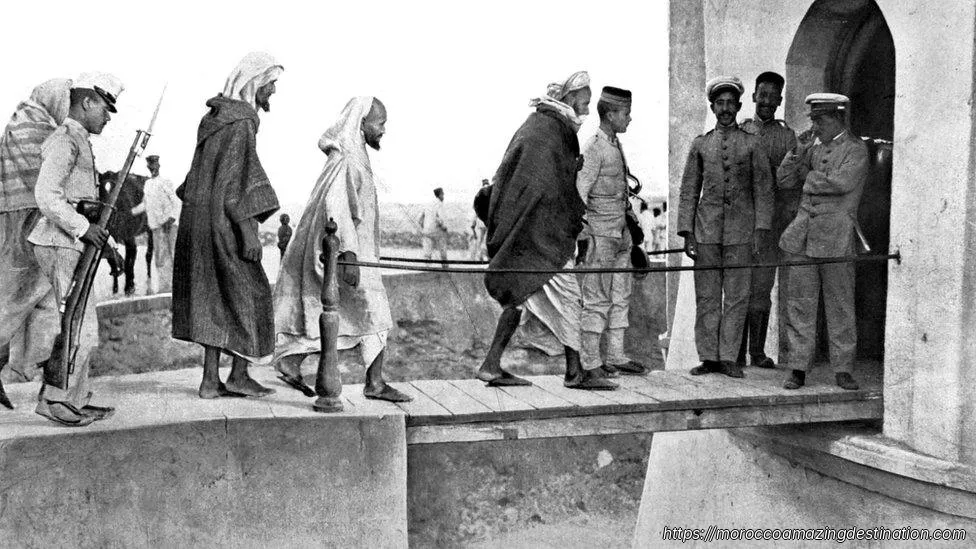
Did Morocco get colonized? This is a question many travelers ask when exploring the North African kingdom’s rich cultural heritage. The answer is yes—Morocco experienced a complex colonial period under both French and Spanish rule that profoundly shaped its modern identity.
Unlike many African nations that faced direct colonization, Morocco became a protectorate—a unique arrangement where European powers controlled foreign policy and military affairs while maintaining the appearance of Moroccan sovereignty through the Sultan.
The Dual Protectorates: France and Spain Divide Morocco
In the early 20th century, European imperial ambitions converged on Morocco. After years of diplomatic maneuvering and military pressure, two treaties formalized foreign control:
- March 30, 1912: The Treaty of Fez established the French protectorate over most of Morocco
- November 27, 1912: A Franco-Spanish agreement created the Spanish protectorate in northern and southern zones
This division reflected Morocco’s strategic importance at the crossroads of Europe and Africa, controlling access to the Mediterranean through the Strait of Gibraltar.
The French Protectorate (1912-1956)
Under France’s control, Morocco underwent significant transformation. Hubert Lyautey, the first Resident-General, implemented a policy of indirect rule that preserved traditional Moroccan institutions while establishing French administrative control.
The French developed infrastructure including roads, railways, and ports primarily to serve economic interests. They expanded mining operations—particularly phosphate extraction—and established export-oriented agriculture. By World War I, approximately 40,000 Moroccans had fought in the French army as part of the “Moroccan Brigade.”
However, French rule faced persistent resistance, including the Zaian War (1914-1921) in the Middle Atlas mountains and participation in the larger Rif War (1921-1926) against Spanish forces.
The Spanish Protectorate (1912-1956)
Spain’s zone covered a northern strip along the Mediterranean coast—including cities like Tétouan and Chefchaouen—and a southern territory around Cape Juby. With its capital in Tétouan, the Spanish administration faced even more significant resistance than their French counterparts.
The Rif War (1921-1926) represented the most serious challenge to Spanish authority. Led by Abd el-Krim, the Republic of the Rif successfully resisted Spanish forces until France intervened to protect its own interests in southern Morocco.
The Path to Independence: Revolution of the King and the People
Moroccan independence emerged from a unique alliance between traditional monarchy and modern nationalist movements—a partnership Moroccans call the “Revolution of the King and the People.”
Growing Nationalist Sentiment
Throughout the 1930s and 1940s, nationalist sentiment grew stronger:
- The 1930 Berber Decree sparked widespread protests by appearing to divide Moroccan society
- The Istiqlal Party issued its Proclamation of Independence in 1944, demanding full sovereignty
- Sultan Mohammed V delivered his historic Tangier Speech in 1947, calling for independence
International support also strengthened Morocco’s position. At the 1943 Anfa Conference, President Franklin D. Roosevelt expressed support for post-war Moroccan independence.
The Crisis of 1953-1955
The turning point came in 1953 when French authorities, collaborating with feudal lord Thami El Glaoui, deposed Sultan Mohammed V and exiled him to Madagascar. They installed Mohammed Ben Aarafa as a puppet ruler.
This action backfired spectacularly. Widespread popular resistance erupted across Morocco, including armed struggle by the Moroccan Army of Liberation. Urban riots, rural uprisings, and international pressure forced France to negotiate.
In November 1955, Mohammed V returned from exile to massive popular acclaim. Within months, negotiations concluded with the Franco-Moroccan Joint Declaration of March 2, 1956, ending the French protectorate. Spain recognized Moroccan independence on April 7, 1956.
Lasting Impacts of Colonization on Modern Morocco
The colonial period left enduring marks on contemporary Morocco:
Language and Education
- French remains widely spoken by approximately 35% of Moroccans
- Educational systems continue to reflect French models
- Morocco maintains membership in Francophonie, the international organization of French-speaking countries
Economic Structures
- Infrastructure developed during colonization—including roads, railways, and ports—forms the backbone of modern transportation
- Phosphate mining, expanded by the French Office Chérifien des Phosphates (OCP), remains crucial to Morocco’s economy
- Agricultural patterns established for export continue to influence farming practices
Cultural and Political Legacy
- Urban planning in cities like Casablanca and Rabat reflects French colonial design
- Migration patterns created a large Moroccan diaspora in France (over 1.5 million people)
- Neocolonial relationships persist through economic and military cooperation
Territorial Disputes
Colonial boundaries contributed to ongoing territorial issues:
- Ceuta and Melilla: Spain retains control of these North African enclaves, which Morocco claims as occupied territory
- Western Sahara: The legacy of colonial partition influences current territorial disputes
Exploring Morocco’s Colonial Heritage Today
Visitors to Morocco can discover traces of this complex history throughout the country:
- Casablanca: Marvel at Art Deco architecture and the magnificent Hassan II Mosque
- Rabat: Visit the Hassan Tower and explore the capital’s blend of traditional and colonial urban planning
- Essaouira: Wander through the UNESCO-listed medina with its distinctive Portuguese and French colonial influences
- El Jadida: Explore this Portuguese colonial city with its well-preserved fortifications
- Imperial Cities: Discover how Fes, Meknes, and Marrakech maintained their cultural identity despite foreign rule
Understanding Morocco’s colonial experience provides deeper appreciation for the country’s remarkable ability to preserve its cultural heritage while embracing modern development.
If you’re interested in experiencing Morocco’s rich history firsthand, consider joining one of our expertly guided tours that explore both ancient traditions and colonial influences:
- 8-Day Imperial Cities and Sahara Desert Tour from Casablanca: Discover Morocco’s imperial heritage while exploring the stunning Sahara Desert
- 15-Day Grand Cultural Tour from Tangier to Marrakech: Experience the complete Moroccan journey, including coastal cities with Portuguese colonial architecture like Essaouira and El Jadida
If you found this helpful, add us as your preferred source on Google.
Frequently Asked Questions
Did Morocco get colonized?
Yes, Morocco was colonized by both France and Spain in 1912, establishing dual protectorates that lasted until Morocco gained independence in 1956.
When did Morocco gain independence from France and Spain?
Morocco officially gained independence from France on March 2, 1956, and from Spain on April 7, 1956.
What was the difference between the French and Spanish protectorates in Morocco?
The French protectorate covered most of Morocco including major cities like Rabat, Fes, and Marrakech, while the Spanish protectorate controlled northern regions along the Mediterranean and a southern zone around Cape Juby.
How did Sultan Mohammed V contribute to Moroccan independence?
Sultan Mohammed V became a symbol of resistance against colonial rule. After being exiled by the French in 1953, popular uprisings forced his return in 1955, leading directly to negotiations for independence.
Ready for an Adventure?
Have questions? Feel free to contact us using the form below. We're here to help!