· Travel · 8 min read
Morocco Desert Camps & Camel Treks: Recommendations and What to Expect
Discover the best Morocco desert camps and camel treks. From luxury glamping to traditional Berber camps — here's what to expect, what to pack, and how to choose the perfect Sahara experience.
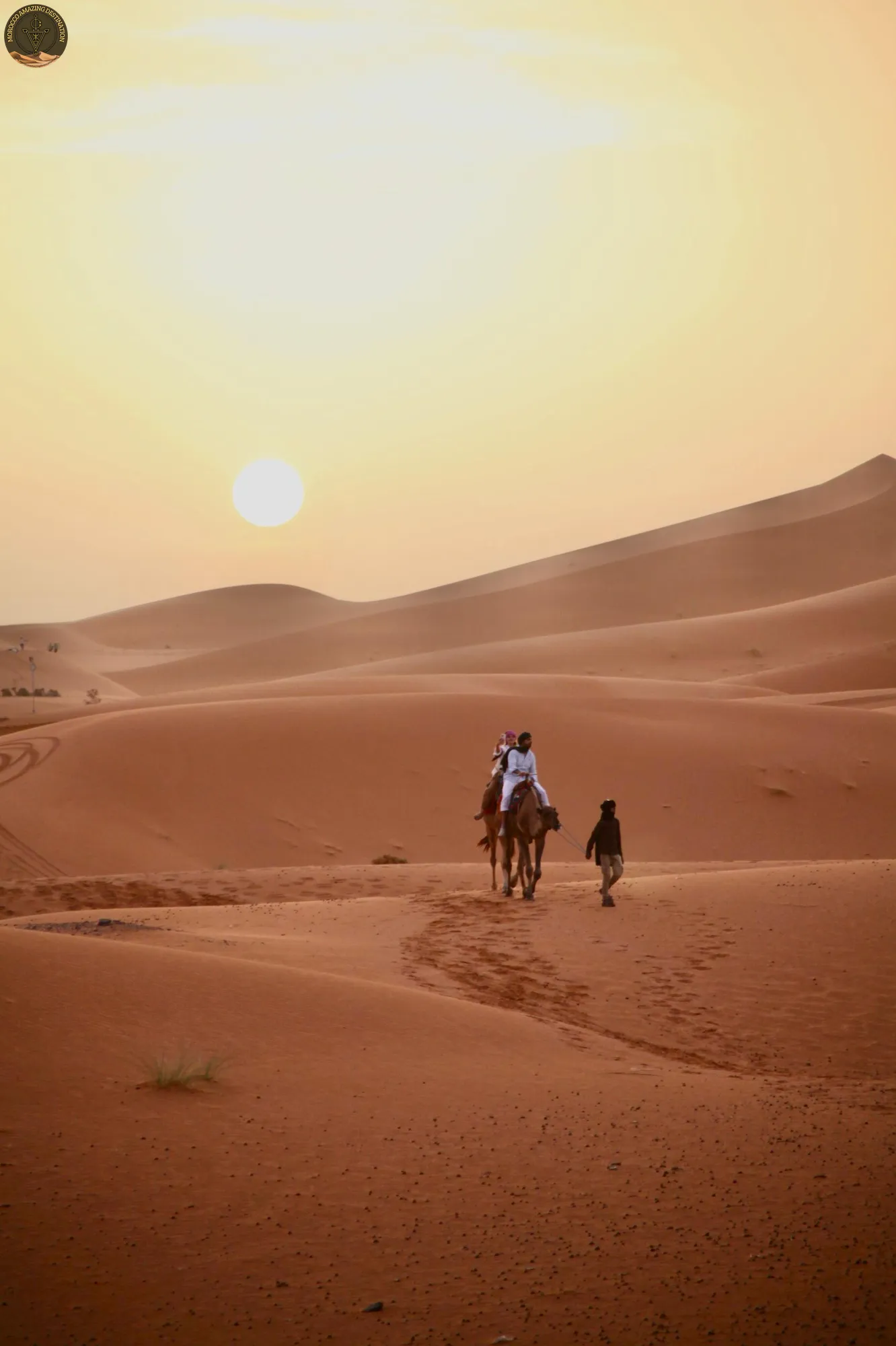
Imagine the sun sinking behind endless golden dunes, the sky shifting through shades of orange and violet, and the only sound being the soft padding of camel hooves on sand. A night in a Morocco desert camp is not just accommodation — it is one of the most profound travel experiences on Earth. Whether you picture yourself glamping under a canopy of stars or trekking deep into the Sahara on a camel, knowing which Morocco desert camps and camel treks suit your travel style makes all the difference.
This guide covers every detail: the types of desert camps you can book, what a camel trek actually feels like, what to pack, and how to choose the right Sahara experience for your Morocco trip.
Types of Desert Camps in Morocco
Not all Sahara camps are created equal. Understanding the different options helps you match your comfort level, budget, and adventure appetite.
Luxury Desert Camps — Glamping in the Dunes
Luxury desert camps, concentrated around Merzouga’s towering Erg Chebbi dunes, deliver a boutique-hotel experience under the Sahara sky. Expect private tents with real beds, en-suite bathrooms with hot showers, electricity, and gourmet Moroccan meals served in a candlelit dining tent.
These camps cost more — roughly 80 to 250 EUR per person per night — but include sunset camel rides, live Berber music, and attentive service. If comfort matters or you are celebrating a special occasion, a luxury camp is the way to go.
Best for: Couples, honeymooners, families, and anyone who wants the Sahara without sacrificing comfort.
Traditional Berber Camps — Authenticity First
For a raw, immersive experience, traditional Berber camps near Zagora, M’Hamid, and the wilder Erg Chigaga dunes deliver. These camps use thick woven wool tents, shared bathroom facilities, and simple mattresses on rugs. The focus is on genuine nomadic hospitality: storytelling around the fire, home-cooked tagine, and the deep silence of the remote desert.
Prices range from 30 to 60 EUR per person per night, often including a camel trek and dinner. The trade-off in comfort brings an authenticity that luxury camps cannot replicate.
Best for: Backpackers, adventure travelers, and those seeking a real connection with Berber culture.
Mobile and Private Desert Camps
Some operators offer mobile camps that move with you across the desert on multi-day camel treks. These lightweight setups include sleeping bags, a communal tent for meals, and a dedicated cook. Alternatively, you can book a private camp — a single tent set up exclusively for you in a remote dune location, far from any other group.
Best for: Photographers, couples seeking total privacy, and multi-day Sahara trekking expeditions.
What to Expect on a Camel Trek in Morocco
Riding a camel through the Sahara sounds romantic — and it is — but a few practical details make the experience more enjoyable.
Duration and Terrain
Most desert packages include a 1- to 2-hour sunset camel ride that takes you from the camp meeting point into the dunes and back. The terrain ranges from flat gravel plains to steep sand dunes. Camels walk slowly and rhythmically at about 5 km/h, so you have plenty of time to absorb the landscape.
Full-day treks cover 15 to 25 km with breaks for tea and lunch in the shade of a tamarisk tree or a nomad tent. Multi-day expeditions can cover up to 100 km over several days, moving from one camp to the next.
What It Feels Like
Camels stand up back legs first, so you lurch forward and then back — hold on tight. Once the camel is upright, the ride is surprisingly smooth and meditative. Your guide leads the camel on foot, walking alongside or ahead. You sit on a padded saddle, high enough to see the desert stretch out in every direction.
Safety and Comfort Tips
- Wear long, loose trousers to avoid saddle chafing.
- Bring a scarf to cover your face if the wind picks up.
- Trust your camel handler — camels know the terrain and their temperament.
- Do not expect to ride for hours without a break; handlers always pause for rest.
- Stay hydrated and apply sunscreen even in late afternoon.
How to Choose the Right Desert Experience
With dozens of operators and locations to pick from, narrowing down your choice comes down to three key decisions.
Departure City: Marrakech vs Fes
- Marrakech to Merzouga is the most popular route. It takes 2 to 3 days minimum, crossing the High Atlas via the Tizi n’Tichka pass, with stops at Ait Benhaddou, Ouarzazate, and the Dades Valley. A 3-day tour is the standard minimum.
- Fes to Merzouga is shorter — about 7 hours of driving through the Middle Atlas and the Ziz Valley. A 2-day tour is feasible, though 3 days is more comfortable.
- Ouarzazate to Zagora/M’Hamid offers a quieter alternative to Merzouga, reaching Erg Chigaga’s wild dunes in a single long driving day or two relaxed ones.
Budget Considerations
- Budget (30–60 EUR/night): Traditional camps, shared tents, basic facilities.
- Mid-range (60–120 EUR/night): Comfortable private tents with shared bathrooms, decent meals, and included activities.
- Luxury (120–250+ EUR/night): En-suite bathrooms, gourmet dining, private tent, and premium service.
Group Tours vs Private Tours
- Group tours are sociable, cost-effective, and follow a fixed itinerary. Perfect for solo travelers and backpackers.
- Private tours offer flexibility: choose your departure time, linger at viewpoints, and request specific camp styles. Ideal for families, couples, and photographers.
What to Pack for a Desert Camp Stay
Packing smartly makes the difference between a comfortable night and a miserable one. The Sahara is hot during the day and surprisingly cold at night, especially in winter.
- Clothing: Light layers for daytime, a warm fleece or jacket for evening. Long trousers and long sleeves protect against sun and insects.
- Footwear: Closed-toe shoes or sturdy sandals for walking on hot sand.
- Headscarf (cheche): Essential for sun protection and keeping sand out of your face.
- Sunscreen and lip balm: The desert sun is relentless even on cloudy days.
- Flashlight or headlamp: Camps use lanterns but a personal light is helpful.
- Wet wipes and hand sanitizer: Most traditional camps have limited running water.
- Power bank: Some luxury camps have charging points; traditional camps rarely do.
- Camera: The sunrise and sunset light on the dunes is unlike anything else.
Leave large suitcases in your riad or hotel; you will only carry a small overnight bag into the desert. Most tour operators store your main luggage in their vehicle.
Best Time for Desert Camps and Camel Treks
- Spring (March to May) and Autumn (September to November) offer ideal temperatures: warm days around 25–30°C and cool but comfortable nights.
- Winter (December to February) brings cold nights that can drop near freezing. Camps provide thick blankets and campfires, but pack extra layers.
- Summer (June to August) is scorching — daytime temperatures often exceed 40°C. Camps still operate, but camel treks shift to early morning and late evening.
Avoid booking during sandstorms (more common in late spring) by checking forecasts and trusting your tour operator’s judgment.
Food, Music, and Culture at Desert Camps
A Sahara night is more than a place to sleep. After the sunset camel ride, you return to camp for a traditional Moroccan dinner: steaming vegetable or meat tagine, couscous, fresh bread, mint tea, and seasonal fruit.
After dinner, the camp staff and local musicians gather around the fire. They play drums, sing Berber songs, and invite you to join in. The lack of light pollution reveals a staggering number of stars — you will see constellations and the Milky Way with startling clarity.
Morning brings a simple breakfast of bread, olive oil, jam, coffee, and tea before the return camel ride or drive back to your vehicle.
Common Myths About Camel Treks and Desert Camps
| Myth | Reality |
|---|---|
| Camels are uncomfortable and smelly | Camels have a unique scent but it is not overpowering. The saddle is padded and the ride is gentle. |
| The desert is dangerously hot at night | The Sahara cools significantly after sunset. Nights are often cold, especially outside summer. |
| You need to be fit for a camel trek | Short rides are suitable for all fitness levels. Multi-day treks require moderate stamina. |
| Desert camps are basic and dirty | Luxury camps rival boutique hotels. Even traditional camps are well-maintained and welcoming. |
| There are snakes and scorpions everywhere | Wildlife exists but is rarely seen in camp areas. Keep your tent zipped and shake out your shoes in the morning. |
A Night in the Sahara Is More Than Camping
The Sahara Desert is not just a destination — it is a feeling. The silence. The scale. The warmth of Berber hospitality under a billion stars. Whether you choose a luxury glamping tent in Merzouga or a traditional camp in the remote dunes of Erg Chigaga, a night in Morocco’s desert will be the story you tell long after your trip ends.
Choose a reputable local operator, pack smartly, and let the desert work its magic.
If you are ready to experience the Sahara firsthand, consider our carefully crafted desert tours that include everything: transport, guided camel treks, and unforgettable nights at handpicked desert camps.
- 3-Day Trip from Marrakech to Merzouga — A compact yet immersive Sahara experience crossing the High Atlas, visiting Ait Benhaddou, and sleeping under the stars at Merzouga’s dunes. Explore the 3-day desert tour
- 4-Day Morocco Desert Tour from Marrakech — An extended adventure that adds the Dades Valley, Todra Gorge, and a relaxed pace through Morocco’s most dramatic landscapes before reaching your luxury desert camp. See the 4-day Sahara itinerary
Both tours are led by experienced local guides who know the desert intimately, ensuring you get the very best from your Morocco desert camp and camel trek experience.
If you found this helpful, add us as your preferred source on Google.
Frequently Asked Questions
What's the difference between luxury and traditional desert camps in Morocco?
Luxury desert camps offer private en-suite tents with comfortable beds, hot showers, electricity, and gourmet dining — similar to a boutique hotel under the stars. Traditional Berber camps are simpler, using thick wool tents or open-air setups with shared facilities, focusing on authenticity and a nomadic experience. Both offer incredible hospitality, campfire evenings, and unforgettable Sahara sunsets.
How long is a typical camel trek in the Sahara?
Camel treks vary widely. A short "taster" ride lasts 60 to 90 minutes — perfect for sunset photography and getting a feel for the dunes. Full-day treks span 4 to 6 hours with rest stops. Multi-day expeditions can last 3 to 7 days, crossing remote desert terrain and sleeping at different camps each night. Most first-timers opt for the 1- to 2-hour sunset camel ride included in standard desert packages.
What should I pack for a night in the Moroccan desert?
Pack lightweight, breathable layers for the day and warm clothing for chilly desert nights. Essentials include - a headscarf (to protect from sun and sand), sunglasses, sunscreen, closed-toe shoes, a flashlight or headlamp, wet wipes, a power bank, and a small backpack. Camps provide bedding and meals but bring personal toiletries and any medications you need.
Is it safe to camp and ride camels in the Sahara Desert?
Yes, Sahara desert camps and camel treks are very safe when booked through reputable local operators. Camels are gentle, well-trained animals led by experienced handlers. Camps are set up in secure, established areas away from extreme terrain. Morocco's desert tourism infrastructure is well-developed, especially around Merzouga and Zagora. Always book through a licensed tour company, follow your guide's instructions, and stay hydrated.
- sahara-desert
- desert-camps
- camel-treks
- desert-camping
- adventure
- morocco-travel
- morocco
- camping
- merzouga
- travel-tips
Ready for an Adventure?
Have questions? Feel free to contact us using the form below. We're here to help!