· Travel · 8 min read
The Complete Guide to Visiting the Sahara Desert in Morocco
Discover everything you need to know about visiting the Sahara Desert in Morocco, from camel treks in Merzouga to unforgettable desert camps under the stars.
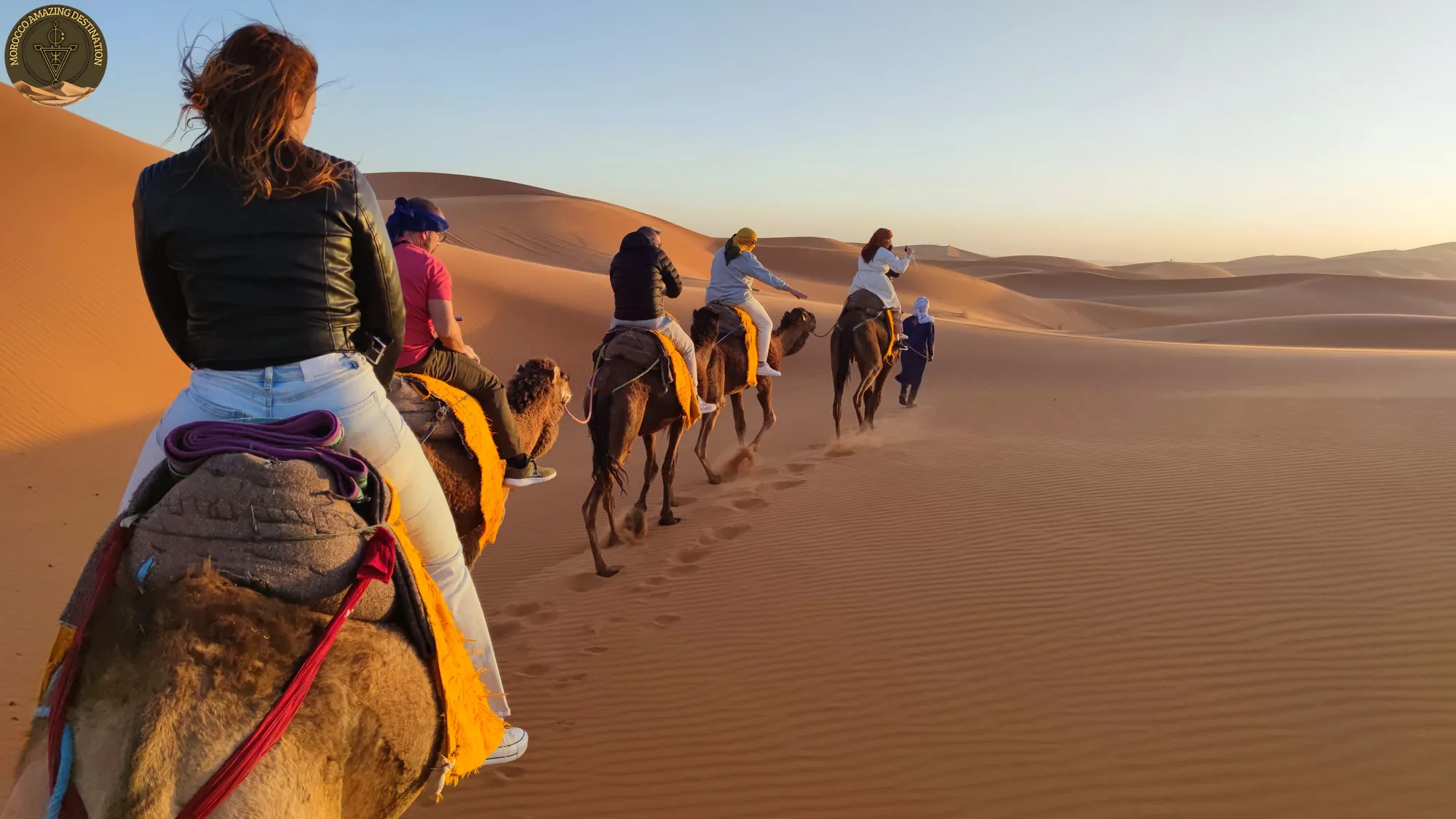
The Sahara Desert in Morocco represents one of the most breathtaking and transformative travel experiences available in North Africa. This comprehensive guide will walk you through everything you need to know to plan your perfect Sahara adventure, from the golden dunes of Merzouga to the traditional Berber camps that offer an authentic glimpse into desert life.
Why Visit the Sahara Desert in Morocco?
The Sahara Desert Morocco spans across much of North Africa, but the Moroccan portion offers some of the most accessible and memorable desert experiences in the world. Unlike more remote desert destinations, Morocco’s Sahara is relatively easy to reach from major cities like Marrakech, Fes, and Casablanca, making it perfect for travelers with limited time.
What makes the Moroccan Sahara special is the combination of dramatic landscapes, rich Berber culture, and unique activities that can’t be found anywhere else. Imagine watching the sun rise over golden dunes, spending a night in a traditional desert camp, or riding a camel across the Erg Chebbi dunes—these are experiences that will stay with you forever.
Understanding the Moroccan Sahara
The Erg Chebbi Dunes
Located near the town of Merzouga, the Erg Chebbi dunes are the most famous sand dunes in Morocco. Rising up to 150 meters high, these magnificent dunes create an otherworldly landscape that changes color throughout the day. The dunes are particularly stunning at sunrise and sunset when the light casts long shadows across the sand, creating perfect conditions for photography.
The Erg Chebbi dunes are part of a protected area and represent one of the only places in Morocco where you can experience true Saharan landscapes. Unlike the rocky deserts found in other regions, these massive sand dunes offer the classic desert experience that most travelers dream about.
Merzouga: The Gateway to the Desert
Merzouga desert serves as the primary gateway for Sahara adventures. This small town on the edge of the dunes offers various accommodations, from basic guesthouses to luxury desert camps. Most desert tours Morocco itineraries begin or end in Merzouga, making it the perfect base for your desert exploration.
The village itself has developed tourism infrastructure while maintaining its traditional charm. You’ll find restaurants serving local cuisine, shops selling handcrafted souvenirs, and numerous tour operators offering various desert experiences.
Planning Your Sahara Desert Trip
Best Time to Visit
Timing your visit is crucial for enjoying the Sahara Desert. The desert experiences extreme temperatures, with scorching summers and cold winters. The best time to visit is during spring (March to May) or fall (September to November), when daytime temperatures are comfortable for exploration and nighttime temperatures remain mild enough for camping.
Summer months (June to August) can be brutal, with temperatures often exceeding 40°C (104°F). If you must visit during summer, limit outdoor activities to early morning and evening. Winter (December to February) offers cooler days but cold nights that can drop below freezing, so pack warm layers.
How to Get There
Most travelers reach the Sahara through organized desert tours Morocco packages that include transportation from cities like Marrakech or Fes. These tours typically last 2-3 days and follow scenic routes through the High Atlas Mountains, stopping at notable attractions like the Ait Benhaddou Kasbah and Ouarzazate.
If you’re traveling independently, you can take a bus or hire a car to reach Merzouga. However, having a 4x4 vehicle is recommended for the final stretch as roads can be challenging. Many travelers find that joining a tour provides the most convenient and enriching experience.
Must-Do Experiences in the Sahara
Camel Trekking
No trip to the Sahara is complete without a camel trek sahara adventure. Riding these majestic animals across the dunes is an experience that connects you with centuries of desert tradition. Most treks last between 30 minutes to several hours, depending on your preference and fitness level.
Camel trekking in the Sahara typically takes place at sunrise or sunset when temperatures are cooler and the light is most spectacular. Your Berber guide will lead you through the dunes while sharing stories about desert life and local traditions. Even beginners can enjoy this experience, as camels move slowly and steadily.
Desert Camping
Spending a night under the Saharan sky is arguably the highlight of any Morocco trip. Desert camping options range from basic bivouacs to luxury camps with private tents, en-suite bathrooms, and even WiFi. Regardless of the level of comfort you choose, sleeping beneath a blanket of stars is an unforgettable experience.
Most desert camps offer activities like sandboarding, music performances by local musicians, and traditional Berber cooking demonstrations. Evening entertainment often includes drumming circles and stories told by local guides, providing insight into desert culture and folklore.
Sandboarding
For adventure seekers, sandboarding down the dunes provides an adrenaline rush similar to snowboarding. Most desert camps and tour operators offer sandboards at no extra cost. The smooth dunes make this activity accessible to beginners, while larger dunes challenge more experienced boarders.
Watching Sunrise and Sunset
The Sahara Desert produces some of the most spectacular sunrises and sunsets you’ll ever witness. As the sun climbs over the dunes, the sand transforms from dark orange to brilliant gold. Sunset brings dramatic color changes, with the sky painting itself in shades of pink, purple, and deep orange.
Many tours wake guests early for sunrise excursions, while others organize sunset viewing sessions from the dune tops. Both experiences are equally magical and should not be missed during your Sahara adventure.
What to Pack for Your Sahara Trip
Packing appropriately can make or break your desert experience. Here’s what you should bring:
- Loose, breathable clothing: Light cotton or linen clothes help regulate body temperature
- Sun protection: High SPF sunscreen, sunglasses, and a wide-brimmed hat are essential
- Warm layers: Nights can be cold, even in summer, so bring a jacket or sweater
- Comfortable shoes: Sandals for relaxing and sturdy shoes for walking in sand
- Scarf or buff: Protects against sand and sun
- Reusable water bottle: Staying hydrated is crucial
- Camera: The desert landscapes are incredibly photogenic
Avoid dark colors that absorb heat, and leave expensive jewelry at home. Layering is key, as temperatures vary significantly between day and night.
Choosing the Right Desert Tour
With numerous Morocco desert tours available, selecting the right one requires consideration of several factors:
Tour Duration
- 2-day tours: Best for those with limited time, covering highlights like the dunes and one night in the desert
- 3-day tours: The most popular option, allowing time for multiple attractions and an overnight desert camp experience
- 4+ day tours: Ideal for those wanting a more relaxed pace and additional exploration
Tour Type
- Group tours: More affordable, social atmosphere
- Private tours: Personalized experience with flexible schedules
- Luxury tours: Premium accommodations and services
Included Activities
Ensure your tour includes the experiences that matter most to you, whether that’s camel trekking, sandboarding, or cultural interactions with local Berber families.
Exploring Beyond the Dunes
The Valley of the Roses
Between the High Atlas Mountains and the Sahara lies the Valley of the Roses, famous for its rose water production. The valley comes alive in May during the Rose Festival, but it’s beautiful year-round with its palm groves and ancient kasbahs.
Todra and Dades Gorges
These dramatic gorges offer a stark contrast to the desert landscape. The Todra Gorges feature towering red rock walls rising 300 meters above the river, making them popular for rock climbing. The Dades Gorges are known for their unique rock formations that resemble monkey fingers.
Ouarzazate and Ait Benhaddou
Often included in desert tour itineraries, Ouarzazzate is known as the “Hollywood of Morocco” for its film studios. Nearby Ait Benhaddou is a UNESCO World Heritage site and one of the best-preserved ksars in Morocco, having appeared in numerous films including Gladiator and The Mummy.
Respecting Desert Culture and Environment
When visiting the Sahara, it’s important to be a responsible traveler:
- Follow your guide’s instructions: The desert can be dangerous for those unfamiliar with its challenges
- Stay on marked paths: Protects fragile desert ecosystems
- Reduce plastic use: Bring reusable bottles and bags
- Support local businesses: Choose locally-owned camps and guides
- Dress modestly: Respect local customs, especially in villages
Conclusion
The Sahara Desert Morocco offers an extraordinary adventure that combines natural beauty, cultural immersion, and unforgettable experiences. Whether you’re watching the sunrise from a camel back, sleeping beneath a canopy of stars, or simply feeling the warm sand between your toes, the Sahara creates memories that last a lifetime.
By planning your trip during the right season, packing appropriately, and choosing a quality tour operator, you’re guaranteed to have an incredible experience in one of the world’s most magnificent landscapes. The desert awaits—are you ready to explore it?
Explore Morocco With Our Recommended Tours
Ready to experience the magic of Morocco for yourself? Whether you’re visiting in the warm spring or the cool autumn, we have the perfect itinerary for you.
Check out our 3 Day Trip From Marrakech to Merzouga to experience the majestic Sahara dunes, or opt for a 4 Day Trip From Marrakech to Fes to uncover the rich history and diverse landscapes connecting these two incredible Imperial Cities.
If you found this helpful, add us as your preferred source on Google.
Frequently Asked Questions
What is the best time to visit the Sahara Desert in Morocco?
The best time to visit the Sahara Desert is during spring (March to May) or fall (September to November) when temperatures are moderate. Summer can be extremely hot, reaching above 40°C, while winter nights can drop below freezing.
How do I get to the Sahara Desert from Marrakech?
Most travelers join organized desert tours from Marrakech, which typically take 2-3 days. The journey goes through the High Atlas Mountains, Ait Benhaddou, and Ouarzazate before reaching Merzouga or other desert gateways.
What should I pack for a Sahara Desert trip?
Essential items include loose, breathable clothing, sun protection (hat, sunscreen, sunglasses), warm layers for cold nights, comfortable walking shoes, and a scarf or buff for dust protection.
Is it safe to visit the Sahara Desert?
Yes, the Sahara Desert in Morocco is generally safe for tourists. Most visits are through organized tours with experienced guides. It's important to stay hydrated, follow your guide's instructions, and respect local customs.
- sahara-desert-morocco
- merzouga-desert
- desert-tours-morocco
- camel-trek-sahara
- erg-chegaga
- morocco-adventure
- desert-camping
Ready for an Adventure?
Have questions? Feel free to contact us using the form below. We're here to help!