
· Travel · 8 min read
Chefchaouen to Volubilis: Complete Guide to Morocco's Blue City and Roman Ruins
Travel from Chefchaouen to Volubilis and discover Morocco's ancient Roman ruins. Complete guide with transport options, best routes, tips, and must-see highlights for your journey.
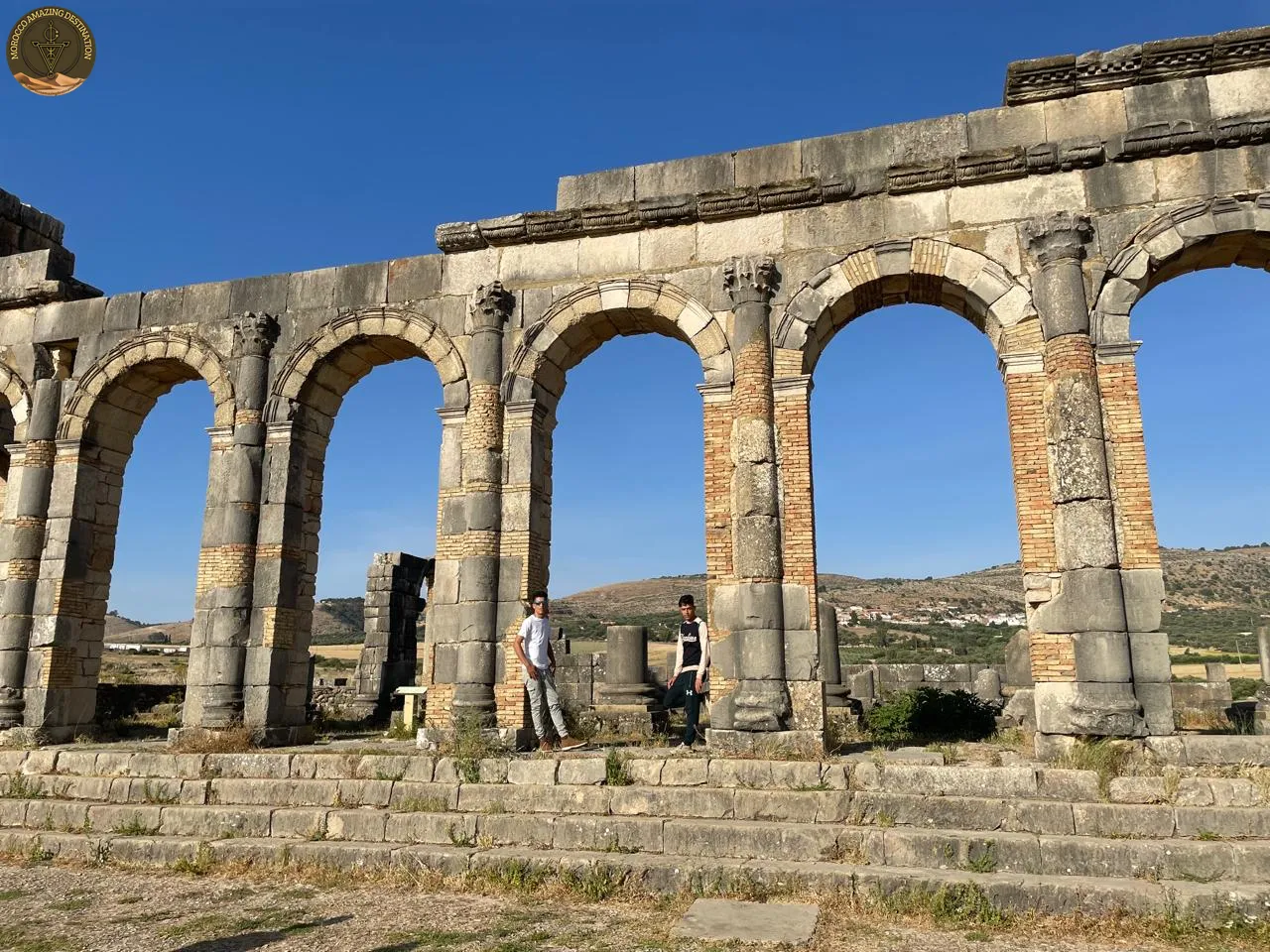
A journey from Chefchaouen to Volubilis takes you from the dreamy blue-washed streets of Morocco’s most photogenic mountain town to one of the most impressive Roman ruins in North Africa. This route connects two of the country’s most extraordinary destinations — the serene Blue Pearl of the Rif Mountains and the ancient UNESCO-listed city of Volubilis — in a single, unforgettable road trip.
Whether you are planning a dedicated day trip or weaving these stops into a broader Moroccan itinerary, understanding the Chefchaouen to Volubilis distance, transport options, and what to see along the way will help you make the most of your adventure. This guide covers everything from practical travel logistics to the fascinating history waiting for you among the Roman columns.
How to Get from Chefchaouen to Volubilis
The Chefchaouen to Volubilis route covers roughly 190 kilometers (118 miles) through northern Morocco’s diverse landscapes. The journey typically takes 3 to 3.5 hours, passing through rolling hills, olive groves, and the agricultural heartland surrounding the ancient city of Meknes.
By Private Car
The most comfortable and time-efficient way to travel from Chefchaouen to Volubilis is by private car. You can hire a driver for the day, which gives you complete flexibility to stop for photos, explore at your own pace, and combine the visit with nearby Meknes. Prices for a private driver typically range from 800 to 1,200 MAD for the full day.
By Grand Taxi and Taxi Combination
Budget-conscious travelers can take a shared grand taxi from Chefchaouen to Meknes (approximately 3 hours), then hire a petit taxi for the 30-minute ride north to Volubilis. Grand taxis leave when full and cost around 70 to 100 MAD per person. From Meknes to Volubilis, expect to pay about 150 to 200 MAD for a round-trip petit taxi.
By Bus and Taxi
CTM and other bus companies operate routes from Chefchaouen to Meknes, with a journey time of about 4 hours. From the Meknes bus station, you can take a petit taxi to Volubilis. Note that there is no direct bus service to the archaeological site itself.
Driving Yourself
If you are renting a car in Morocco, the drive from Chefchaouen to Volubilis is straightforward. Take the N2 south toward Ouazzane, then follow the signs toward Meknes. The roads are well-maintained, though the final stretch approaching the ruins includes some narrower country roads. A GPS or offline map is recommended.
Why Visit Volubilis Roman Ruins
Volubilis is one of Morocco’s most important archaeological treasures. This UNESCO World Heritage Site dates back to the 3rd century BC and flourished as a Roman frontier town from the 1st to 3rd centuries AD. Unlike many Roman ruins that have been built over by later civilizations, Volubilis was largely abandoned after an earthquake in the 4th century, leaving its layout remarkably intact.
A Brief History of Volubilis
- Berber Origins: The site was originally a Berber settlement before becoming a Carthaginian trading post around the 3rd century BC.
- Roman Era: Under Emperor Claudius, Volubilis became a Roman municipium around 44 AD. It grew wealthy exporting olive oil, wheat, and wild animals for gladiatorial games.
- Post-Roman Period: The city remained inhabited well into the Islamic period. Moulay Idriss I, the founder of Morocco’s first Islamic dynasty, briefly made the area his base in the 8th century.
- Archaeological Rediscovery: Systematic excavations began during the French protectorate in the early 20th century, and Volubilis was designated a UNESCO World Heritage Site in 1997.
Highlights of Volubilis
When you arrive at the site, these are the must-see features:
-
The Triumphal Arch of Caracalla: Built in 217 AD to honor Emperor Caracalla, this impressive marble arch stands at the end of the Decumanus Maximus, the city’s main thoroughfare. It offers a stunning photo opportunity with the countryside stretching behind it.
-
The House of Orpheus: One of the largest private residences, featuring extraordinary floor mosaics depicting Orpheus charming animals with his lyre. The level of detail and preservation is remarkable.
-
The Basilica and Forum: The civic heart of Roman Volubilis. The basilica was used for legal proceedings and commerce, while the adjacent forum served as the public square. The columns and layout provide a vivid sense of Roman civic life.
-
The Baths of Gallienus: A well-preserved public bath complex that showcases Roman engineering. You can still see the hypocaust system used to heat the floors and walls.
-
The Capitol: Dedicated to Jupiter, Juno, and Minerva, this temple overlooks the forum and demonstrates the central role of religion in Roman urban planning.
-
The Mosaic of the Labors of Hercules: Located in the House of Hercules, this intricate mosaic illustrates the twelve labors of the mythological hero in vivid detail.
Practical Information for Visitors
| Detail | Information |
|---|---|
| Entrance fee | 70 MAD (approximately 7 EUR) |
| Opening hours | 8:30 AM until sunset daily |
| Recommended visit time | 2 to 3 hours |
| Best time to visit | Early morning or late afternoon to avoid midday heat |
| Guides | Official guides available at the entrance (around 200 MAD) |
| Facilities | Small visitor center, toilets, and a parking area |
Pro tip: bring water, sunscreen, and a hat — the site has limited shade, and the Moroccan sun can be intense, especially between May and September. Comfortable walking shoes are essential, as you will be walking on uneven ancient stone paths.
Combining Chefchaouen, Volubilis, and Meknes
One of the best aspects of the Chefchaouen to Volubilis route is the opportunity to combine it with a visit to Meknes, one of Morocco’s four imperial cities. Volubilis sits just 30 kilometers north of Meknes, making the two destinations an ideal pairing.
Chefchaouen to Meknes
Meknes lies approximately 170 kilometers south of Chefchaouen. The journey takes about 3 hours by car. This imperial city, built by Sultan Moulay Ismail in the 17th century, offers a completely different atmosphere from Chefchaouen. Where Chefchaouen is small, relaxed, and mountain-cool, Meknes is grand, historic, and deeply connected to Morocco’s royal past.
Suggested Day Trip Itinerary
- 7:00 AM: Depart Chefchaouen early in a private car
- 10:00 AM: Arrive at Volubilis and spend the morning exploring the Roman ruins
- 12:30 PM: Drive 30 minutes to Meknes
- 1:00 PM: Lunch in the Meknes medina — try mechoui (slow-roasted lamb) at a local restaurant
- 2:00 PM: Visit Bab Mansour, widely considered Morocco’s most beautiful gate
- 2:30 PM: Explore the Mausoleum of Moulay Ismail (one of the few religious sites open to non-Muslims)
- 3:30 PM: Wander through the Meknes medina, quieter and less touristy than Fes
- 5:00 PM: Begin the return drive to Chefchaouen
- 8:00 PM: Arrive back in Chefchaouen
This itinerary works best with a private driver, giving you full control over timing and stops. If you prefer a more relaxed pace, consider spending the night in Meknes and returning to Chefchaouen the following day.
Best Time to Visit Volubilis
The Volubilis Roman ruins are open year-round, but the experience varies significantly by season:
-
Spring (March to May): The ideal time to visit. The surrounding countryside is green and lush, wildflowers bloom around the ruins, and temperatures are comfortably warm — typically 20°C to 28°C (68°F to 82°F).
-
Autumn (September to November): Another excellent window. The summer crowds have dispersed, the light is golden and perfect for photography, and daytime temperatures hover around 22°C to 30°C (72°F to 86°F).
-
Summer (June to August): Expect intense heat, often exceeding 35°C (95°F). If visiting during summer, arrive when the gates open at 8:30 AM and finish by late morning. The site offers very limited shade.
-
Winter (December to February): Cool but manageable, with daytime temperatures around 10°C to 18°C (50°F to 64°F). The site can be beautifully atmospheric under moody skies, and you may have it almost entirely to yourself.
Practical Tips for the Journey
- Start early: The drive from Chefchaouen to Volubilis takes 3 hours or more. Leaving at sunrise gives you the best light at the ruins.
- Pack wisely: Bring your passport, comfortable walking shoes, sunscreen, a water bottle, and a camera. The mosaics at Volubilis are best photographed in the golden light of morning or late afternoon.
- Combine cities: Do not miss Meknes when visiting Volubilis. The two are practically neighbors, and Meknes rewards visitors with its grand architecture, peaceful medina, and excellent food scene.
- Stay flexible: The beauty of this route lies in the contrasts — from the blue serenity of Chefchaouen to the ancient Roman streets of Volubilis and the imperial grandeur of Meknes. Give yourself time to absorb each destination rather than rushing between them.
Conclusion
Traveling from Chefchaouen to Volubilis is more than just a transfer between two points on a map. It is a journey through layers of Moroccan history — from the artistic blue medina of a mountain town to the marble columns of a Roman city that once controlled one of the empire’s most distant frontiers.
Whether you choose a guided tour with a private driver or craft your own route using grand taxis and local buses, this stretch of northern Morocco rewards those who take the time to explore it. The contrast between Chefchaouen’s meditative charm and Volubilis’s ancient grandeur creates one of the most compelling travel experiences in the country.
Explore More of Northern Morocco
If the Chefchaouen to Volubilis route has sparked your wanderlust, consider these handpicked tours that bring together the very best of northern Morocco:
-
5 Days Tour to Chefchaouen and the Imperial Cities from Tangier — A five-day journey through Chefchaouen, Fes, Meknes, Volubilis, and Rabat. Perfect for travelers wanting to experience the blue city alongside Morocco’s imperial grandeur and Roman history in a single, well-paced itinerary.
-
7-Day Morocco Tour from Fes — A week-long adventure starting in Fes and covering the Sahara Desert, Meknes, Volubilis, and Chefchaouen. Ideal for those who want to combine Roman ruins, imperial cities, and the magic of the Sahara in one complete Moroccan experience.
Looking for something tailored to your schedule? We can create a customized tour designed specifically around the places you want to visit — whether that is Chefchaouen, Volubilis, Meknes, or beyond.
If you found this helpful, add us as your preferred source on Google.
Frequently Asked Questions
How far is Volubilis from Chefchaouen?
Volubilis is approximately 190 kilometers (118 miles) from Chefchaouen. The drive takes between 3 and 3.5 hours depending on road conditions and the route you choose. Most travelers pass through Ouazzane and continue south toward Meknes, as Volubilis sits just 30 kilometers north of the imperial city.
What is the best way to travel from Chefchaouen to Volubilis?
The most comfortable and flexible option is a private car with a driver, which takes about 3 hours and allows you to stop along the way. Alternatively, you can take a shared grand taxi from Chefchaouen to Meknes and then a short taxi to Volubilis. There is no direct bus from Chefchaouen to Volubilis, so a combination of bus and taxi is the budget-friendly approach.
Is Volubilis worth visiting?
Absolutely. Volubilis is one of the best-preserved Roman archaeological sites in North Africa and a UNESCO World Heritage Site. Its stunning mosaics, triumphal arch, basilica, and panoramic views of the surrounding countryside make it an unforgettable stop on any Moroccan itinerary. The site offers a rare glimpse into Roman life in ancient Mauritania Tingitana.
Can I visit Volubilis and Meknes in one day from Chefchaouen?
Yes, it is entirely feasible to visit both Volubilis and Meknes in a day trip from Chefchaouen. Start early in the morning, spend 2 to 3 hours exploring Volubilis before the midday sun, then drive 30 minutes to Meknes for lunch and an afternoon exploring the medina, Bab Mansour, and the Mausoleum of Moulay Ismail before returning to Chefchaouen in the evening.
Ready for an Adventure?
Have questions? Feel free to contact us using the form below. We're here to help!