· Travel · 5 min read
Cash vs Credit Card in Morocco: How Much Cash to Carry Daily
Should you pay cash or card in Morocco? Discover how much Dirhams to carry daily, where credit cards work, and how to avoid ATM fees on your trip.
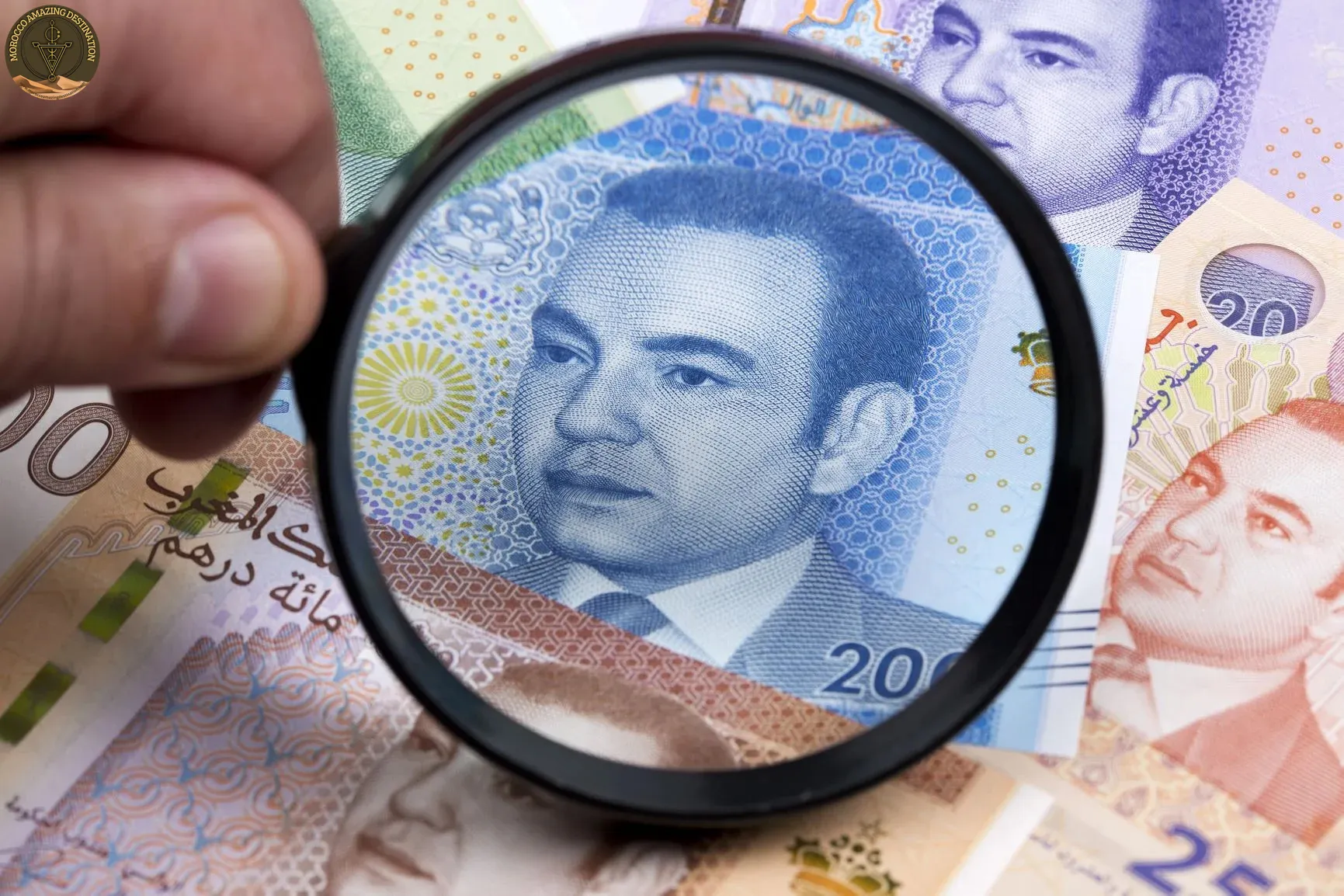
Planning a trip to Morocco and wondering about the cash vs credit card in Morocco dilemma? You are not alone. Every traveler asks the same question before landing in Marrakech, Fes, or Casablanca: how many Dirhams should I carry, and can I just use my card everywhere?
Morocco is a fascinating blend of old and new — and its payment culture reflects that. While luxury riads and modern malls happily take your credit card, the bustling souks, petit taxis, and mountain cafes run purely on cash. Knowing the right balance between cash and card in Morocco will save you money, stress, and awkward moments.
This guide breaks down exactly how much Moroccan Dirhams (MAD) you need daily, where each payment method works best, and how to keep your travel budget healthy.
Morocco Cash vs Card: The Reality
Morocco is still a cash-first economy. According to local banks and travel reports, over 80% of daily transactions happen in cash. Cards are gaining ground in tourist areas, but you cannot rely on plastic alone.
Here is the rule of thumb: if you are in a modern setting — a hotel chain, a shopping mall, or an international restaurant chain — your card will work. If you are anywhere else — and that includes most of the real Morocco — you need cash.
How Much Cash to Carry Per Day in Morocco
The amount of cash you need depends on your travel style. Below are realistic daily budgets covering food, local transport, tips, and small purchases. Accommodation and long-distance tours are excluded (these can usually be paid by card or booked in advance).
Budget Travelers: 300–400 MAD per day
- Street food and local cafes (3 meals): 100–150 MAD
- Petit taxi rides: 30–60 MAD
- Museum and site entry fees: 50–100 MAD
- Tips and incidentals: 30–50 MAD
- Souk shopping: varies
Mid-Range Travelers: 500–700 MAD per day
- Mid-range restaurant meals (3 meals): 200–300 MAD
- Taxi and transport: 50–100 MAD
- Entry fees and guides: 100–150 MAD
- Tips: 50–80 MAD
- Souk shopping and extras: 100–200 MAD
Luxury Travelers: 800+ MAD per day
- Fine dining and rooftop dinners: 300–500 MAD
- Private driver or guided tours: 200–400 MAD
- Tips for guides, drivers, and staff: 100–150 MAD
- Shopping and incidentals: 200+ MAD
Always keep an emergency buffer of 500–1000 MAD hidden in your luggage or money belt — especially useful in rural areas or if ATMs run out of cash on weekends.
Where Credit Cards Work in Morocco
Card acceptance is growing but limited. You can reliably use credit or debit cards at:
- International hotels and luxury riads
- Supermarkets (Marjane, Carrefour, Aswak Assalam)
- Mall stores and brand-name shops
- Upscale restaurants in major cities
- Some tourist-oriented souvenir shops
Visa and Mastercard are the most widely accepted. American Express is rarely accepted outside luxury hotels. Always ask before ordering or checking in — some places add a surcharge for card payments.
Where Cash is Mandatory
Cash is the only option in these situations:
- Petit taxis and grand taxis — never accept cards
- Souks and medina stalls — 95% of vendors are cash-only
- Street food and local cafes — no POS machines
- Small guesthouses and rural riads — cash preferred or required
- Entry fees to smaller heritage sites — always cash
- Tips for guides, drivers, and hotel staff — cash is expected
- Public bathrooms — small coins are essential
ATM Tips: Avoid Fees and Bad Rates
Using ATMs is the best way to get Moroccan Dirhams at a fair rate. Follow these tips to avoid losing money:
- Always choose MAD (local currency) when the ATM offers to convert to your home currency. The offered rate is usually 10–15% worse than the real rate.
- Use bank-affiliated ATMs — machines attached to Attijariwafa, BMCE, Banque Populaire, or CIH are safest.
- Withdraw larger amounts less often to minimize transaction fees. Most Moroccan ATMs allow 2000–4000 MAD per withdrawal.
- Check your bank’s foreign transaction fee — some cards charge 2–3% plus a fixed fee. A fee-free travel card is ideal.
- Avoid airport exchange bureaus for large amounts — rates are fair but you find slightly better ones in the city.
- Al Barid Bank ATMs often charge no additional local fee — look for these.
Should You Exchange Money Before You Go?
For a detailed answer, read our full guide on exchanging money before traveling to Morocco. The short version: do not exchange at home. The Dirham is a closed currency and rates outside Morocco are terrible. Bring Euros, USD, or GBP as backup and exchange upon arrival.
Smart Money Tips for Morocco
- Carry small bills (20, 50, 100 MAD) for taxis, tips, and street food.
- Keep larger bills (200 MAD) for bigger purchases.
- Use a money belt or hidden pouch — pickpocketing can happen in crowded medinas.
- Negotiate in souks with cash in hand — vendors give better prices for immediate payment.
- Notify your bank before traveling to avoid your card being blocked.
- Download a currency converter app for quick price checks.
- Never exchange money with street changers — it is a common scam.
Conclusion
Mastering the cash vs credit card in Morocco balance is simple: carry enough cash for daily expenses and tips, and use your card for hotels, fine dining, and emergencies. Plan for about 300–700 MAD per day depending on your style, keep a backup card, and always choose to pay in Dirhams. With this strategy, you will enjoy the best of Morocco without financial stress.
Ready to explore Morocco? Our guided tours include all logistics so you can focus on the experience. Check out our 3-Day Desert Tour from Fes to Marrakech for an unforgettable Sahara adventure, or the 4-Day Trip from Marrakech to Fes covering the highlights of the imperial cities and the desert.
If you found this helpful, add us as your preferred source on Google.
Frequently Asked Questions
How much cash should I carry per day in Morocco?
A reasonable daily cash budget is 300–400 MAD for budget travelers, 500–700 MAD for mid-range, and 800+ MAD for luxury. This covers food, taxis, tips, and souk purchases. You can pay hotels and upscale restaurants by card.
Are credit cards widely accepted in Morocco?
Credit cards are accepted at large hotels, upscale restaurants, and supermarkets in major cities. However, most small shops, souks, taxis, street food stalls, and rural accommodations are cash-only.
Should I use ATM or exchange office in Morocco?
ATMs offer competitive exchange rates and are widely available in cities. Avoid Dynamic Currency Conversion (DCC) — always choose MAD. Exchange offices give fair rates too, but exchange at the airport only for small amounts.
Can I use my foreign debit card in Moroccan ATMs?
Yes, Visa and Mastercard debit cards work at most Moroccan ATMs. Banks like Attijariwafa, BMCE, and Banque Populaire accept international cards. Check with your bank about foreign transaction fees before you travel.
Ready for an Adventure?
Have questions? Feel free to contact us using the form below. We're here to help!