
· Travel · 5 min read
Captain Phillips Filming Locations: Morocco, Malta & Beyond
Discover Captain Phillips filming locations from Morocco's Agadir coast doubling Somalia to Malta's open-sea shoot and how to visit them.
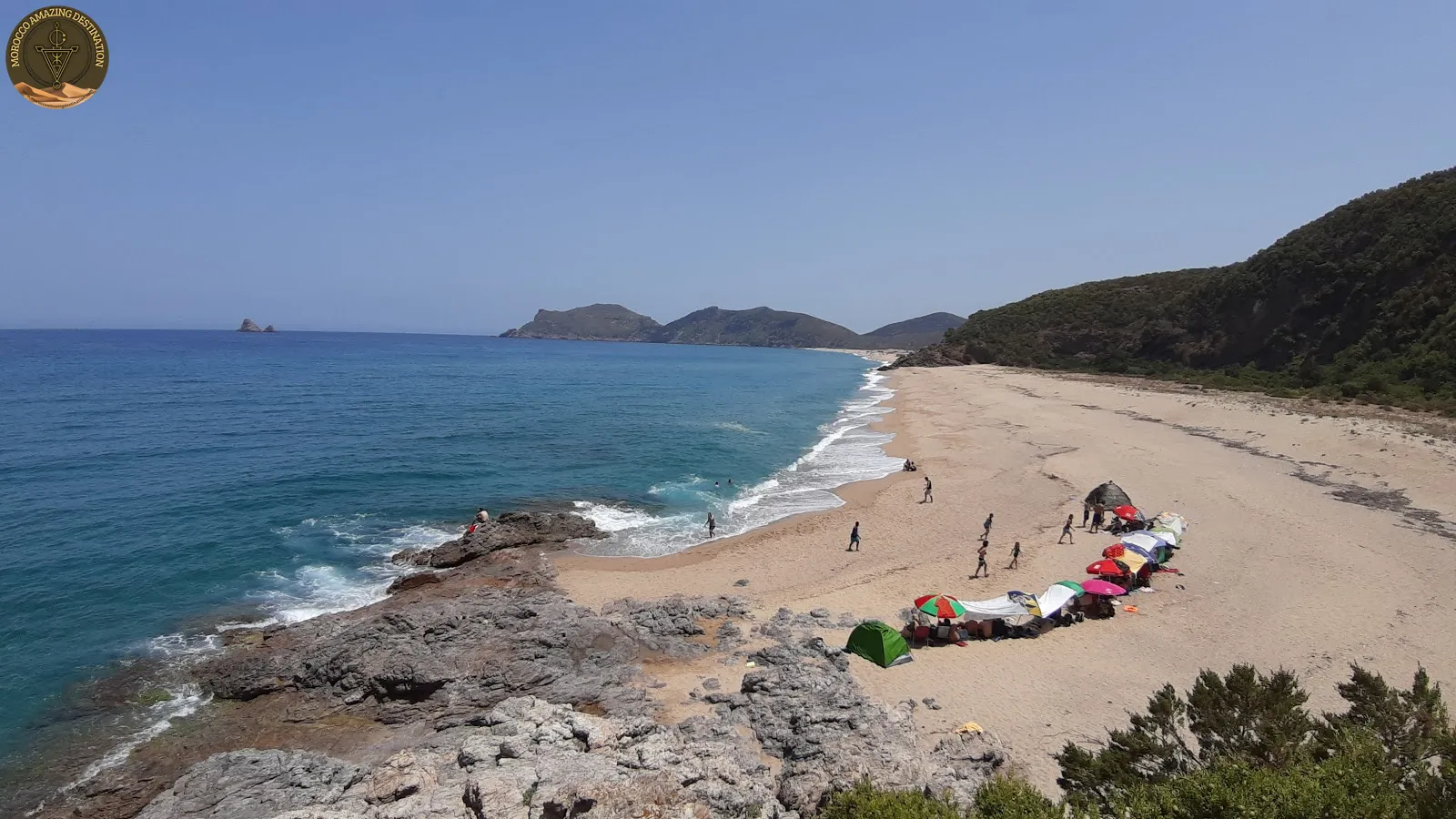
If you rewatch the tense lifeboat standoff and wonder about the coastline behind it, you have probably searched for Captain Phillips filming locations. The thriller follows a merchant captain taken hostage off the Somali coast, with Tom Hanks opposite Barkhad Abdi as pirate leader Muse. So where was Captain Phillips filmed if not off Somalia? The real shoot stretched from the Atlantic coast of Morocco to the open sea off Malta.
In this guide, we will break down every key location — from the Captain Phillips Morocco filming locations on the Agadir coast to the Malta main unit and the stateside Navy bases — and how you can visit the Morocco coast yourself.
Morocco — Agadir & Sidi Bibi as the Somali Coast
Morocco provided the Somali shoreline you see at the start of the film. The production built its pirate fishing village on the flat Atlantic coast near Agadir, with the rural commune of Sidi Bibi named as the precise zone just south of the city. Wide sand, low dunes, and working fishing boats made it a convincing double for an Eyl-like coast.
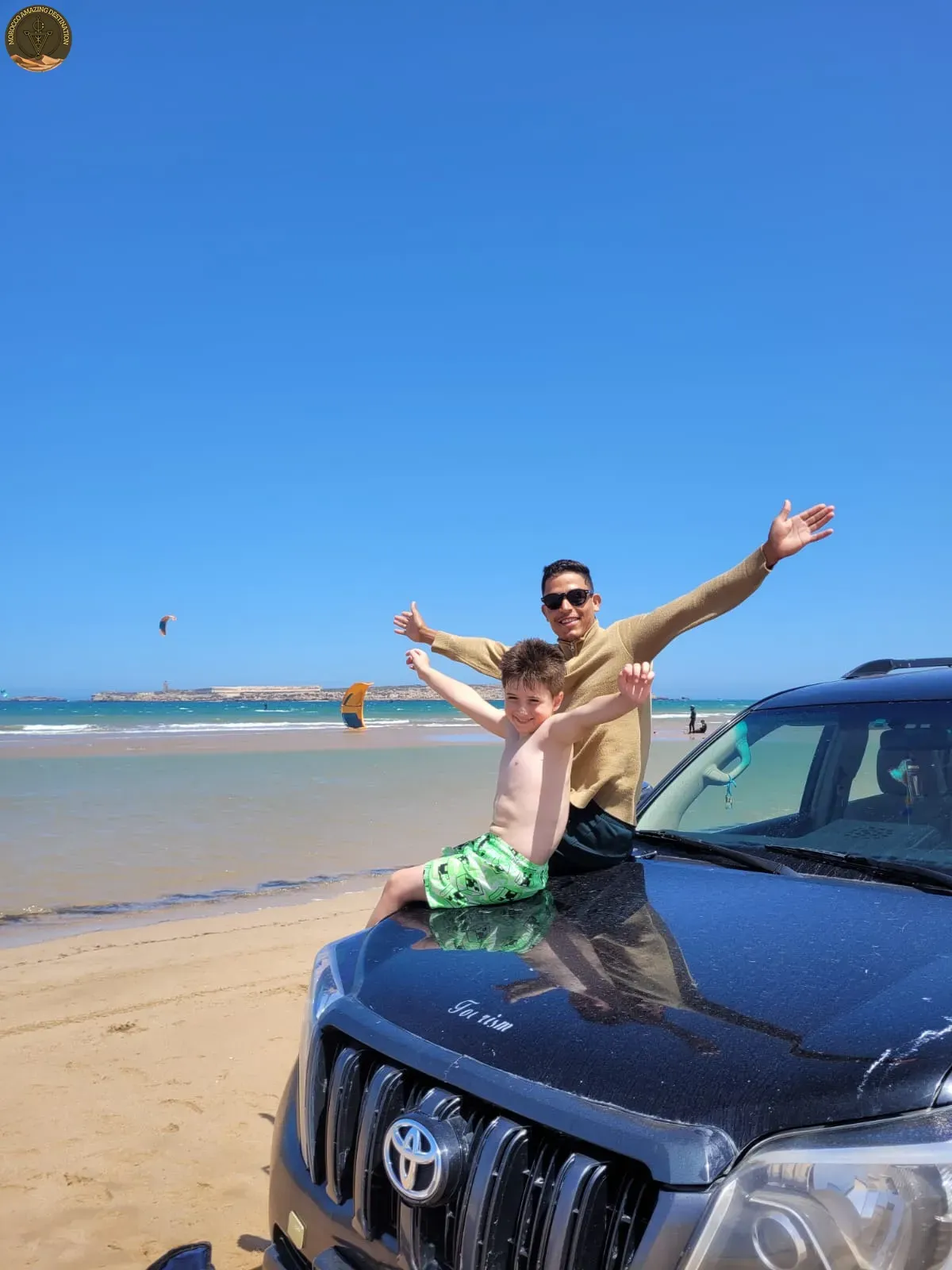
There is no preserved village to ticket today — the coast itself is the location. That is actually good news for travelers. You can drive the same shoreline, walk endless beaches, and feel the film geography without a fenced set. Base in Agadir and you reach Sidi Bibi in a short transfer with a private driver. Local guides know the quiet stretches where crews parked support vehicles and where the light stays soft late into the afternoon.
Key details to recognize:
- What was built: a temporary fishing village on open beach to represent the pirate departure point; removed after filming.
- Why this zone: light Atlantic light, long sandy strand, and space for boats and skiffs to launch on camera.
- How to experience it: stay in Agadir, take a private coastal drive to Sidi Bibi, pair with Souss-Massa dunes and local fish markets.
Malta — The Open-Sea Main Unit
Malta hosted the bulk of the shoot. Rather than rely on tanks, the director insisted on realism at sea. The crew chartered the Alexander Maersk, identical to the hijacked vessel, and filmed for weeks off the island with support from Malta Film Studios.
This Malta stretch covered most of the hijack, boarding, and Navy rescue. Land support came from Malta Freeport Terminals at Marsaxlokk and Boiler Wharf in Grand Harbour at Senglea, while production offices and facilities ran from Kalkara. The approach limited tank work and kept horizons, swell, and light authentic. The choice to shoot at sea gave the hijack its cramped, rolling feel and let the Navy rescue play against a real horizon.
What Malta gave the film:
- Real ship at sea: extended takes aboard a working container ship, not a set piece.
- Professional hub: studios, harbour infrastructure, and marine logistics within short reach.
- Crew base: a central Mediterranean base that could handle a long maritime schedule while staying close to support services.
Other Locations Briefly — Virginia, Massachusetts & UK
The film rounds out its geography beyond Malta and Morocco with stateside and studio work. These spots fill the home-life and Navy-climax threads, not the Somali coast, which is why they get a shorter callout here.
Virginia delivered the Navy climax. The production filmed at Naval Station Norfolk and around Virginia Beach, using USS Truxtun as the stand-in for Bainbridge, with additional Navy vessels representing the wider task force. Massachusetts covered quieter home moments around Boston and nearby towns, while interiors and additional support came from Longcross Studios in the UK. Together they frame the voyage, while Morocco and Malta carry the visual identity of the Indian Ocean.
Quick map:
- Virginia: Norfolk and Virginia Beach for the Bainbridge rescue and vessel work.
- Massachusetts: Boston-area towns for family and pre-voyage scenes.
- UK: Longcross Studios for interiors and logistical support, credited alongside Malta and the two states.
Why Morocco Doubles So Well — Desert, Light & Studios
Once you have seen the Agadir coast double for Somalia, it is easy to understand why filmmakers keep returning to Morocco. The country packs Atlantic beaches, desert dunes, High Atlas passes, and historic kasbahs into short drives, all under a crisp, photogenic light that reads well on camera.
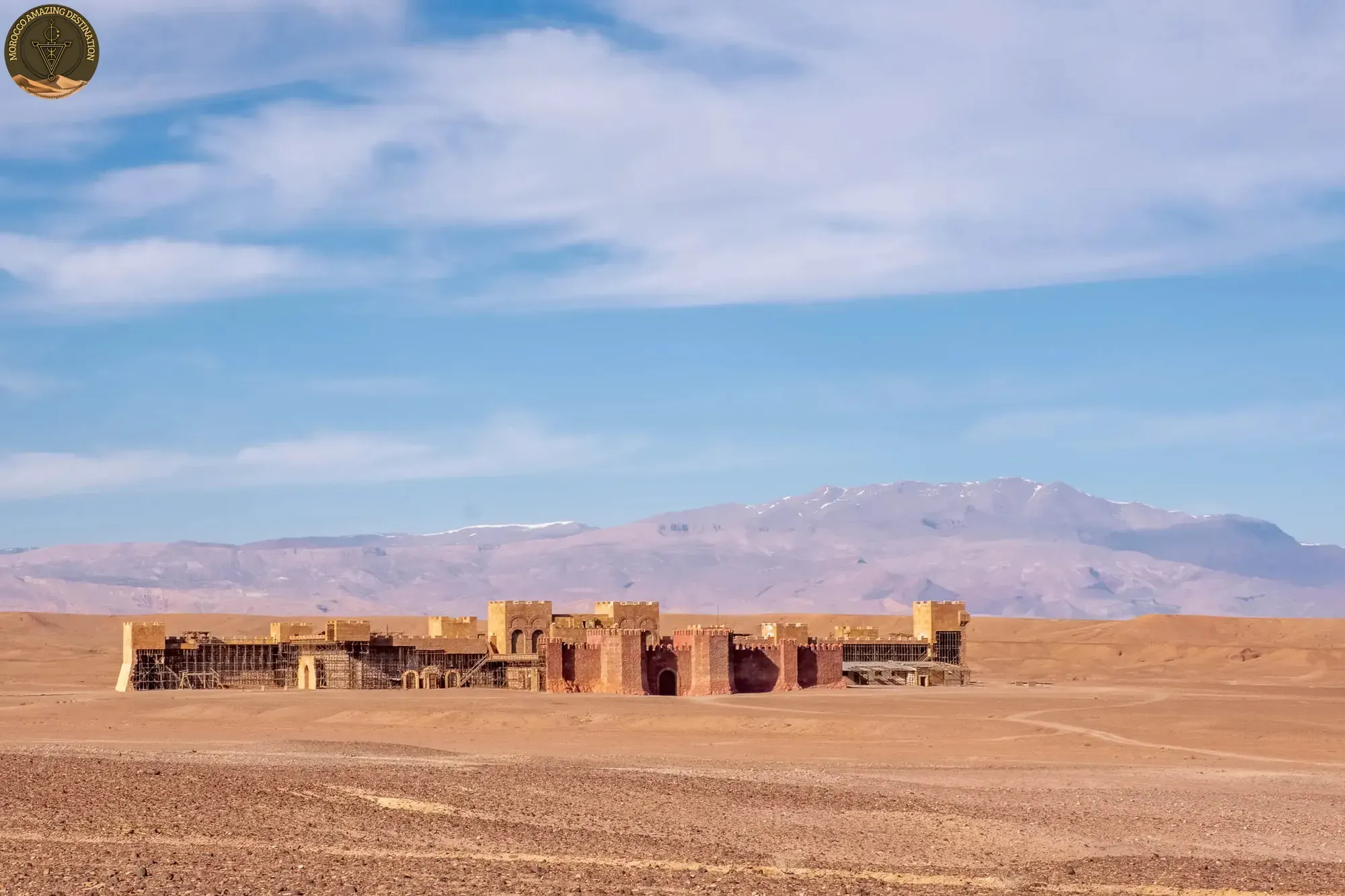
That natural range is backed by professional infrastructure. The corridor from Ouarzazate to the south hosts Atlas Studios and nearby standing sets, plus experienced local crews, drivers, and fixers. That mix lets a single base cover fishing harbours one day and sand dunes the next without long repositioning. The UNESCO World Heritage site of Ait Benhaddou nearby shows how architecture and landscape combine to create convincing stand-ins for many regions.
Why directors choose Morocco:
- Geographic range: coast, desert, and mountains within a single production base.
- Light and space: wide horizons, stable sun, and beaches where you can build and shoot.
- Studio backbone: Ouarzazate studios, equipment, and coastal-to-desert logistics that keep coastal and interior units connected.
Plan Your Film-Locations Trip
You can easily weave the Morocco coast into a relaxed private itinerary. Use Agadir as a base to explore the Sidi Bibi shoreline in the morning, enjoy beach and market time, then head inland toward the studio corridor when you want more film flavor. You get the real Morocco between film stops — argan groves, seaside cafés, and stone kasbahs that photographers love. A private driver keeps transfers smooth and pacing flexible, so you maximize beach light without wasted driving.
For a south-coast to desert arc that starts where the cameras rolled, consider the 7-Day Agadir to Merzouga Desert Tour, which links Agadir and the Souss coast with Ait Benhaddou, Atlas Studios, and the dunes of Erg Chebbi for a full south Morocco loop. To focus on the film hub itself, the 4-Day Guided Morocco Tour Ouarzazate to Marrakech dives into Ouarzazate, kasbahs, and the High Atlas route to Marrakech with that same studio-to-desert logic.
We can customize a tour to match your needs — design your perfect itinerary
If you found this helpful, add us as your preferred source on Google.
Frequently Asked Questions
Where was Captain Phillips filmed?
Captain Phillips was filmed on location in Malta, Morocco, the United Kingdom, Virginia and Massachusetts, with about 60 days at sea aboard the Alexander Maersk off Malta for the main hijack and rescue sequences.
Was Captain Phillips filmed in Morocco?
Yes. Morocco doubled the Somali coast. The fishing village and Eyl-like shoreline were built on the Atlantic coast near Agadir, in the Sidi Bibi zone south of the city. There is no preserved set — the natural beach and dunes are the location.
What part was filmed in Malta?
Malta was the main open-sea unit, hosting 60–75% of the shoot. The crew used Malta Freeport at Marsaxlokk, Grand Harbour at Senglea, and Malta Film Studios in Kalkara, but filmed mostly at sea on a real container ship for authenticity.
Can you visit Captain Phillips filming locations in Morocco?
You can visit the Agadir and Sidi Bibi coastal zone that doubled Somalia, plus the wider southern film corridor through Ouarzazate and Atlas Studios. Base in Agadir with a private driver and combine beach, dunes and film-studio stops.
Ready for an Adventure?
Have questions? Feel free to contact us using the form below. We're here to help!