· Travel · 7 min read
Bringing Medication to Morocco: Customs Rules, Prescription Drugs & Travel Guide
Planning a trip? Learn the essential rules for bringing medication to Morocco, including customs regulations, prescription requirements, and travel health tips.
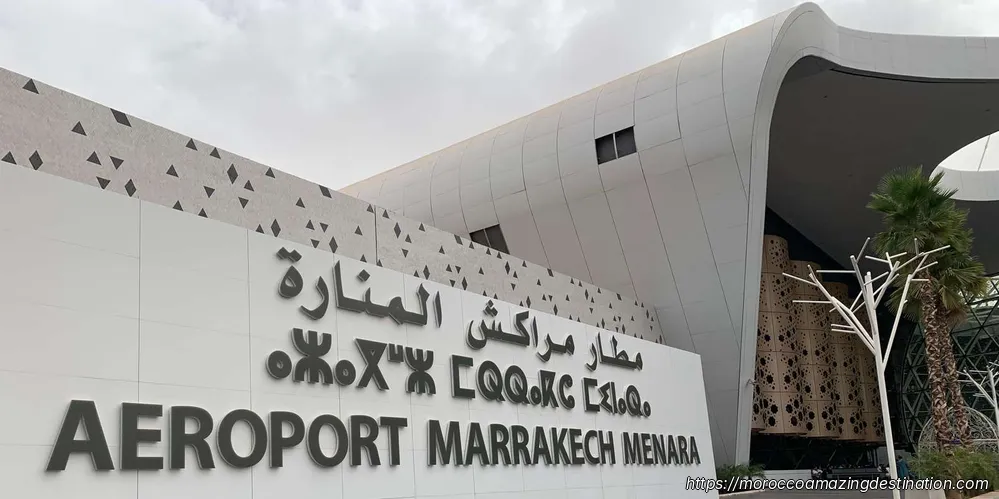
If you are preparing for an unforgettable journey through Morocco, from the bustling souks of Marrakech to the endless dunes of the Sahara, there is one practical detail you cannot afford to overlook: bringing medication to Morocco. Understanding customs rules, prescription regulations, and how to pack your health essentials can make the difference between a smooth arrival and unexpected complications at the border.
Whether you rely on daily prescriptions or simply want to carry a basic first-aid kit, this guide covers everything you need to know about traveling with medication to Morocco.
Morocco Medication Import Rules: What You Need to Know
Morocco allows visitors to bring medication into the country for personal use, but there are clear guidelines you must follow. Moroccan customs officials take drug importation seriously, and failing to comply with the rules can result in confiscation, fines, or even legal trouble.
Key principles for bringing medication to Morocco:
- Personal use only: You may only bring quantities that correspond to the length of your stay. Carrying excessive amounts may raise suspicion.
- Original packaging: All medications must remain in their original containers with pharmacy labels intact.
- Prescription documentation: A valid prescription or doctor’s letter is essential, particularly for controlled or injectable medications.
- Declaration: For large quantities or controlled substances, you may need to declare them upon arrival at Moroccan customs.
Bringing Prescription Medication to Morocco
Doctor’s Letter and Prescription Requirements
The single most important document for anyone bringing prescription medication to Morocco is a doctor’s letter. This letter serves as proof that your medication is legitimate and medically necessary.
Your doctor’s letter should include:
- Your full name as it appears on your passport
- The name of the medication (both brand and generic names)
- The prescribed dosage and frequency
- A brief description of your medical condition
- A statement confirming the medication is for personal use only
- The doctor’s signature, stamp, and contact information
Pro tip: Have your doctor translate this letter into French or English. French is widely understood by Moroccan officials and pharmacists.
What About Over-the-Counter Medications?
Common over-the-counter medications such as paracetamol, ibuprofen, antihistamines, and antacids can be brought into Morocco without special documentation. However, it is still wise to keep them in their original packaging. Many of these are also readily available at pharmacies across Morocco at reasonable prices.
Controlled Substances and Restricted Medications
Morocco has strict laws regarding narcotics and psychotropic substances. Some medications that are commonly prescribed in other countries fall into controlled categories in Morocco and require special attention.
Medications That May Require Prior Authorization
The following types of medications often face additional scrutiny at Moroccan customs:
- Strong painkillers: Medications containing codeine, tramadol, oxycodone, or morphine
- Psychiatric medications: Certain antidepressants, antipsychotics, and anxiolytics
- ADHD medications: Amphetamine-based medications such as Adderall or Ritalin
- Sleep aids: Strong sedatives and benzodiazepines
- Injectable medications: Insulin and other injectables (while generally allowed, they require proper documentation)
If you rely on any of these substances, contact the Moroccan embassy or consulate in your home country well before your departure date. They can advise whether prior authorization from the Moroccan Ministry of Health is required.
What Is Absolutely Banned
- Recreational drugs of any kind — Morocco imposes severe penalties, including imprisonment
- Cannabis products (even if prescribed or legal in your home country)
- Unlabeled or unidentifiable pills and powders
- Medication past its expiration date
How to Pack Medication for Morocco Travel
Packing your medication correctly is just as important as having the right documentation. Follow these practical tips to avoid issues at airport security and Moroccan customs.
Carry-On vs. Checked Luggage
Always pack essential medications in your carry-on luggage. Checked bags can be delayed or lost, and you do not want to be stranded without your prescription drugs. Additionally, temperature fluctuations in the cargo hold can affect certain medications, such as insulin.
Packaging Checklist
- Keep all medications in their original pharmacy containers with labels showing your name, the drug name, dosage, and prescribing doctor
- Bring a written list of all medications with generic names
- Pack enough for your entire trip plus 3–5 extra days to account for travel delays
- If you use a pill organizer for convenience, bring the original packaging alongside it
- For liquid medications over 100 ml, carry your prescription and doctor’s letter to present at security
Temperature-Sensitive Medications
Morocco’s climate can be extremely hot, especially in summer and in desert regions. If you take medications that require refrigeration or temperature control:
- Use a medical-grade cooler bag with ice packs
- At hotels and riads, ask staff to store your medication in a refrigerator
- During desert tours, inform your tour operator in advance so they can help accommodate your needs
What Happens at Moroccan Customs
When you arrive at a Moroccan airport such as Casablanca Mohammed V, Marrakech Menara, or Fes Saïss, you will pass through customs after collecting your luggage. Most travelers pass through without any issues. However, if you are carrying significant quantities of medication, you may be stopped for questioning.
The Customs Process
- Baggage scanning: Customs officers may scan or inspect your luggage at random.
- Questioning: If officers notice medication, they may ask what it is for and request supporting documentation.
- Declaration: For controlled substances, be proactive and declare them. Attempting to hide medication will only create more problems.
Tips for a Smooth Customs Experience
- Keep your doctor’s letter, prescription copies, and medication together in a clear plastic bag for easy access
- Be calm, polite, and cooperative if questioned
- Learn a few words of French or Arabic — a friendly “salam alaikum” can go a long way
- Allow extra time at the airport in case you need to explain your medication to customs officers
Travel Health Tips for Morocco
Beyond medication, keeping healthy during your Morocco adventure requires a bit of preparation.
Pharmacies in Morocco
Morocco has an excellent network of pharmacies (recognizable by their green cross signs) in cities and towns. Pharmacists are well-trained and many speak French and some English. You can purchase most common medications without a prescription, though prices may be higher than what you pay at home.
Recommended Travel Health Precautions
- Travel insurance: Comprehensive travel insurance with medical coverage is strongly recommended for Morocco.
- Hydration: The Moroccan climate can cause dehydration quickly. Always carry bottled water.
- Food safety: Eat at busy local restaurants and avoid tap water. Peel fruits before eating.
- Sun protection: The Moroccan sun is intense year-round. Bring high-SPF sunscreen, a hat, and sunglasses.
- Vaccinations: While no vaccines are mandatory for Morocco, routine vaccinations such as hepatitis A, typhoid, and tetanus are recommended.
What to Do If You Run Out of Medication
If you lose your medication or run out during your trip:
- Visit a local pharmacy and show them your medication list or original packaging
- Many common prescription drugs are available over the counter in Morocco
- For specialized medications, you may need to visit a local doctor for a Moroccan prescription
- Contact your travel insurance provider — they can help locate the nearest suitable medical facility
Explore Morocco with Peace of Mind
Now that you know the essentials of bringing medication to Morocco, you can focus on what really matters: experiencing the magic of this extraordinary country. From the labyrinthine medinas of Fes to the majestic Atlas Mountains and the golden Sahara dunes, Morocco promises memories that will last a lifetime.
Once your health preparations are sorted, why not embark on one of our carefully designed desert tours? Our 3-Day Trip from Marrakech to Merzouga takes you through the breathtaking Tizi n’Tichka pass in the High Atlas, the UNESCO-listed kasbah of Ait Ben Haddou, and deep into the Sahara for a night under a canopy of stars at a traditional desert camp.
If you prefer a more immersive desert experience, our 4-Day Morocco Desert Tour from Marrakech extends the adventure to include the dramatic Dades Valley, the towering Todra Gorge, and an unforgettable camel trek across the shimmering dunes of Erg Chebbi. Travel with confidence knowing that our experienced local guides are always on hand to assist with any health or logistical needs along the way.
If you found this helpful, add us as your preferred source on Google.
Frequently Asked Questions
Can I bring prescription medication to Morocco?
Yes, travelers can bring prescription medication to Morocco for personal use. You must carry it in its original packaging and bring a copy of your prescription or a doctor's letter detailing your medical condition and the medication required.
Do I need a doctor's letter for my medication in Morocco?
A doctor's letter is strongly recommended, especially for controlled substances such as strong painkillers, antidepressants, or injectable medications. The letter should be in English or French and state your name, the medication name, dosage, and that it is for personal use.
Are there any medications banned in Morocco?
Yes. Morocco strictly prohibits narcotics and certain psychotropic substances. Medications containing codeine, morphine, amphetamines, and some benzodiazepines may require prior authorization from the Moroccan Ministry of Health. Always check with the Moroccan embassy before traveling with these substances.
How should I pack medication for my Morocco trip?
Always pack medications in your carry-on luggage in their original containers with clear labels. Bring enough for the duration of your stay plus a few extra days, and carry a written list of all your medications, including generic names, in case you need to visit a local pharmacy.
- bringing-medication-to-morocco
- morocco-customs
- prescription-drugs-travel
- morocco-travel-health
- morocco-travel-tips
Ready for an Adventure?
Have questions? Feel free to contact us using the form below. We're here to help!