· Travel · 9 min read
Animals in Morocco: A Complete Guide to Moroccan Wildlife
Explore Morocco's incredible wildlife, from Barbary macaques in cedar forests to fennec foxes in the Sahara. A complete guide to the animals of Morocco and where to see them.
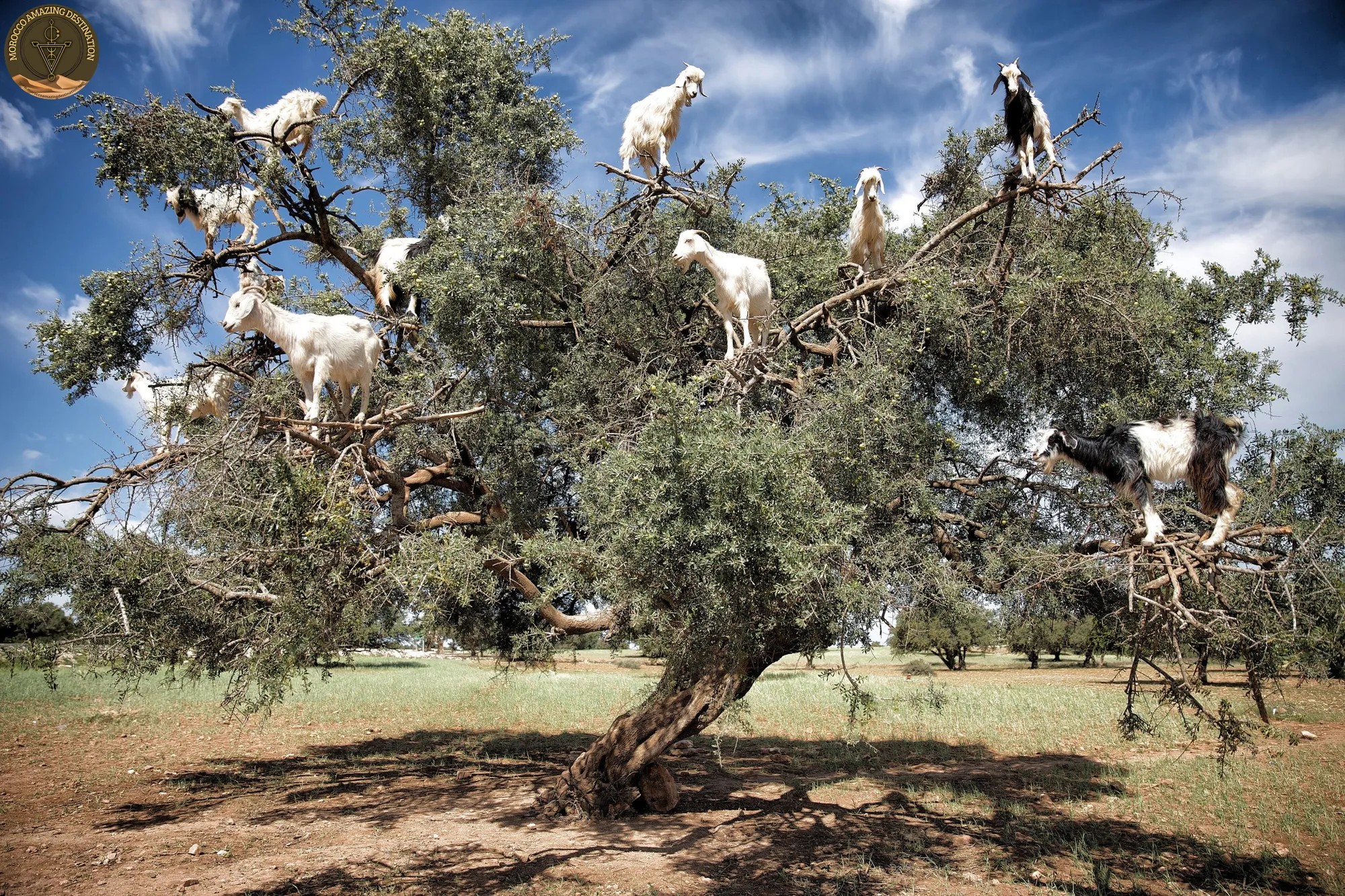
Morocco is a country of astonishing geographical diversity, stretching from the Mediterranean coast through the Atlas Mountains to the vast expanses of the Sahara Desert. This varied landscape creates an extraordinary range of habitats, making Morocco one of the most biodiverse countries in North Africa. The animals in Morocco range from iconic desert species like the dromedary to the endangered Barbary macaque roaming the cedar forests of the Middle Atlas. Whether you are a wildlife enthusiast or a curious traveler, understanding Moroccan wildlife adds a deeper dimension to any visit. This guide explores the most notable creatures you can encounter, where to find them, and how to experience them responsibly.
Mammals of Morocco
Morocco’s mammal diversity is impressive, with over 100 recorded species inhabiting its mountains, forests, deserts, and coastline.
Barbary Macaque
The Barbary macaque (Macaca sylvanus) is perhaps Morocco’s most famous wild animal. Also known as the Barbary ape, it is the only macaque species found outside Asia and one of the few primates living in North Africa. These tailless monkeys inhabit the cedar and oak forests of the Middle Atlas Mountains, particularly around Azrou and Ifrane National Park. The best place to see them is the cedar forest near Azrou, where they are accustomed to visitors. Remember to observe from a distance and never feed them — human food can be harmful to their health.
Fennec Fox
The fennec fox (Vulpes zerda) is the smallest canid in the world and a true icon of the Sahara. With its enormous ears — which help dissipate heat — and sandy-colored coat, this nocturnal hunter is perfectly adapted to desert life. Fennec foxes are found in the sandy regions of southern and southeastern Morocco, particularly in the dunes around Merzouga and Erg Chebbi. They are elusive and primarily active at night, so spotting one in the wild requires patience and luck.
Dorcas Gazelle
The dorcas gazelle (Gazella dorcas) is one of the most graceful animals in Morocco. These slender antelopes inhabit arid and semi-arid regions, including the Sahara fringes and stony plateaus. Their pale fawn coat provides excellent camouflage against the desert landscape. Small populations can be found in protected areas such as Souss-Massa National Park.
Barbary Sheep
The Barbary sheep (Ammotragus lervia), also called aoudad, is a resilient mountain dweller native to the rocky slopes of the Atlas Mountains. With their thick reddish-brown coats and impressive curved horns on males, these animals are expert climbers that navigate steep cliffs with ease. They can be spotted in the High Atlas and Anti-Atlas ranges.
Striped Hyena
The striped hyena (Hyaena hyaena) is a nocturnal scavenger found across North Africa. In Morocco, its range extends through the Atlas Mountains and into more remote desert regions. While sightings are rare due to their nocturnal and solitary nature, they are an important part of Morocco’s ecosystem.
Other Notable Mammals
Other mammals you might encounter include the caracal, a medium-sized wild cat with distinctive tufted ears found in arid regions; the wild boar, common in forested areas of the north; the Cuvier’s gazelle, endemic to the Atlas Mountains; and the African golden wolf, present in various habitats across the country.
Reptiles and Amphibians of Morocco
Morocco is home to a fascinating variety of reptiles and amphibians, many of which have adapted to the country’s harsh desert environments.
Snakes
The Moroccan cobra and the horned viper are among the most notable snake species. The horned viper (Cerastes cerastes) is particularly adapted to desert life, using its sand-colored scales for camouflage and its distinctive sideways movement to traverse loose sand. While most snakes in Morocco are not aggressive, it is wise to be cautious when hiking in rocky or sandy areas.
Lizards and Geckos
Lizards are abundant across Morocco. The spiny-tailed lizard (Uromastyx), locally known as dab, is a large herbivorous lizard found in desert regions. Geckos, including the Moorish gecko, are common in both urban and rural settings, often seen on walls at night hunting insects attracted to lights.
Amphibians
The Moroccan painted frog (Discoglossus scovazzi) and the Berber toad are among the amphibians found in Morocco’s wetlands, rivers, and irrigated agricultural areas. The Oued Massa and other coastal wetlands provide important breeding grounds.
Birds of Morocco
With over 450 recorded species, birds in Morocco are a highlight for ornithologists and casual observers alike. The country’s position at the crossroads of Europe and Africa makes it a crucial stopover for migratory birds.
Flamingos and Waterbirds
Greater flamingos are a spectacular sight in Morocco’s coastal wetlands, particularly at Merja Zerga (Blue Lagoon) near Moulay Bousselham, Khenifiss Lagoon, and the wetlands around Essaouira. White storks are also common, nesting on rooftops and minarets across the country.
Raptors
Morocco’s skies are patrolled by impressive birds of prey, including the Bonelli’s eagle, the golden eagle, and various falcon species. The bearded vulture (lammergeier) can be spotted in the High Atlas, where it soars over mountain peaks.
Migratory Birds
Each spring and autumn, millions of birds pass through Morocco on their journey between Europe and sub-Saharan Africa. Species such as European bee-eaters, swallows, and various warblers make temporary stops in Moroccan forests, wetlands, and oases.
Marine Life
Morocco’s extensive coastline along both the Atlantic Ocean and the Mediterranean Sea provides habitat for rich marine biodiversity.
Dolphins and Whales
Several dolphin species, including common dolphins and bottlenose dolphins, are frequently spotted off the Atlantic coast, particularly between Essaouira and Agadir. Whale watching is possible during migration seasons, with fin whales and sperm whales passing through Moroccan waters. The Strait of Gibraltar is a particularly active marine corridor.
Sea Turtles
Loggerhead turtles and leatherback turtles are among the sea turtle species that feed in Moroccan waters. Some nest on protected beaches along the Mediterranean coast.
Desert Wildlife
The Sahara Desert, while seemingly barren, supports a surprising array of life. Desert animals have evolved remarkable adaptations to survive extreme temperatures and scarce water.
Dromedaries
The dromedary, or one-humped camel, is synonymous with the Sahara. While most dromedaries in Morocco are domesticated and used for trekking and tourism, they remain an integral part of Berber and Bedouin culture. Riding a camel through the Erg Chebbi dunes at sunset is one of Morocco’s quintessential experiences.
Desert Adaptations
Many desert species are nocturnal to avoid the daytime heat. The sand cat, the jerboa (a small desert rodent with long hind legs), and various scorpion species emerge after dark. Reptiles like the desert monitor lizard bask in the morning sun before retreating to burrows during the hottest hours.
Mountain Wildlife
The Atlas Mountains, stretching over 2,500 kilometers across Morocco, are a biodiversity hotspot. Higher elevations harbor species adapted to cooler climates, including the Barbary macaque and Barbary sheep. The snow-capped peaks of the High Atlas, including Jebel Toubkal — North Africa’s highest mountain at 4,167 meters — support alpine plant communities and the wildlife that depends on them.
Where to See Animals in Morocco
If you are wondering where to see animals in Morocco, here are the best locations:
National Parks and Protected Areas
- Souss-Massa National Park: One of Morocco’s premier wildlife destinations, home to the northern bald ibis, dorcas gazelles, and numerous bird species. Located south of Agadir along the Atlantic coast.
- Ifrane National Park: The best place to see Barbary macaques in their natural habitat within the Middle Atlas cedar forests. Also home to wild boar and numerous bird species.
- Toubkal National Park: In the High Atlas, this park offers opportunities to see Barbary sheep, golden eagles, and high-altitude bird species.
- Merja Zerga Biological Reserve: A coastal lagoon and Ramsar wetland site north of Rabat, famous for its flamingo populations and migratory birds.
- Dakhla Peninsula: Located in the Western Sahara, this area is excellent for spotting marine life, migratory birds, and desert-adapted species.
Key Wildlife Locations
- Azrou Cedar Forest: The most accessible location to observe Barbary macaques in the wild. These monkeys are accustomed to visitors and can be seen along the roads through the forest.
- Ouzoud Waterfalls: These stunning falls near Azilal are not only one of Morocco’s most beautiful natural attractions but also a place where Barbary macaques gather.
- Erg Chebbi and Erg Chegaga: The great sand dunes of the Sahara are home to fennec foxes, desert reptiles, and various bird species. Night excursions offer the best chance of spotting nocturnal wildlife.
- Oued Massa estuary: A key site for birdwatching, especially during migration periods.
Conservation and Responsible Wildlife Tourism
Morocco has made significant strides in wildlife conservation. Several endangered species benefit from dedicated protection programs:
- The northern bald ibis, once on the brink of extinction, now has a stable breeding population in Souss-Massa National Park thanks to conservation efforts.
- The Barbary macaque is protected by law, and feeding wild monkeys is prohibited — though enforcement remains a challenge.
- Desert ecosystems are increasingly recognized as valuable natural heritage, with ecotourism initiatives supporting local conservation.
Tips for Responsible Wildlife Viewing
- Observe animals from a safe and respectful distance.
- Never feed wild animals. Human food can cause health problems and alter natural behaviors.
- Do not disturb nests, burrows, or breeding sites.
- Choose tour operators that prioritize animal welfare and environmental sustainability.
- Avoid attractions that involve captive wild animals performing for tourists.
Conclusion
The animals of Morocco are as diverse and captivating as the country itself. From the Barbary macaques swinging through cedar branches to the fennec foxes prowling the Saharan dunes, Moroccan wildlife offers unforgettable encounters for those willing to look beyond the souks and medinas. Whether you are birdwatching in a coastal wetland, trekking through the High Atlas in search of Barbary sheep, or simply enjoying a camel ride at sunset, Morocco’s natural world is waiting to be discovered. With responsible tourism and continued conservation efforts, these remarkable species will continue to thrive for generations to come.
Discover Morocco’s Wildlife on an Unforgettable Tour
The best way to experience Morocco’s diverse fauna is through a well-planned tour that takes you to the country’s prime wildlife locations. Our 6 Days Desert Tour From Fes To Marrakech includes a stop at the Azrou cedar forest, where you can observe wild Barbary macaques in their natural habitat, and takes you through the stunning landscapes of the Middle Atlas and Sahara Desert, home to fennec foxes, desert lizards, and migratory birds.
For a more comprehensive exploration, our 10 Days in Morocco: The Ultimate Private Tour from Marrakech to the Sahara combines wildlife encounters with Morocco’s cultural highlights. Visit the Ouzoud Waterfalls, where Barbary macaques gather near the cascading waters, explore the dramatic Todra Gorges — one of Morocco’s most stunning natural areas — and experience camel trekking through the golden dunes of Erg Chebbi.
If you found this helpful, add us as your preferred source on Google.
Frequently Asked Questions
What animals can I see in Morocco?
Morocco is home to a diverse range of wildlife including Barbary macaques, fennec foxes, dorcas gazelles, Barbary sheep, striped hyenas, dromedaries, flamingos, white storks, and over 450 bird species. Marine life such as dolphins and sea turtles can also be spotted along the Atlantic coast.
Where is the best place to see Barbary macaques in Morocco?
The best and most accessible place to see wild Barbary macaques is the cedar forest near Azrou in the Middle Atlas Mountains. Ifrane National Park and the Ouzoud Waterfalls are also excellent locations where these monkeys can be observed in their natural habitat.
Are there dangerous animals in Morocco?
Most wildlife in Morocco is not dangerous to humans. Venomous snakes like the horned viper exist but encounters are rare and they generally avoid people. Scorpions are present in desert regions, so it is wise to shake out shoes and avoid walking barefoot. As with any wildlife, observe from a respectful distance.
When is the best time for wildlife watching in Morocco?
Spring (March to May) and autumn (September to November) are the best seasons for birdwatching, as millions of migratory birds pass through Morocco. Mammals can be observed year-round but are most active during the cooler hours of dawn and dusk. Desert species are typically nocturnal and best spotted on guided night excursions.
Ready for an Adventure?
Have questions? Feel free to contact us using the form below. We're here to help!